
“`html

The Racist Beginnings of Standardized Testing

The history of standardized testing in the United States is steeped in controversy and criticism, particularly regarding its impact on students of color. From their inception over a century ago, these tests have been criticized as instruments of systemic racism and bias. As noted by the National Education Association, standardized tests have historically marginalized students of color, particularly those from low-income families.

Standardized testing

Notably, educational researchers like Ibram X. Kendi have been vocal about the inherent biases in these assessments. Kendi, a prominent figure at the Antiracist Research & Policy Center, argues that standardized tests have been used as tools to degrade Black and Brown minds, excluding them from prestigious educational opportunities.

Historical Context

The origins of these tests can be traced back to the early 20th century, when figures like psychologist and eugenicist Carl Brigham played pivotal roles in their development. Brigham, who was instrumental in the creation of the SAT, believed in the superiority of certain races, a belief that influenced the design and implementation of these tests.

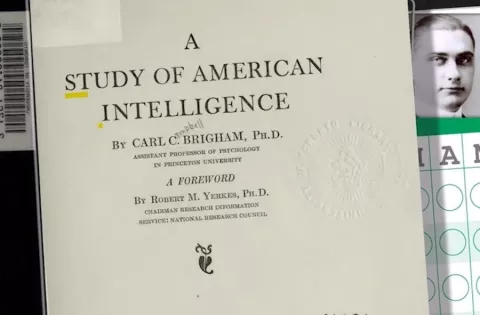
Carl brigham's book
Shortly after the publication of “A Study of American Intelligence” in 1923, the College Board commissioned Carl Brigham to lead development of the SAT.

As the U.S. absorbed millions of immigrants, standardized tests were used to segregate and categorize students, often to their detriment. These biases have had lasting effects, contributing to educational disparities that persist today.

Modern Implications

Today, there is a growing movement to resist the overuse and misuse of standardized testing. Critics argue that these tests fail to accurately measure student learning and often exacerbate educational inequalities. Instead, there is a push for more authentic assessment methods that reflect a broader range of student skills and learning.

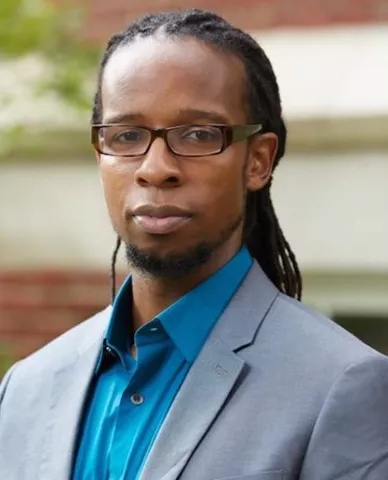
Ibram x. Kendi
“The tests have failed time and again to achieve their intended purposes: measuring intelligence and predicting future academic and professional success. The tests, not the black test-takers, have been underachieving.” – Ibram X. Kendi

Efforts to reform these assessment systems are gaining traction, with educators and civil rights organizations advocating for changes that do not perpetuate racial and economic inequalities. As the National Education Association emphasizes, the focus should be on promoting assessments that support the academic, social, and emotional needs of students.

For further reading on this topic, consider exploring additional resources from Teachers College Press, The Atlantic, and Harvard Civil Rights-Civil Liberties Law Review.

“`

More Articles

Getting licensed or staying ahead in your career can be a journey—but it doesn’t have to be overwhelming. Grab your favorite coffee or tea, take a moment to relax, and browse through our articles. Whether you’re just starting out or renewing your expertise, we’ve got tips, insights, and advice to keep you moving forward. Here’s to your success—one sip and one step at a time!

Top Five Online Real Estate Schools in California for 2025

In the ever-evolving landscape of real estate education, aspiring agents in California have a plethora of options to kickstart their careers.

The Hidden Benefits of Working with Pre-Licensed Therapists

Pre-licensed therapists are equipped with modern educational practices and are often fueled by a passion for learning.

Top 5 Online Real Estate Schools in Florida for 2025

The CE Shop emerges as the top pick, celebrated for its intuitive user dashboard and a 5-day free trial. Their offerings include a pass guarantee and the Exam Prep Edge with top-tier packages.

The Future of AI: Transformative Growth and Its Impact Across Industries

AI stands out as both a beacon of innovation and a harbinger of change. With a compound annual growth rate (CAGR) of 35.9%, the sector is poised to reshape industries across the globe. From autonomous vehicles to smart home devices, AI is weaving itself into the fabric of daily life.

Exploring Cruise Passengers’ Perceptions of Value for Money

In a comprehensive study published in Nature, researchers delve into the intricacies of what determines the perceived value for money among cruise passengers. This exploration is crucial as it directly impacts cruisers' decisions when choosing their next voyage.