The history of standardized testing in the United States is steeped in controversy and criticism, particularly regarding its impact on students of color. From their inception over a century ago, these tests have been criticized as instruments of systemic racism and bias. As noted by the National Education Association, standardized tests have historically marginalized students of color, particularly those from low-income families.
Notably, educational researchers like Ibram X. Kendi have been vocal about the inherent biases in these assessments. Kendi, a prominent figure at the Antiracist Research & Policy Center, argues that standardized tests have been used as tools to degrade Black and Brown minds, excluding them from prestigious educational opportunities.
Historical Context
The origins of these tests can be traced back to the early 20th century, when figures like psychologist and eugenicist Carl Brigham played pivotal roles in their development. Brigham, who was instrumental in the creation of the SAT, believed in the superiority of certain races, a belief that influenced the design and implementation of these tests.
Shortly after the publication of “A Study of American Intelligence” in 1923, the College Board commissioned Carl Brigham to lead development of the SAT.
As the U.S. absorbed millions of immigrants, standardized tests were used to segregate and categorize students, often to their detriment. These biases have had lasting effects, contributing to educational disparities that persist today.
Modern Implications
Today, there is a growing movement to resist the overuse and misuse of standardized testing. Critics argue that these tests fail to accurately measure student learning and often exacerbate educational inequalities. Instead, there is a push for more authentic assessment methods that reflect a broader range of student skills and learning.
“The tests have failed time and again to achieve their intended purposes: measuring intelligence and predicting future academic and professional success. The tests, not the black test-takers, have been underachieving.” – Ibram X. Kendi
Efforts to reform these assessment systems are gaining traction, with educators and civil rights organizations advocating for changes that do not perpetuate racial and economic inequalities. As the National Education Association emphasizes, the focus should be on promoting assessments that support the academic, social, and emotional needs of students.
Getting licensed or staying ahead in your career can be a journey—but it doesn’t have to be overwhelming. Grab your favorite coffee or tea, take a moment to relax, and browse through our articles. Whether you’re just starting out or renewing your expertise, we’ve got tips, insights, and advice to keep you moving forward. Here’s to your success—one sip and one step at a time!
The real estate industry is on the brink of a transformation, driven by the integration of the Internet of Things (IoT). This technological advancement is reshaping how buildings operate and enhancing tenant experiences across the globe.
"This framework postulates New Orleans as already living in the future," said Patterson during the exhibition's opening. Lash added, "We want to show New Orleans as a gift and as a scout." The exhibition, featuring 51 artists across 21 venues, highlights how contemporary art can serve as an engine of coping, rather than mere recovery.
As the dust settles on the recent Republican victory in the U.S. presidential election, the tax landscape is poised for significant changes with President-elect Donald Trump set to return to the White House.
As we step into 2025, the multifamily housing sector is projected to experience modest growth. Yardi Matrix anticipates a 1.5% increase in rents, driven by positive economic conditions and stable industry fundamentals, particularly in the Northeast and Midwest regions. However, the rent growth forecasts vary across different markets.
Recent surveys have shed light on the preferences and priorities of renters in 2024, emphasizing the dominance of digital marketing and the importance of community inclusiveness.
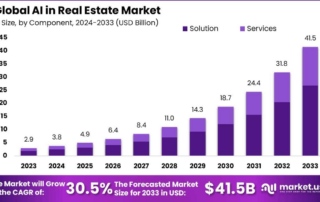
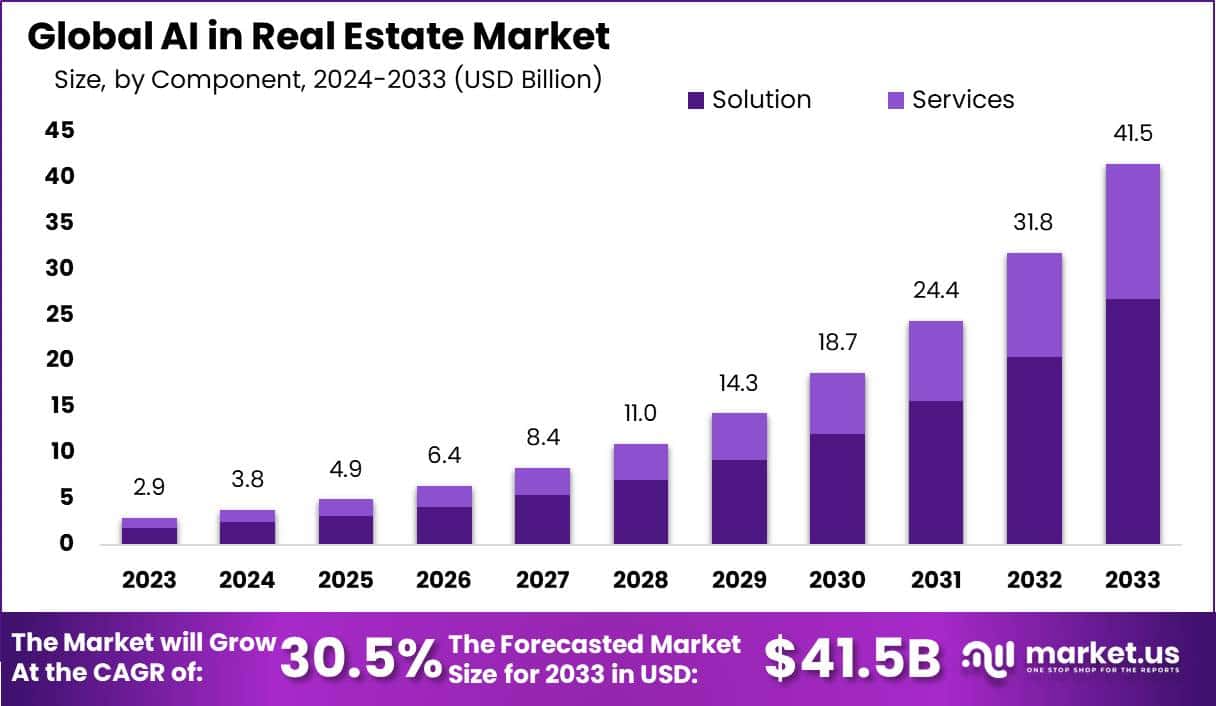
The real estate industry is on the brink of a technological transformation, with Artificial Intelligence (AI) playing a pivotal role. According to a recent report by Market.us, the AI in real estate market is projected to surge from USD 2.9 Billion in 2023 to a staggering USD 41.5 Billion by 2033, growing at an impressive CAGR of 30.5%.