The history of standardized testing in the United States is steeped in controversy and criticism, particularly regarding its impact on students of color. From their inception over a century ago, these tests have been criticized as instruments of systemic racism and bias. As noted by the National Education Association, standardized tests have historically marginalized students of color, particularly those from low-income families.
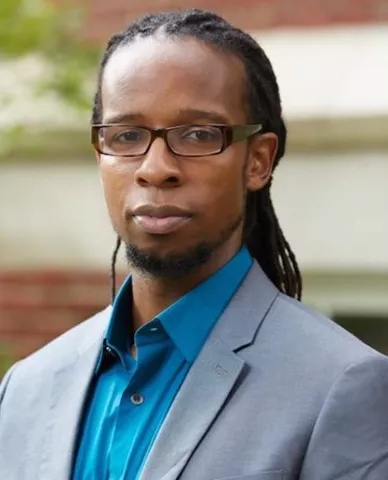
Notably, educational researchers like Ibram X. Kendi have been vocal about the inherent biases in these assessments. Kendi, a prominent figure at the Antiracist Research & Policy Center, argues that standardized tests have been used as tools to degrade Black and Brown minds, excluding them from prestigious educational opportunities.
Historical Context
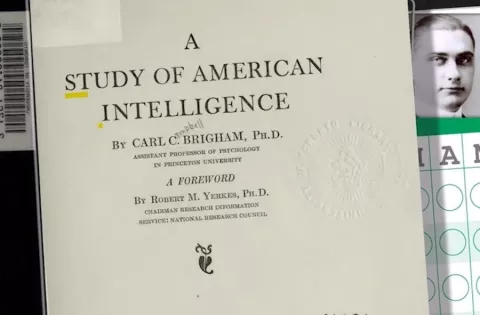
The origins of these tests can be traced back to the early 20th century, when figures like psychologist and eugenicist Carl Brigham played pivotal roles in their development. Brigham, who was instrumental in the creation of the SAT, believed in the superiority of certain races, a belief that influenced the design and implementation of these tests.
Shortly after the publication of “A Study of American Intelligence” in 1923, the College Board commissioned Carl Brigham to lead development of the SAT.
As the U.S. absorbed millions of immigrants, standardized tests were used to segregate and categorize students, often to their detriment. These biases have had lasting effects, contributing to educational disparities that persist today.
Modern Implications
Today, there is a growing movement to resist the overuse and misuse of standardized testing. Critics argue that these tests fail to accurately measure student learning and often exacerbate educational inequalities. Instead, there is a push for more authentic assessment methods that reflect a broader range of student skills and learning.
“The tests have failed time and again to achieve their intended purposes: measuring intelligence and predicting future academic and professional success. The tests, not the black test-takers, have been underachieving.” – Ibram X. Kendi
Efforts to reform these assessment systems are gaining traction, with educators and civil rights organizations advocating for changes that do not perpetuate racial and economic inequalities. As the National Education Association emphasizes, the focus should be on promoting assessments that support the academic, social, and emotional needs of students.
Getting licensed or staying ahead in your career can be a journey—but it doesn’t have to be overwhelming. Grab your favorite coffee or tea, take a moment to relax, and browse through our articles. Whether you’re just starting out or renewing your expertise, we’ve got tips, insights, and advice to keep you moving forward. Here’s to your success—one sip and one step at a time!
Artificial intelligence has shifted from a novelty to a defining force in real estate, transforming everything from listing creation to virtual staging while raising new legal and ethical risks. As AI adoption accelerates, experts warn that the agents who embrace automation and new tools now will gain a major competitive edge, while those who delay could fall behind in a rapidly evolving industry.
As AI and automation reshape the workforce, one form of career protection remains as powerful as ever: earning a state license. From real estate to trades to finance, licensed professionals stay in high demand because their work requires proven competence, accountability and human judgment—qualities technology can enhance but never replace. With trade enrollment surging, investor interest growing and licensing on the rise across the country, credentials have become a reliable path to stability, mobility and long-term earning potential.
A new wave of AI platforms is redefining how real estate agents identify buyer intent, spark conversations, and nurture relationships. From conversational home search engines to predictive opportunity alerts and relationship‑intelligence systems, these tools are helping agents connect sooner and smarter—reshaping daily workflows as the 2026 market approaches.
Texas money is riding hard into San Francisco, snapping up distressed downtown buildings at prices not seen in decades. From Union Square to California Street, major players like Lone Star Funds are betting big on the city’s rebound, signaling that the market may have finally hit bottom and that a new wave of opportunity is taking shape for savvy real estate professionals nationwide.
The 2025 holiday season is expected to break the $1 trillion sales mark, but economists say the milestone masks deeper consumer caution, income‑driven spending gaps, and weakening unit sales. Urban Land Magazine’s latest analysis shows how these mixed signals are shaping a selective, uneven landscape for U.S. commercial real estate heading into 2026—where strong locations thrive, weaker assets struggle, and affluent shoppers continue to dictate market performance.
As 2025 ends, the housing market is inching toward balance with slower price growth, rising inventory, and steadier mortgage rates. Experts predict modest 1% to 2% home‑price growth in 2026—not a crash, but a calmer, more predictable market shaped by regional differences. With the Fed easing rates and inventory climbing in key cities, 2026 may become the most buyer‑friendly year in recent memory, especially for those prepared to act when the right home appears.