The Racist Beginnings of Standardized Testing

As the nation grapples with the legacy of standardized testing, a stark reality is coming to light—the tests that have long been a staple of the American educational system are rooted in a history of racial bias. According to a report by the National Education Association (NEA), these tests have disproportionately affected students of color, particularly those from low-income families.
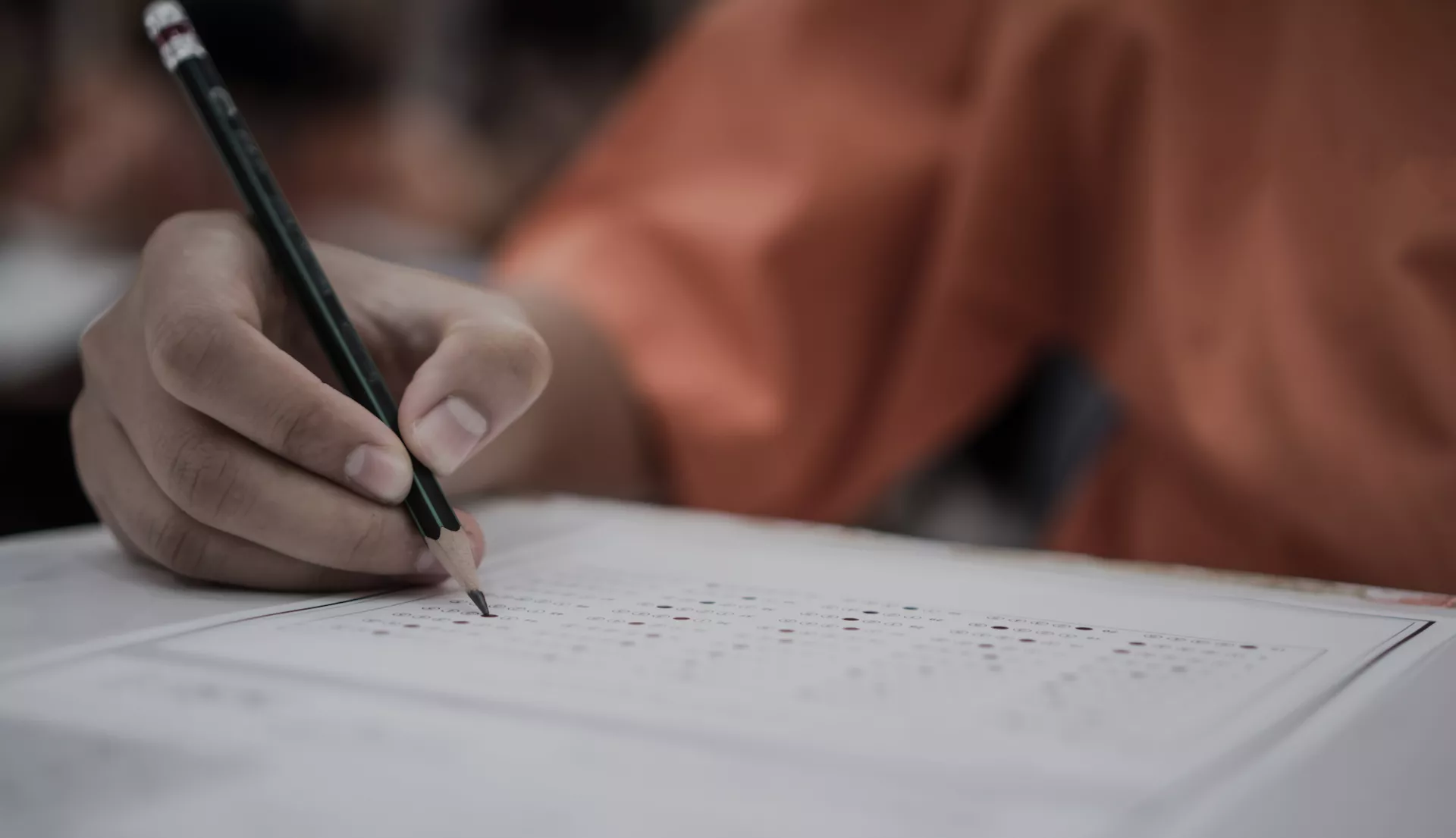
Standardized testing image
The origins of standardized testing in the United States are intertwined with the eugenics movement, which sought to use these assessments as a means to prove the superiority of certain racial groups. As highlighted by Ibram X. Kendi of the Antiracist Research & Policy Center, these tests were designed to “objectively degrade Black and Brown minds” and exclude them from prestigious educational institutions.
Despite their widespread use, standardized tests have been criticized for failing to provide accurate and reliable measures of student learning. Critics argue that they perpetuate racial and economic inequalities, as evidenced by the lower scores typically achieved by students of color. This has led to a growing movement advocating for more authentic assessment methods that better reflect a student’s abilities and potential.

Historical Context and Modern Implications

The development of the SAT and other standardized tests was influenced by figures like Carl Brigham, a psychologist and eugenicist who believed in the superiority of the “Nordic race group.” His work laid the foundation for the tests that are now entrenched in the U.S. educational system.
Today, there is a call to action from educators and civil rights organizations to resist the overuse of standardized testing and to promote assessment tools that do not replicate racial and economic inequalities. As Young Wan Choi of the Oakland Unified School District explains, the focus should be on creating assessments that truly measure a student’s capabilities, without the biases inherent in traditional testing methods.
The NEA’s article underscores the need for a shift in educational assessment practices, advocating for systems that support the academic, social, and emotional needs of all students. As the conversation continues, the hope is that future assessments will be more equitable and reflective of each student’s unique strengths.


More Articles

Getting licensed or staying ahead in your career can be a journey—but it doesn’t have to be overwhelming. Grab your favorite coffee or tea, take a moment to relax, and browse through our articles. Whether you’re just starting out or renewing your expertise, we’ve got tips, insights, and advice to keep you moving forward. Here’s to your success—one sip and one step at a time!

Florida Real Estate Pre-License Class Starting April 13, 2026 – Only 9 Seats Left | Cameron Academy Orlando

Cameron Academy's state-approved 63-hour Florida Real Estate Sales Associate Pre-License Course begins April 13, 2026 at the Dr. Phillips campus in Orlando. Attend in person or join live via Zoom. Morning schedule, expert instruction, and only 14 seats remaining. Enroll now before this class fills up.

How to Pass the Florida Real Estate Exam on Your First Try (From People Who Did It – With Videos)

The Florida real estate licensing exam is the single biggest gatekeeper between you and a career in one of the nation's most active real estate markets. And the numbers don't sugarcoat it: roughly half of all first-time test-takers in Florida walk out without a passing score. According to data compiled by Colibri Real Estate, Florida's first-time pass rate sits at approximately 51%, with about 41,900 candidates taking the exam each year.

By |March 20, 2026|Categories: Article, Cameron Academy Post|0 Comments

Part-Time vs. Full-Time: Can You Get Your Real Estate License While Working a 9-to-5?

Part-Time vs. Full-Time: Can You Get Your Real Estate License While Working a 9‑to‑5? The honest, data-backed guide to earning your license around a day #ReadMore

By |March 19, 2026|Categories: Article, Cameron Academy Post|0 Comments

Realtor Advocacy Secures Major Wins in Florida’s 2026 Legislative Session

Florida’s 2026 legislative session brought significant victories for real estate professionals, with Realtor advocacy preserving key regulatory structures, strengthening property rights, improving major housing programs, and protecting agents from new liabilities. From blocking the dismantling of the Florida Real Estate Commission to advancing bills that support safer, more transparent transactions, these wins shape a more stable future for Florida agents, brokers, and consumers.

AI Listing Photos Are Becoming Too Real — And Too Misleading

AI‑enhanced listing images are transforming real estate marketing, but they’re also creating a growing trust problem. Tools that once simply brightened rooms can now erase damage, add furniture, or even generate entirely new scenes, fueling a trend known as “housefishing.” As complaints rise and states like California introduce disclosure laws, the industry is being forced to confront a new reality: the more perfect the photos get, the more renters and buyers crave authenticity.

Hurricane Milton Supplemental Claim Deadline Approaches for Florida Homeowners

Florida homeowners hit by Hurricane Milton face an important April 9 deadline to file or reopen supplemental insurance claims. With more than 385,000 claims and over 5.6 billion dollars in losses already reported, experts warn that waiting until construction is completed could leave families without the additional funds they’re owed. An 18‑month window applies to supplemental claims, and missing it could cause insurance companies to deny further reimbursement.