The Hidden Costs of Homeownership Are Surging — Here’s What Zillow Just Revealed
Suburban neighborhood aerial view

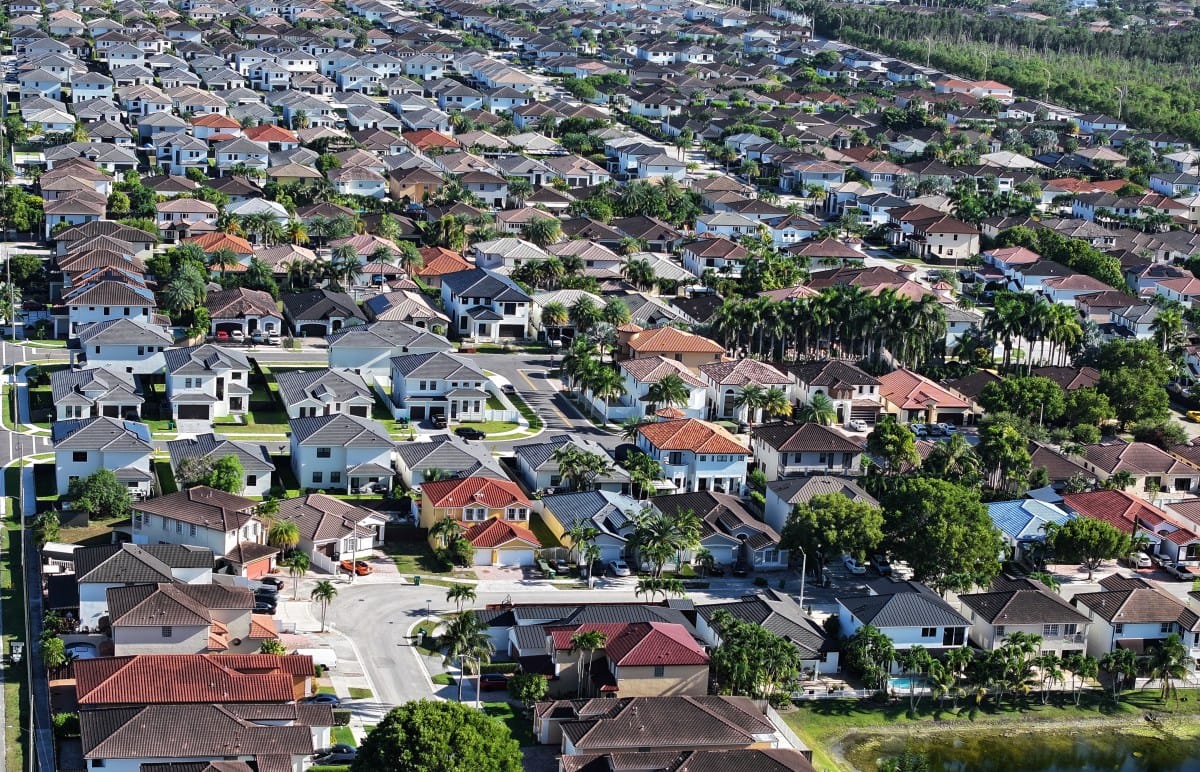
Homeownership in America is becoming more expensive than many buyers ever expect — and Zillow’s newest analysis finally puts numbers behind the growing concern. According to Zillow and Thumbtack, the hidden costs of taxes, insurance, and maintenance have now climbed to an average of $15,979 per year, or about $1,332 per month.

This marks a major leap from $14,155 in 2023 and just $9,080 in 2017. With affordability stretched razor‑thin, these rising costs are reshaping expectations — and in many cities, slowing the housing market altogether.

Why This Matters Right Now

Americans are already battling record-high home prices and elevated mortgage rates. Add nearly $16,000 in annual “extras,” and it becomes clear why turnover has fallen to a 30‑year low. More metro areas are shifting toward buyers’ markets, yet affordability remains one of the greatest obstacles for first‑time purchasers.

What’s Driving These Rising Costs?

Zillow reports that most hidden costs stem from maintenance, totaling an average of $10,946 per year. Property taxes add another $3,030, and homeowner’s insurance now averages $2,003.

Prices escalate even more dramatically in high‑cost coastal markets. Homeowners spend $24,381 in New York City, $22,781 in San Francisco, and $21,320 in Boston.

Florida’s Unique Insurance Crisis

Florida homeowners continue to face some of the nation’s steepest insurance increases.

  • Miami premiums average $4,607 — a 72% increase since 2020
  • Jacksonville premiums have likewise jumped 72%
  • Tampa premiums are up 69%
  • Orlando premiums are up 68%

Extreme weather events and an ongoing insurer pullout are reshaping the insurance landscape, directly impacting affordability for both new buyers and long‑time residents.

What Experts Are Saying

“Home maintenance is often one of the most overlooked parts of owning a home… Spending a little each season helps spread out costs and keeps your home prepared for whatever the weather brings.” — Morgan Olsen, Thumbtack Home Expert
“Insurance costs are rising nearly twice as fast as homeowner incomes. It’s not just a budget line item — it’s a barrier to entry for aspiring first-time buyers.” — Kara Ng, Senior Economist, Zillow

So What Happens Next?

Zillow recommends that buyers use affordability tools, plan early for maintenance, and consider new construction or lower-upkeep options such as condos or townhomes. For many families, understanding these hidden costs early can mean the difference between financial comfort and long‑term strain.

For Real Estate Professionals

Understanding the full picture of ownership costs is becoming essential in today’s market. Whether you’re guiding buyers or advancing your own expertise, education is one of the most powerful investments you can make.

Cameron Academy proudly supports both new and experienced Florida real estate professionals with licensing programs and continuing education designed for today’s rapidly evolving housing landscape.

Source: Newsweek

More Articles

Getting licensed or staying ahead in your career can be a journey—but it doesn’t have to be overwhelming. Grab your favorite coffee or tea, take a moment to relax, and browse through our articles. Whether you’re just starting out or renewing your expertise, we’ve got tips, insights, and advice to keep you moving forward. Here’s to your success—one sip and one step at a time!

AI, Trust, and the Future of Real Estate: Key Insights from eXp’s Global Perspective

The debut episode of NAR’s Change Agents podcast highlights why real estate expertise is more valuable than ever in an AI-driven world. eXp Realty CEO Leo Pareja explains that while technology accelerates communication and connections, consumers still rely on seasoned professionals to guide them through life’s biggest financial decisions. From the Everest analogy to real-world AI success stories, the conversation reveals how trust, transparency, and expert guidance remain the core of the real estate experience.

Mortgage Rates Drop Below 6% for the First Time Since 2022

U.S. 30‑year mortgage rates have dipped to 5.98%, breaking below 6% for the first time since 2022. This third consecutive weekly decline signals a potentially energized spring buying season as lower Treasury yields and easing market anxiety push rates down. Buyers, sellers, and real estate professionals may see renewed activity as affordability slightly improves and refinancing picks up momentum.

FinCEN’s New Rule Shakes Up Residential Real Estate Transparency

A sweeping federal reporting requirement is about to impact how companies, trusts, investors, and even cash buyers purchase residential real estate. FinCEN’s new rule closes long‑standing loopholes that allowed anonymous all‑cash property deals, requiring many entity-based buyers to disclose their true beneficial owners. Real estate agents, brokers, and advisors should brace for workflow changes and increased compliance responsibilities, while investors are urged to review their acquisition structures now to avoid delays once the rule takes effect.

How the Iran Crisis Is Driving Mortgage Rates Back Up and Disrupting Spring Housing Momentum

After briefly dipping below 6 percent for the first time in years, mortgage rates have surged again following U.S.-Israeli military strikes on Iran. Rising oil prices and a jump in Treasury yields have pushed the average 30-year fixed rate back to 6.12 percent, creating fresh uncertainty just as the spring housing market was gaining traction. Experts warn that continued geopolitical instability could keep rates elevated, while upcoming U.S. employment data may determine whether relief is on the horizon for buyers and sellers.

Life Insurance Costs in 2026: What Every Professional Should Know

New 2026 data reveals that the average life insurance policy costs just 26 dollars a month—less than most lunch outings—making it more affordable than many professionals expect. Rates vary based on age, health, gender, smoking habits, and term length, with younger and healthier applicants paying significantly less. As real estate, mortgage, insurance, and finance professionals plan long-term financial stability, understanding these pricing factors is crucial.