The Real Estate Landscape Shifts: Navigating the NAR Settlement
In the ever-evolving world of real estate, the recent NAR multimillion dollar settlement has sent ripples through the industry, leaving brokers and agents scrambling to adapt. As the dust settles, questions loom over how these changes will impact both homebuyers and sellers.
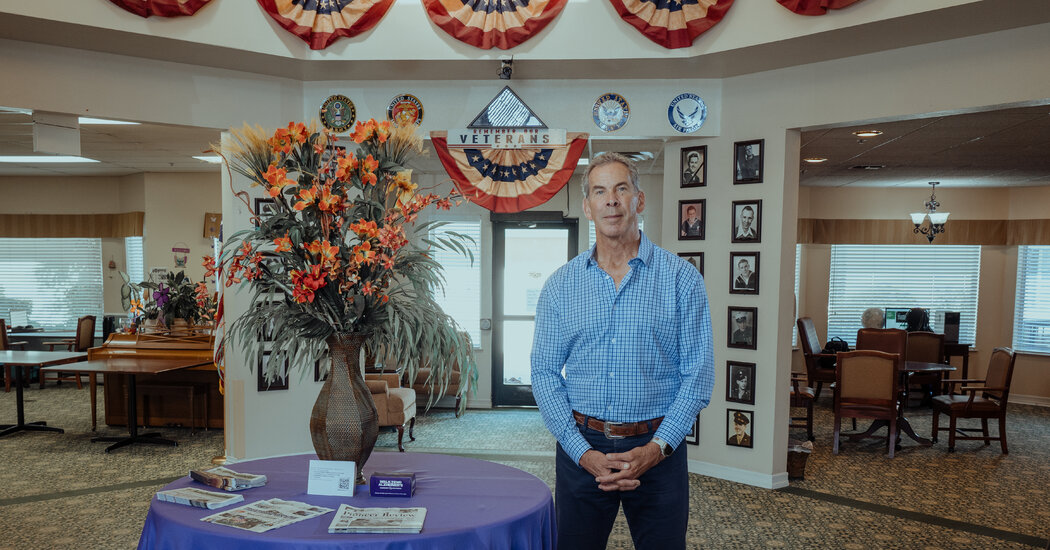
While this shift aims to create transparency, it also raises concerns about the future of real estate transactions. Emily Ross, a seasoned Realtor from Austin, Texas, shares her insights on the potential challenges. She notes that the traditional 5-6% sales commission may become a relic of the past, with sellers possibly adopting alternative methods like buyer credits to navigate the new landscape.
The Role of Real Estate Agents
Despite the upheaval, Ross emphasizes the enduring value of real estate agents. In a world where buyers might have to shoulder more responsibilities, agents continue to play multifaceted roles—from negotiators to therapists. The question remains: how will these professionals be compensated fairly for their expertise?
Looking Ahead
As the industry grapples with these changes, Ross advises potential buyers to act swiftly, suggesting that those looking to purchase should aim to close deals by July 1 to avoid uncertainty. Meanwhile, the real estate community must decide how to adapt without compromising the integrity of their work.
In the words of Emily Ross, the real estate journey is akin to a reality TV show, full of unexpected twists and turns. As the industry moves forward, both buyers and sellers must prepare for a new era in real estate transactions, where adaptability and resilience will be key.
More Articles
Getting licensed or staying ahead in your career can be a journey—but it doesn’t have to be overwhelming. Grab your favorite coffee or tea, take a moment to relax, and browse through our articles. Whether you’re just starting out or renewing your expertise, we’ve got tips, insights, and advice to keep you moving forward. Here’s to your success—one sip and one step at a time!
In an unexpected twist of economic fate, the construction industry finds itself grappling with a steep ascent in building material costs, a trend that began its climb at the dawn of 2024.
In the ever-evolving landscape of commercial real estate, a new challenge has emerged, straining the resilience of landlords and developers alike. The soaring costs of insurance, exacerbated by climate-induced natural disasters, are creating a formidable obstacle for property owners. Particularly affected are coastal cities and towns, where the risk of storms and floods is high.
The Bay Area housing market, a perpetual reflection of its economic vigor and cultural appeal, is navigating a complex terrain as it marches into 2024.
In a significant cyberattack that has disrupted operations across the United States, CDK Global, a leading provider of cloud-based software to automotive dealerships, was forced to shut down most of its systems. This incident has highlighted the vulnerabilities and rising trend of cyberattacks targeting the auto industry.
The commercial real estate landscape has experienced seismic shifts, particularly with properties purchased prior to the Covid-19 pandemic. Many of these assets now hold diminished value compared to the loans used to acquire them.