As families consider relocating, the quality of local public schools often becomes a pivotal factor. The allure of modern athletic facilities, spacious classrooms, and cutting-edge technology in science and computer labs can be irresistible for parents who equate these attributes with a superior education. But, as a recent study from Yale Insights explores, does the financial investment in school infrastructure genuinely enhance educational outcomes?
Barbara Biasi, an Assistant Professor of Economics at Yale SOM, alongside her colleagues Julien Lafortune and David Schönholzer, delved into this question. Their research, which spans data from across the United States, seeks to unravel the complex relationship between capital spending on schools and its impact on educational quality and real estate prices. For those interested in a deeper dive, the full article can be found here.
The study’s findings indicate that while capital projects generally increase both test scores and property values, the benefits are predominantly seen in districts with disadvantaged students. Interestingly, the type of capital project plays a crucial role in determining its impact. Projects focused on infrastructure improvements, such as HVAC systems, significantly enhance test scores but do not necessarily raise property values. Conversely, investments in visible amenities like athletic facilities tend to boost property prices.
Biasi’s research highlights a critical consideration for voters who decide on capital proposals. She emphasizes the importance of understanding whether these investments will truly benefit students or merely serve to increase local property values. As she notes, “Public schools are supposed to be free, but really people are paying for the best public school they can afford.”
Implications for Policy and Community
This study raises essential questions about the role of voters in making decisions that impact educational infrastructure. With the majority of voters not being parents, there’s a risk that the benefits of certain projects may not be fully appreciated or prioritized. Biasi hopes that this research will encourage a more informed discussion around school funding and its implications for both students and the broader community.
Looking ahead, Biasi and her team plan to explore how different funding rules across states affect the approval and impact of capital projects. This next phase aims to provide further insights into how modifications in funding rules could potentially reshape the educational landscape.
For more insights from Barbara Biasi and her team, visit her profile on Yale Insights.
More Articles
Getting licensed or staying ahead in your career can be a journey—but it doesn’t have to be overwhelming. Grab your favorite coffee or tea, take a moment to relax, and browse through our articles. Whether you’re just starting out or renewing your expertise, we’ve got tips, insights, and advice to keep you moving forward. Here’s to your success—one sip and one step at a time!
Nevada has enacted a first‑in‑the‑nation law permitting insurers to sell homeowners policies that exclude wildfire coverage, a move supporters say could help stabilize premiums but critics warn may leave homeowners financially devastated. The policy shift positions Nevada as a testing ground for potential nationwide changes, raising major implications for real estate, mortgage, and insurance professionals as lenders, high‑risk communities, and regulators navigate the evolving landscape.
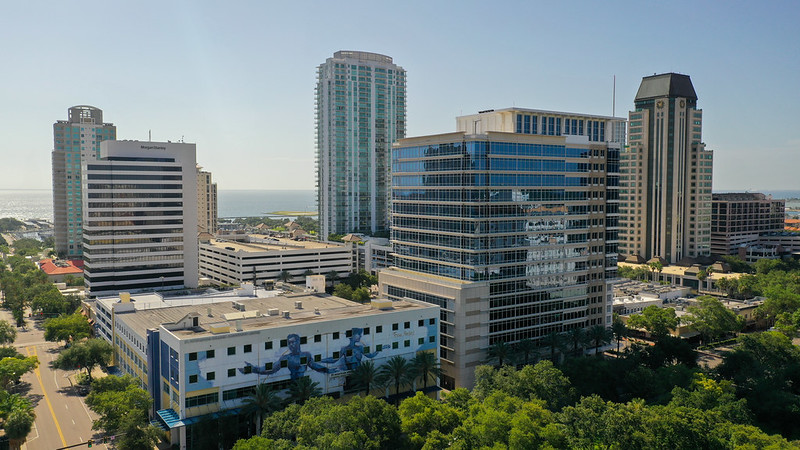
Tampa Bay’s office sector just delivered its most powerful year in nearly a decade, according to JLL’s Q4 2025 report. With more than 600,000 square feet of positive net absorption, falling vacancies, shrinking inventory, and major tenants like Fisher Investments and GEICO locking in massive leases, the region is emerging as one of the nation’s strongest post‑recovery office markets. The surge in demand for high‑quality space is driving rents up, tightening supply, and setting the stage for continued momentum into 2026.
The Consumer Financial Protection Bureau has proposed new updates to the Nationwide Mortgage Licensing System and Registry, expanding data collection, tightening verification standards, and refreshing record‑retention rules. These changes aim to strengthen background checks, enhance regulatory oversight, and align the system with federal requirements—impacting both current and aspiring mortgage loan originators nationwide.
Nevada has become the first state to let insurers sell homeowners policies that exclude wildfire coverage — a dramatic shift that could reshape insurance pricing across the West. Supporters say the move may lower premiums and spark innovation, while critics warn it could leave homeowners exposed to devastating losses. As regulators and insurers nationwide watch closely, the experiment could have major implications for real estate, mortgages, and insurance markets.
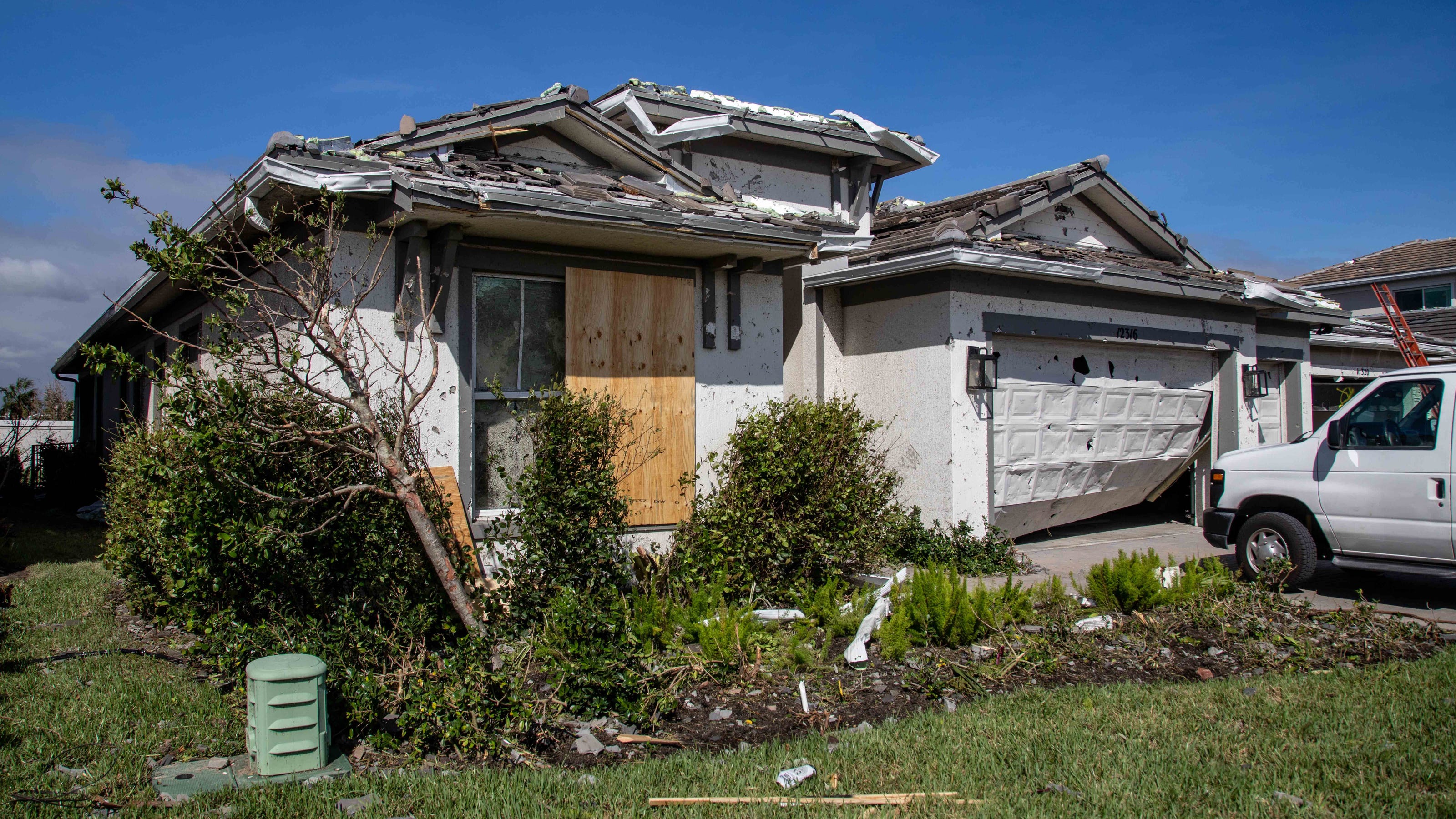
After years of soaring premiums and insurer failures, Florida lawmakers are rolling out a new slate of reforms aimed at finally delivering relief to homeowners. From cracking down on profit‑sharing affiliates to unveiling hidden rate factors and rewarding claim‑free residents, these proposals could reshape the state’s insurance landscape — and bring real savings to property owners and real estate professionals alike.
With traditional CRE lending slowing nationwide, C‑PACE financing is surging to all‑time highs — including a record‑setting $465 million loan for a major D.C. redevelopment. Backed by long repayment terms, fixed rates, and tax‑assessment security, C‑PACE is rapidly becoming a preferred tool for funding energy efficiency, resiliency upgrades, and even large‑scale project recapitalizations. Major players like Nuveen Green Capital and Peachtree Group are driving billions in new volume as 40 states adopt the program, signaling a major shift in how commercial real estate projects are financed.