The Remote Work Revolution: A New Chapter in U.S. Migration Patterns
The pandemic may no longer dominate the headlines, but its influence on
migration patterns and the
housing landscape continues to resonate across the United States. In a recent episode of
Core Conversations, host Maiclaire Bolton Smith and CoreLogic Chief Economist Selma Hepp explore how the rise of
remote work has reshaped the nation’s demographic and economic fabric.
Remote work, once a temporary necessity, has become a
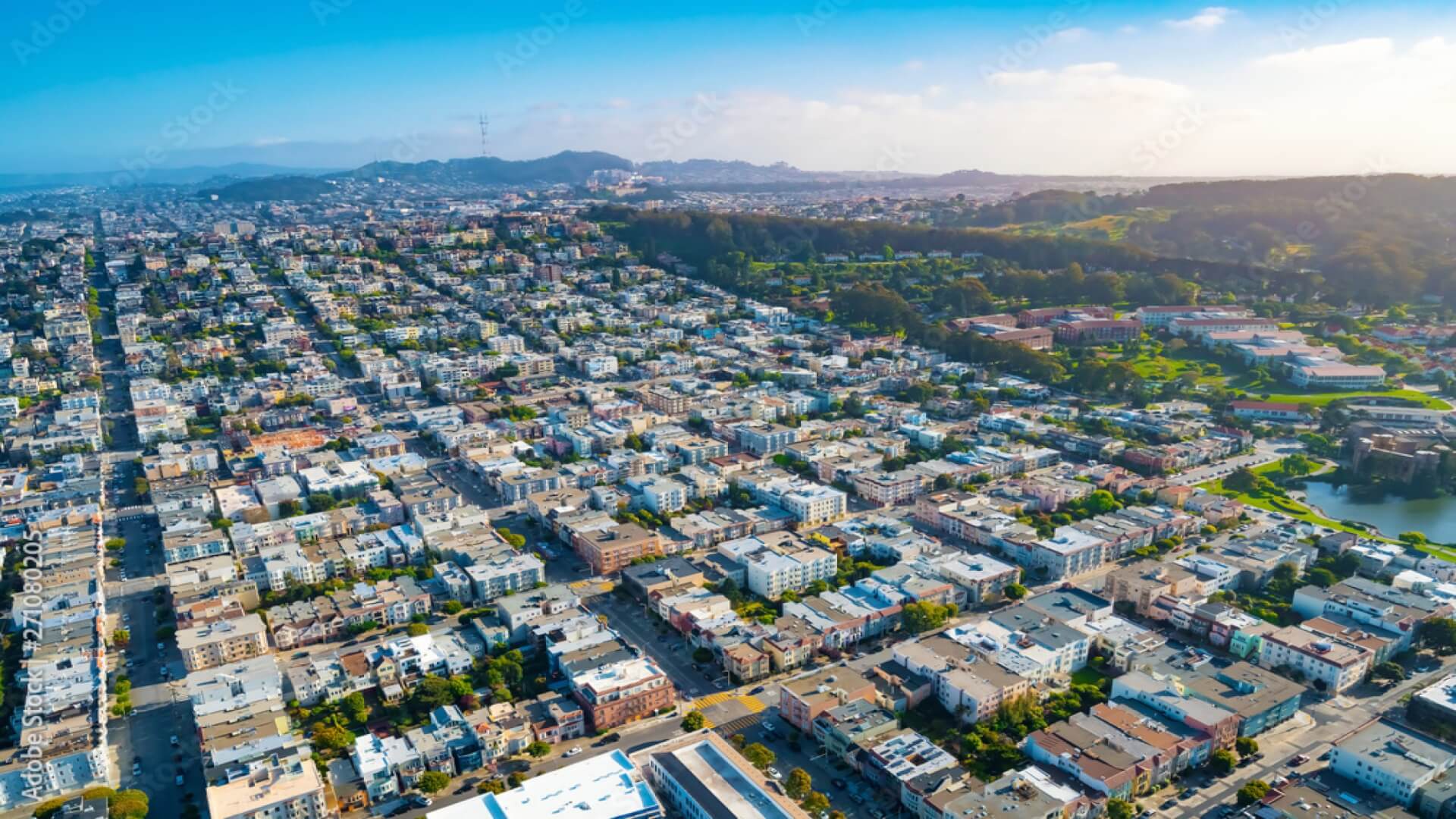
permanent fixture for many. This shift has prompted a significant migration from high-cost coastal metros like
San Francisco and
New York to more affordable regions. The
ripple effects of this migration are profound, altering
home price dynamics and
income distribution nationwide.
 Challenges and Opportunities
For major cities, the challenges are clear. Retaining a
high-wage workforce, navigating shrinking tax bases, and addressing declining home prices are pressing concerns. Yet, as Hepp points out, these urban centers are not fading into irrelevance. Instead, they are being urged to reinvent themselves, potentially embracing
mixed-use developments to attract residents back to the city.
Conversely, smaller towns and more affordable metros are seizing newfound opportunities. With an influx of high-wage earners, these areas are experiencing economic boons, including increased
local spending and rising wages. This redistribution of economic benefits is reshaping the landscape, as highlighted in the
original article.
The Long-Term Impact
As the podcast delves deeper, questions arise about the long-term implications of these migration trends. How will
remote work continue to decentralize job opportunities traditionally concentrated in urban centers? What will be the future economic roles of these evolving urban and suburban areas?
Despite high mortgage rates, the trend of
out-of-metro migration persists, driven by stable
remote work opportunities. This narrative, as discussed by Hepp, underscores the need for both large cities and smaller towns to innovate and adapt to sustain growth and economic stability in the face of changing work and living preferences.
In conclusion, the episode offers a comprehensive look at how
remote work is reshaping the
housing landscape and the
economic fabric of the nation. As this story unfolds, it becomes evident that the future of U.S. cities and towns will be defined by their ability to adapt to new demographic realities.