The Remote Work Revolution: A New Chapter in U.S. Migration Patterns

The pandemic may no longer dominate the headlines, but its influence on migration patterns and the housing landscape continues to resonate across the United States. In a recent episode of Core Conversations, host Maiclaire Bolton Smith and CoreLogic Chief Economist Selma Hepp explore how the rise of remote work has reshaped the nation’s demographic and economic fabric. Remote work, once a temporary necessity, has become a permanent fixture for many. This shift has prompted a significant migration from high-cost coastal metros like San Francisco and New York to more affordable regions. The ripple effects of this migration are profound, altering home price dynamics and income distribution nationwide. Migration patterns image Challenges and Opportunities

For major cities, the challenges are clear. Retaining a high-wage workforce, navigating shrinking tax bases, and addressing declining home prices are pressing concerns. Yet, as Hepp points out, these urban centers are not fading into irrelevance. Instead, they are being urged to reinvent themselves, potentially embracing mixed-use developments to attract residents back to the city. Conversely, smaller towns and more affordable metros are seizing newfound opportunities. With an influx of high-wage earners, these areas are experiencing economic boons, including increased local spending and rising wages. This redistribution of economic benefits is reshaping the landscape, as highlighted in the original article. The Long-Term Impact
As the podcast delves deeper, questions arise about the long-term implications of these migration trends. How will remote work continue to decentralize job opportunities traditionally concentrated in urban centers? What will be the future economic roles of these evolving urban and suburban areas? Despite high mortgage rates, the trend of out-of-metro migration persists, driven by stable remote work opportunities. This narrative, as discussed by Hepp, underscores the need for both large cities and smaller towns to innovate and adapt to sustain growth and economic stability in the face of changing work and living preferences. In conclusion, the episode offers a comprehensive look at how remote work is reshaping the housing landscape and the economic fabric of the nation. As this story unfolds, it becomes evident that the future of U.S. cities and towns will be defined by their ability to adapt to new demographic realities.


More Articles

Getting licensed or staying ahead in your career can be a journey—but it doesn’t have to be overwhelming. Grab your favorite coffee or tea, take a moment to relax, and browse through our articles. Whether you’re just starting out or renewing your expertise, we’ve got tips, insights, and advice to keep you moving forward. Here’s to your success—one sip and one step at a time!

Why Toronto’s Real Estate Market Is a Rollercoaster Using Would You Rather Decisions

By 2022, the average cost had skyrocketed to $1.19 million. That’s, like, a 28% increase in just three years! But as with all wild parties, there was an inevitable hangover.

By |January 19, 2025|Categories: Article, Market Analysis, Real Estate|Tags: , |0 Comments

TikTok’s Ban: US Social Media Frenzy

"And let’s not forget this might be the start of a multi-platform domino effect. If TikTok is toast, Instagram Reels, YouTube Shorts, or bizarre TikTok lookalikes (looking at you, Lemon8) are poised to swoop in and capitalize."

By |January 19, 2025|Categories: Article, Humor, Technology|Tags: |0 Comments

Sutter Health’s Innovative Approach to Sepsis Management

Sutter Health is pioneering a transformative approach in critical care by introducing the FloPatch, a novel wearable device aimed at enhancing clinical decision-making. This initiative focuses on improving sepsis management within intensive care units (ICUs), leveraging real-time data to support critical treatment decisions.

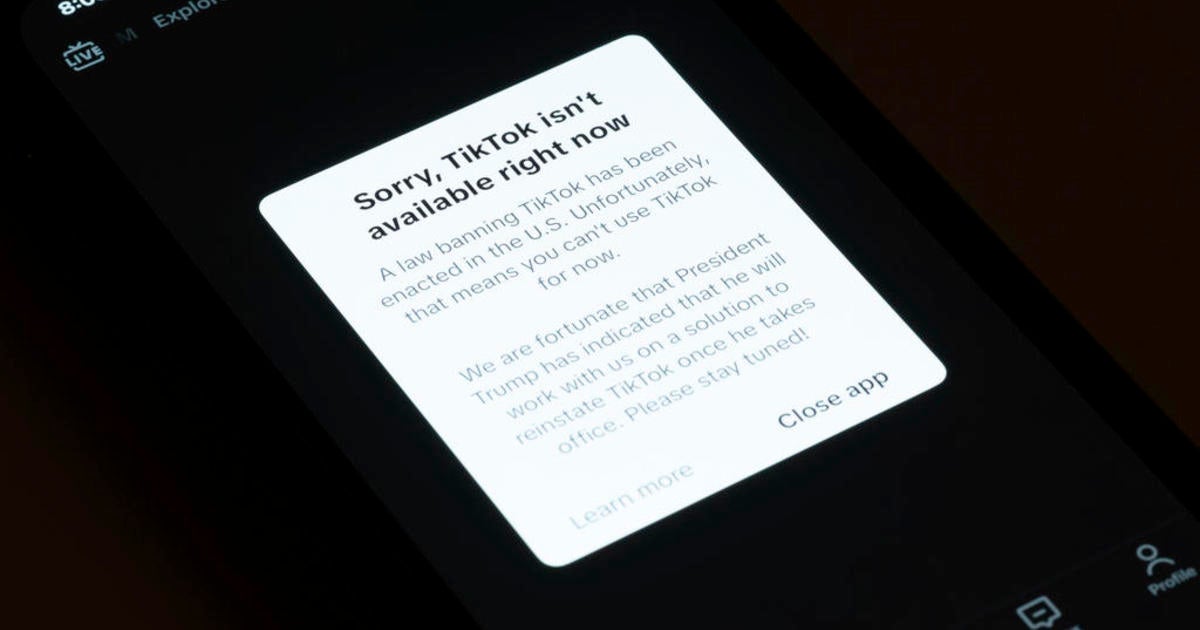
TikTok Ban in the U.S.: A Landmark Moment in National Security

TikTok, the immensely popular social media app, is now banned in the United States following a Supreme Court ruling that mandated the app to sever ties with its China-based parent company, ByteDance, or face a ban.

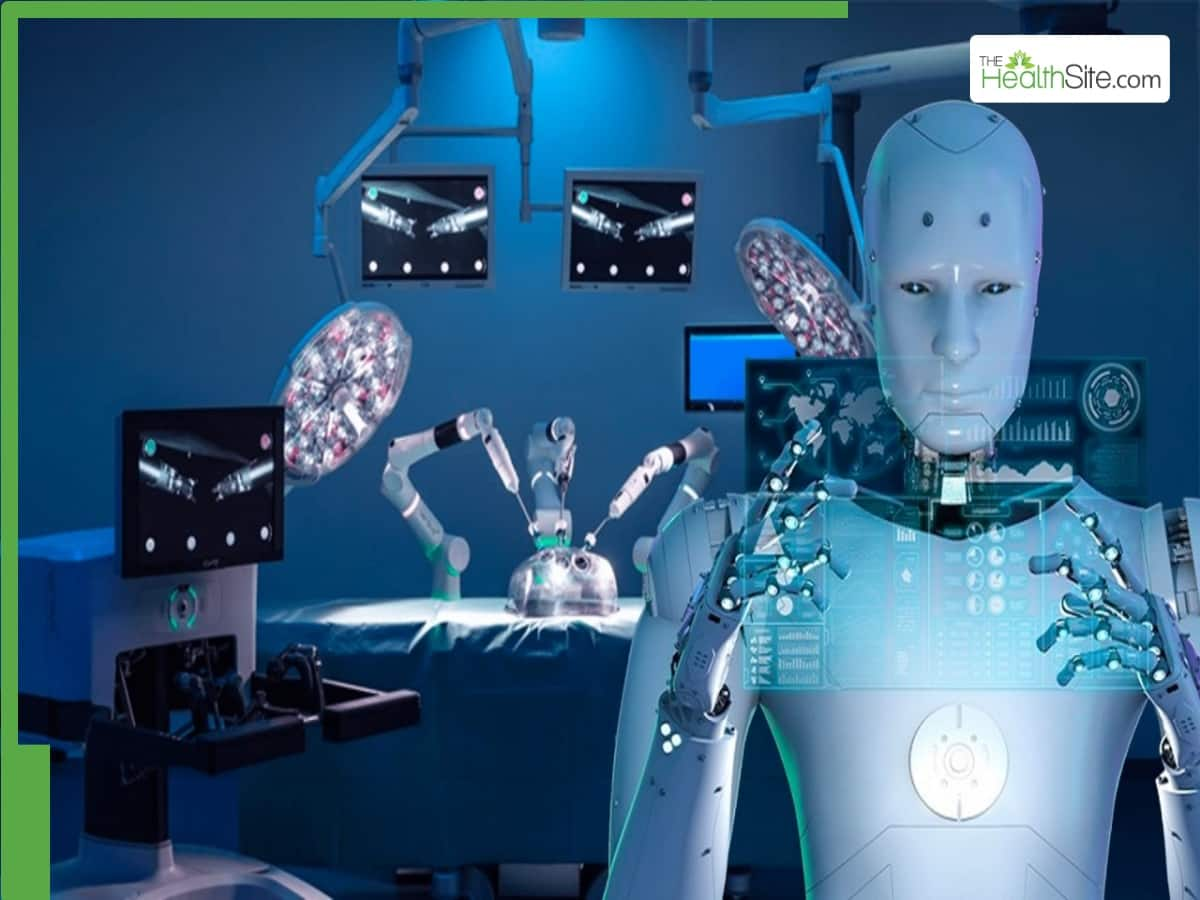
AI and Robotics Revolutionizing Indian Healthcare

AI is poised to revolutionize the diagnostic process, enabling more accurate and faster diagnoses than ever before. Traditional methods, which rely heavily on manual interpretations of medical images, often suffer from delays and errors. In contrast, AI-driven diagnostic tools can swiftly analyze vast amounts of medical data, including X-rays, MRIs, and CT scans, with remarkable precision. This technology is already being leveraged for the early detection of diseases such as cancer and diabetic retinopathy, making diagnostics more efficient and accessible than ever.

By |January 19, 2025|Categories: Article, Healthcare, Technology|Tags: , |0 Comments

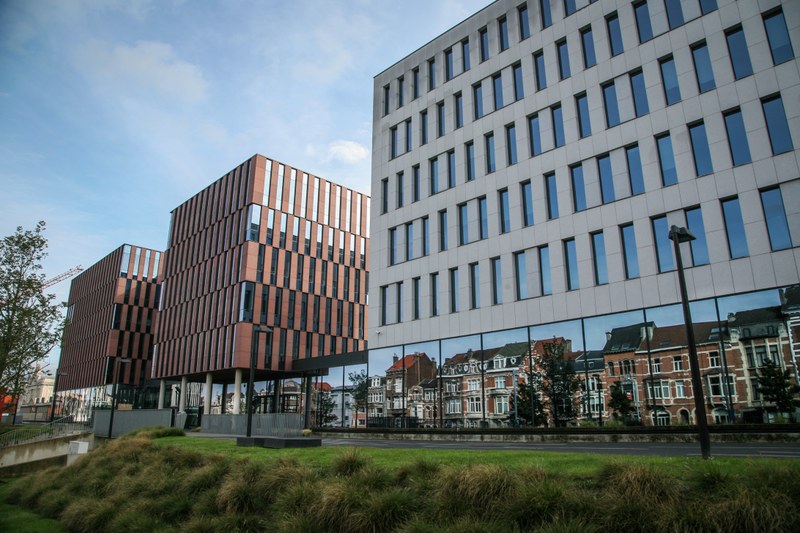
Embracing Smart Renovations: Europe’s Path to Sustainable Building

Currently, buildings account for over 30% of the EU's environmental footprint, a staggering figure that underscores the urgency of reform.