The Remote Work Revolution: A New Chapter in U.S. Migration Patterns

The pandemic may no longer dominate the headlines, but its influence on migration patterns and the housing landscape continues to resonate across the United States. In a recent episode of Core Conversations, host Maiclaire Bolton Smith and CoreLogic Chief Economist Selma Hepp explore how the rise of remote work has reshaped the nation’s demographic and economic fabric. Remote work, once a temporary necessity, has become a permanent fixture for many. This shift has prompted a significant migration from high-cost coastal metros like San Francisco and New York to more affordable regions. The ripple effects of this migration are profound, altering home price dynamics and income distribution nationwide. Migration patterns image Challenges and Opportunities

For major cities, the challenges are clear. Retaining a high-wage workforce, navigating shrinking tax bases, and addressing declining home prices are pressing concerns. Yet, as Hepp points out, these urban centers are not fading into irrelevance. Instead, they are being urged to reinvent themselves, potentially embracing mixed-use developments to attract residents back to the city. Conversely, smaller towns and more affordable metros are seizing newfound opportunities. With an influx of high-wage earners, these areas are experiencing economic boons, including increased local spending and rising wages. This redistribution of economic benefits is reshaping the landscape, as highlighted in the original article. The Long-Term Impact
As the podcast delves deeper, questions arise about the long-term implications of these migration trends. How will remote work continue to decentralize job opportunities traditionally concentrated in urban centers? What will be the future economic roles of these evolving urban and suburban areas? Despite high mortgage rates, the trend of out-of-metro migration persists, driven by stable remote work opportunities. This narrative, as discussed by Hepp, underscores the need for both large cities and smaller towns to innovate and adapt to sustain growth and economic stability in the face of changing work and living preferences. In conclusion, the episode offers a comprehensive look at how remote work is reshaping the housing landscape and the economic fabric of the nation. As this story unfolds, it becomes evident that the future of U.S. cities and towns will be defined by their ability to adapt to new demographic realities.


More Articles

Getting licensed or staying ahead in your career can be a journey—but it doesn’t have to be overwhelming. Grab your favorite coffee or tea, take a moment to relax, and browse through our articles. Whether you’re just starting out or renewing your expertise, we’ve got tips, insights, and advice to keep you moving forward. Here’s to your success—one sip and one step at a time!

Precision Medicine Market: A Tailored Approach Revolutionizing Healthcare

With increasing governmental and private investments, the demand for precision medicine is expected to rise steadily. The commitment to addressing chronic conditions, coupled with strategic industry collaborations and advanced diagnostic tools, will sustain market growth.

U.S. Wearable Medical Devices Market: Growth Trends and Future Prospects

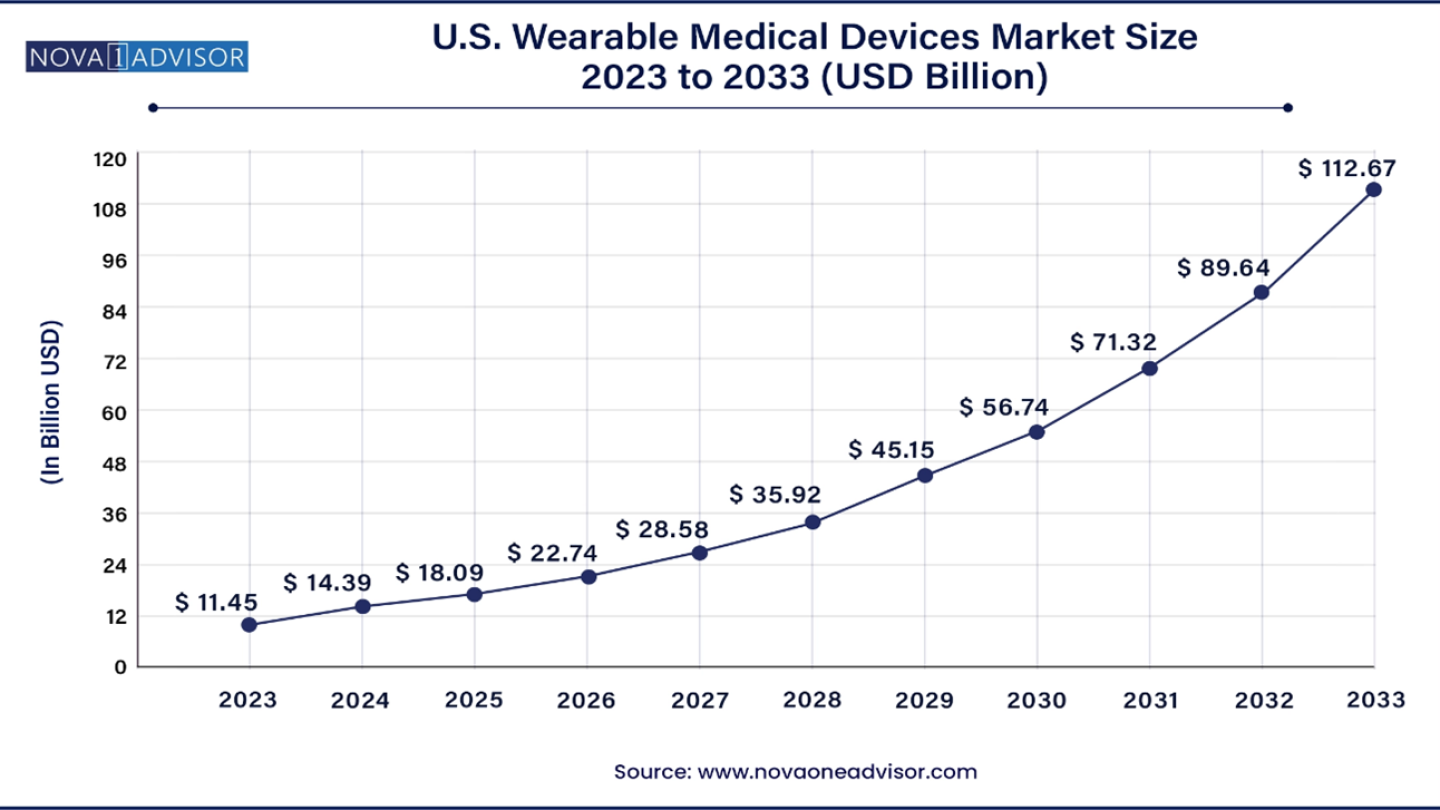
The U.S. wearable medical devices market, currently valued at an estimated $11.45 billion in 2023, is set to experience an astronomical rise to approximately $112.67 billion by 2033.

By |December 3, 2024|Categories: Article, Healthcare, Technology|Tags: |0 Comments

The Future of Real Estate Market: What Lies Ahead?

The real estate market is on the brink of transformation, captivating the attention of buyers, sellers, investors, and industry professionals. As we look toward the end of 2024, experts predict a shift in the landscape, particularly with home prices expected to decline due to increased inventory levels.

By |December 3, 2024|Categories: Article, Market Trends, Real Estate|Tags: , |0 Comments

Bridging the Healthcare Gap in Rural Areas with Telehealth

According to the World Health Organization (WHO), nearly two billion people in rural and remote areas worldwide lack access to essential healthcare solutions. This staggering statistic highlights a critical issue: the digital divide that limits telehealth services, primarily due to inadequate broadband access.

By |December 2, 2024|Categories: Article, Healthcare, Technology|Tags: , |0 Comments

Navigating Ethical Challenges: AI in Healthcare

As AI becomes a staple in medical practice, it carries the risk of reinforcing existing biases entrenched in historical data. These biases can lead to skewed outcomes, particularly affecting marginalized communities such as the LGBTQIA+ and certain ethnic groups.

By |December 2, 2024|Categories: Article, Ethics, Healthcare|Tags: , |0 Comments

New SCLC Biomarkers Enable Advances in Precision Medicine Approaches

A groundbreaking study published in Volume 15 of Oncotarget on October 11, 2024, titled 'Relationship between the expressions of DLL3, ASC1, TTF-1 and Ki-67: First steps of precision medicine at SCLC' showcases pivotal advancements in the fight against small cell lung cancer (SCLC).

By |December 2, 2024|Categories: Article, Cancer Treatment, Medical Research|Tags: , |0 Comments