The Remote Work Revolution: A New Chapter in U.S. Migration Patterns

The pandemic may no longer dominate the headlines, but its influence on migration patterns and the housing landscape continues to resonate across the United States. In a recent episode of Core Conversations, host Maiclaire Bolton Smith and CoreLogic Chief Economist Selma Hepp explore how the rise of remote work has reshaped the nation’s demographic and economic fabric. Remote work, once a temporary necessity, has become a permanent fixture for many. This shift has prompted a significant migration from high-cost coastal metros like San Francisco and New York to more affordable regions. The ripple effects of this migration are profound, altering home price dynamics and income distribution nationwide. Migration patterns image Challenges and Opportunities

For major cities, the challenges are clear. Retaining a high-wage workforce, navigating shrinking tax bases, and addressing declining home prices are pressing concerns. Yet, as Hepp points out, these urban centers are not fading into irrelevance. Instead, they are being urged to reinvent themselves, potentially embracing mixed-use developments to attract residents back to the city. Conversely, smaller towns and more affordable metros are seizing newfound opportunities. With an influx of high-wage earners, these areas are experiencing economic boons, including increased local spending and rising wages. This redistribution of economic benefits is reshaping the landscape, as highlighted in the original article. The Long-Term Impact
As the podcast delves deeper, questions arise about the long-term implications of these migration trends. How will remote work continue to decentralize job opportunities traditionally concentrated in urban centers? What will be the future economic roles of these evolving urban and suburban areas? Despite high mortgage rates, the trend of out-of-metro migration persists, driven by stable remote work opportunities. This narrative, as discussed by Hepp, underscores the need for both large cities and smaller towns to innovate and adapt to sustain growth and economic stability in the face of changing work and living preferences. In conclusion, the episode offers a comprehensive look at how remote work is reshaping the housing landscape and the economic fabric of the nation. As this story unfolds, it becomes evident that the future of U.S. cities and towns will be defined by their ability to adapt to new demographic realities.


More Articles

Getting licensed or staying ahead in your career can be a journey—but it doesn’t have to be overwhelming. Grab your favorite coffee or tea, take a moment to relax, and browse through our articles. Whether you’re just starting out or renewing your expertise, we’ve got tips, insights, and advice to keep you moving forward. Here’s to your success—one sip and one step at a time!

Bridging the Mental Health Care Gap in Rural America with Telehealth

Across the vast landscapes of rural America, a silent crisis brews—one that affects the mental well-being of millions. The shortage of mental health care providers, coupled with geographic isolation, has created a significant gap in mental health services. However, a glimmer of hope emerges through telehealth technology, promising to bridge this divide.

By |November 8, 2024|Categories: Article, Mental Health, Rural Health|Tags: , |0 Comments

Revolutionizing Healthcare: The Role of AI at Dartmouth’s CPHAI

Artificial Intelligence (AI) is on the brink of revolutionizing the healthcare industry, promising to enhance patient care by making it more predictive, preventive, and personalized. Spearheading this transformation is Saeed Hassanpour, PhD, director of the Dartmouth Center for Precision Health and Artificial Intelligence (CPHAI). According to Hassanpour, AI's integration into healthcare will increase efficiency, accessibility, and diagnostic accuracy, fundamentally reshaping the landscape.

Real Estate Market: A Decade of Transformation Awaits

The housing market has been a rollercoaster of skyrocketing prices in recent years, leaving many potential homebuyers feeling overwhelmed. This surge in prices stems from the pandemic-driven migration to suburban areas and historically low interest rates.

AI in Healthcare: Revolutionizing Patient Care and Hospital Efficiency

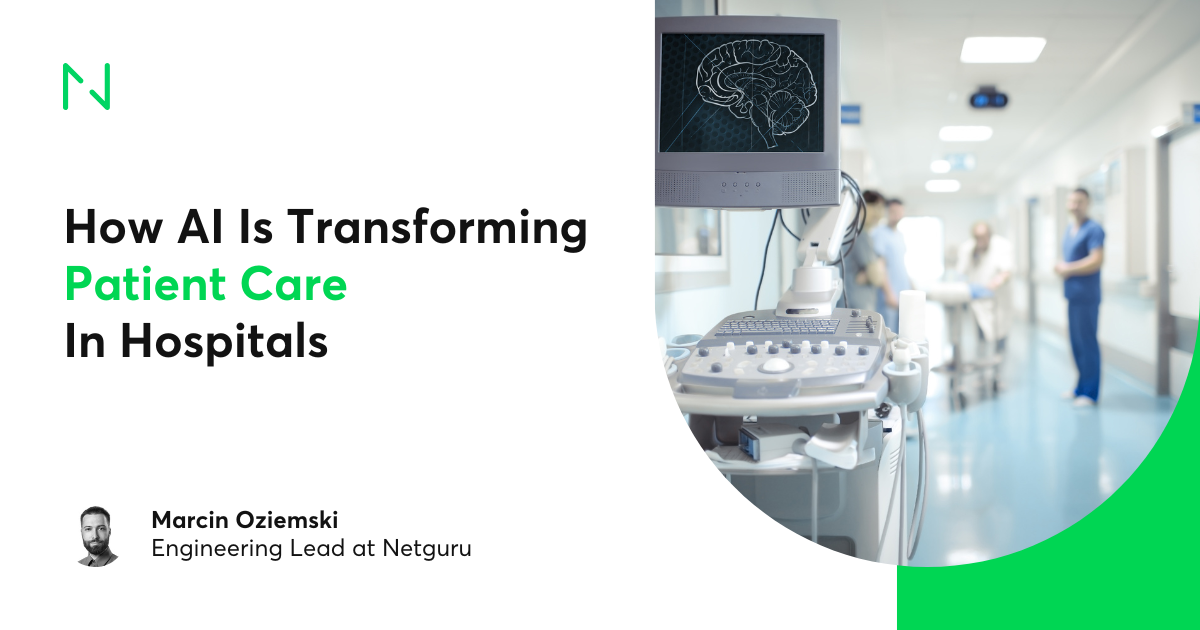
AI is reshaping patient experience by making healthcare more accessible, efficient, and personalized. Through AI-assisted scheduling, virtual health assistants, and remote monitoring, patients receive care that is tailored to their specific needs, significantly reducing wait times and enhancing overall satisfaction.

By |November 8, 2024|Categories: Article, Healthcare, Technology|Tags: , |0 Comments

Healthcare AI: The Dawn of a New Era

The healthcare industry stands on the precipice of a transformative era, driven by the integration of artificial intelligence (AI) into its core operations.

Visual Technologies: Revolutionizing Healthcare

The integration of visual technologies into healthcare heralds a new era of personalized medicine. These innovations offer unprecedented opportunities for investment and improvement in global health outcomes.

By |November 7, 2024|Categories: Article, Healthcare, Visual Technologies|Tags: , |0 Comments