The Remote Work Revolution: A New Chapter in U.S. Migration Patterns

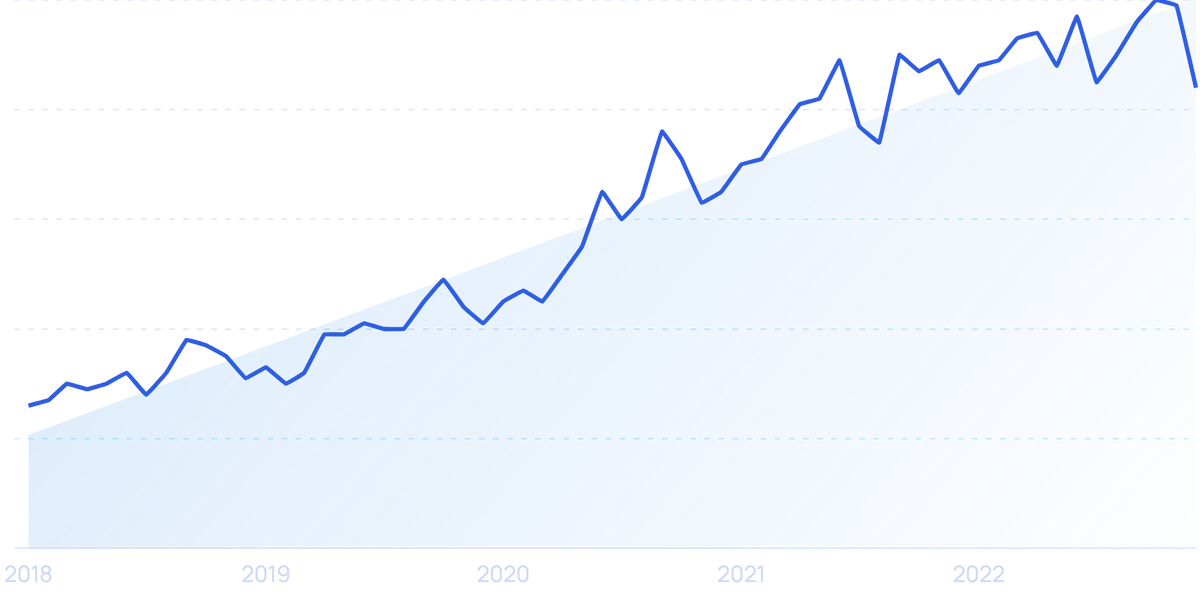
The pandemic may no longer dominate the headlines, but its influence on migration patterns and the housing landscape continues to resonate across the United States. In a recent episode of Core Conversations, host Maiclaire Bolton Smith and CoreLogic Chief Economist Selma Hepp explore how the rise of remote work has reshaped the nation’s demographic and economic fabric. Remote work, once a temporary necessity, has become a permanent fixture for many. This shift has prompted a significant migration from high-cost coastal metros like San Francisco and New York to more affordable regions. The ripple effects of this migration are profound, altering home price dynamics and income distribution nationwide. Migration patterns image Challenges and Opportunities
For major cities, the challenges are clear. Retaining a high-wage workforce, navigating shrinking tax bases, and addressing declining home prices are pressing concerns. Yet, as Hepp points out, these urban centers are not fading into irrelevance. Instead, they are being urged to reinvent themselves, potentially embracing mixed-use developments to attract residents back to the city. Conversely, smaller towns and more affordable metros are seizing newfound opportunities. With an influx of high-wage earners, these areas are experiencing economic boons, including increased local spending and rising wages. This redistribution of economic benefits is reshaping the landscape, as highlighted in the original article. The Long-Term Impact
As the podcast delves deeper, questions arise about the long-term implications of these migration trends. How will remote work continue to decentralize job opportunities traditionally concentrated in urban centers? What will be the future economic roles of these evolving urban and suburban areas? Despite high mortgage rates, the trend of out-of-metro migration persists, driven by stable remote work opportunities. This narrative, as discussed by Hepp, underscores the need for both large cities and smaller towns to innovate and adapt to sustain growth and economic stability in the face of changing work and living preferences. In conclusion, the episode offers a comprehensive look at how remote work is reshaping the housing landscape and the economic fabric of the nation. As this story unfolds, it becomes evident that the future of U.S. cities and towns will be defined by their ability to adapt to new demographic realities.

More Articles

Getting licensed or staying ahead in your career can be a journey—but it doesn’t have to be overwhelming. Grab your favorite coffee or tea, take a moment to relax, and browse through our articles. Whether you’re just starting out or renewing your expertise, we’ve got tips, insights, and advice to keep you moving forward. Here’s to your success—one sip and one step at a time!

Exploring the Shifting Landscape of Real Estate in 2024

This trend is beneficial for existing homeowners, who have seen their equity rise by 9.6% last year, adding $1.5 trillion collectively.

By |October 11, 2024|Categories: Article, Market Trends, Real Estate|Tags: |0 Comments

Streamlining Real Estate Success: A Deep Dive into CRM Software for 2024

In the fast-paced world of real estate, efficiency is not just a luxury—it's a necessity. The Tech Report's recent analysis sheds light on the pivotal role of CRM software in transforming how real estate professionals manage leads, engage with clients, and close deals.

By |October 11, 2024|Categories: Article, Real Estate, Technology|Tags: , |0 Comments

Revolutionizing the Real Estate Tech Landscape

The real estate industry has just witnessed the release of its first comprehensive Customer Relationship Management (CRM) guide, titled "The Kerfuffle CRM Guide For Estate & Letting Agents."

By |October 11, 2024|Categories: Article, Real Estate, Technology|Tags: , |0 Comments

Exploring Real Estate Investment: A Comprehensive Guide

Real estate investment is a popular avenue for diversifying one's portfolio and generating passive income. However, the traditional notion of becoming a landlord—complete with calls about leaky faucets and pest control—might not appeal to everyone.

Hurricane Helene’s Impact on the Southeast: A Real Estate Perspective

Hurricane Helene made landfall as a Category 4 hurricane with wind speeds of 140 mph, initially impacting Florida's Big Bend. The storm claims 17 lives and poses $5.6 billion in potential flood damages, with commercial properties at significant wind damage risk.

By |October 10, 2024|Categories: Article, Natural Disasters, Real Estate|Tags: , |0 Comments

Real Estate Rule Changes Shift Commission Costs to Homebuyers

The longstanding practice where sellers routinely covered buyer agent commissions will become a relic of the past.


By |October 10, 2024|Categories: Article, Finance, Real Estate|Tags: , |0 Comments