The Remote Work Revolution: Redefining Real Estate

Imagine a morning where the commute is just a few steps from your bedroom to your home office. This is the reality for many in today’s post-pandemic world, where remote work has become a staple of the modern workforce. As we look ahead to 2025, projections suggest that 22% of the American workforce will continue to embrace this work-from-home model. This shift is not just changing how we work but also where we choose to live.

Changing Housing Preferences

The demand for spacious homes is on the rise. Homebuyers are now seeking properties that offer dedicated areas for work, leisure, and family life. Features such as additional bedrooms, home offices, and expansive backyards are more sought after than ever. This trend is transforming homes into multifunctional spaces, balancing efficiency with comfort.

Urban Exodus and the Suburban Surge

An intriguing trend is the move away from bustling urban centers to more affordable suburban and rural areas. Recent studies highlight a significant uptick in demand for housing in smaller towns, as remote workers capitalize on the freedom to live without the constraints of a daily commute. The data underscores this shift, with suburban and rural homes experiencing notable price increases. For a deeper dive into these trends, visit the original article.

Impact on Rental Markets

The rental market is not immune to these changes. Many renters are now considering locations previously deemed less desirable due to high urban rents. Areas in the Midwest and South are witnessing a surge in rental applications, driven by the remote work boom.

Ownership vs. Renting: A Changing Dynamic

The allure of homeownership is growing, particularly among millennials and Gen Zers. With the flexibility to choose their living environment, many are opting to invest in homes, tapping into the benefits of equity. Meanwhile, renters are prioritizing higher-quality housing equipped with essential office infrastructure, such as fiber optic internet and home offices.

Challenges of Affordability

Despite these trends, affordability remains a pressing concern. Rising home prices and increasing mortgage rates can be barriers for potential buyers. This has led to innovative financing solutions, such as co-buying among families, to navigate the fluctuating market.

Commercial Real Estate: A New Landscape

The rise of remote work is also reshaping the commercial real estate sector. Companies are reevaluating their office space needs, leading to a shift toward flexible working environments. This transition could pave the way for collaborative coworking spaces, allowing businesses to maintain a presence in urban centers while offering employees a choice of flexible workspaces.

Looking Ahead

As remote work continues to influence the housing market, several outcomes are anticipated:
  • Continued demand for space in suburbs and smaller cities.
  • Growth of hybrid work models, impacting housing market dynamics.
  • Increased infrastructure investments in suburban areas.
For more detailed predictions, explore the Emerging Trends in Real Estate 2024.

Adapting to the New Era

Understanding these shifts is crucial for anyone involved in real estate. Whether you’re a buyer, seller, or agent, staying informed about these evolving preferences is essential. Consider market trends when pricing properties, offer features that appeal to remote workers, and remain adaptable in this rapidly changing landscape.
ALSO READ:

More Articles

Getting licensed or staying ahead in your career can be a journey—but it doesn’t have to be overwhelming. Grab your favorite coffee or tea, take a moment to relax, and browse through our articles. Whether you’re just starting out or renewing your expertise, we’ve got tips, insights, and advice to keep you moving forward. Here’s to your success—one sip and one step at a time!

2025 Commercial Real Estate Outlook: Navigating a New Era

The commercial real estate landscape is on the brink of transformation as leaders seek to navigate the challenges of recent years and position their organizations for future opportunities.

The Emerging Mental Health Crisis Among Healthcare Workers During the COVID-19 Pandemic

The pandemic has ushered in a wave of mental health challenges that affect healthcare workers profoundly. From the onset of COVID-19, these professionals have been at the forefront, facing immense pressure, long hours, and the constant fear of exposure.

By |December 18, 2024|Categories: Article, Healthcare Workers, Mental Health|Tags: , |0 Comments

Ethical Concerns of Large Language Models in Healthcare

Exploring the dual nature of LLMs offers substantial benefits in healthcare but also raises significant ethical concerns, underscoring the need for well-defined guidelines and human oversight.

The Role of Wearable Devices in Chronic Disease Monitoring and Patient Care: A Comprehensive Review

Wearable devices have become integral in managing chronic conditions by providing continuous health data, empowering patients and healthcare professionals with insights that were previously unattainable.

AI Training Mandates: Navigating Legal Waters in Dentistry

The integration of artificial intelligence (AI) into dental practices is more than a technological trend; it represents a seismic shift in the industry. This transformation is reshaping skill sets and prompting a thorough examination of legal and ethical implications.

By |December 17, 2024|Categories: Article, Legal, Technology|Tags: , |0 Comments

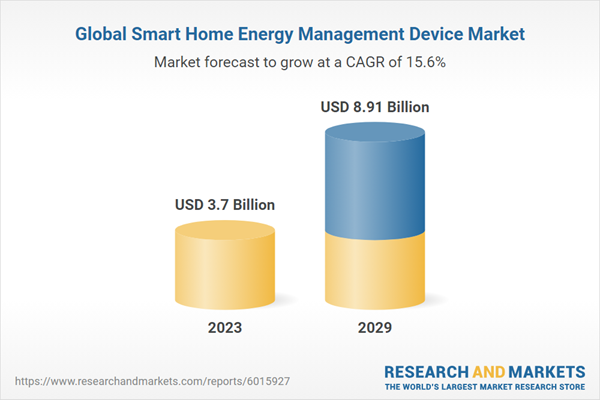
Smart Home Energy Management Devices: A Market Poised for Growth

The Global Smart Home Energy Management Device Market is on the brink of a significant transformation, driven by escalating demands for energy-efficient solutions and the increasing adoption of smart home technologies.