The Remote Work Revolution: Redefining Real Estate

Imagine a morning where the commute is just a few steps from your bedroom to your home office. This is the reality for many in today’s post-pandemic world, where remote work has become a staple of the modern workforce. As we look ahead to 2025, projections suggest that 22% of the American workforce will continue to embrace this work-from-home model. This shift is not just changing how we work but also where we choose to live.

Changing Housing Preferences

The demand for spacious homes is on the rise. Homebuyers are now seeking properties that offer dedicated areas for work, leisure, and family life. Features such as additional bedrooms, home offices, and expansive backyards are more sought after than ever. This trend is transforming homes into multifunctional spaces, balancing efficiency with comfort.

Urban Exodus and the Suburban Surge

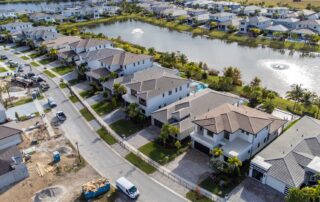
An intriguing trend is the move away from bustling urban centers to more affordable suburban and rural areas. Recent studies highlight a significant uptick in demand for housing in smaller towns, as remote workers capitalize on the freedom to live without the constraints of a daily commute. The data underscores this shift, with suburban and rural homes experiencing notable price increases. For a deeper dive into these trends, visit the original article.

Impact on Rental Markets

The rental market is not immune to these changes. Many renters are now considering locations previously deemed less desirable due to high urban rents. Areas in the Midwest and South are witnessing a surge in rental applications, driven by the remote work boom.

Ownership vs. Renting: A Changing Dynamic

The allure of homeownership is growing, particularly among millennials and Gen Zers. With the flexibility to choose their living environment, many are opting to invest in homes, tapping into the benefits of equity. Meanwhile, renters are prioritizing higher-quality housing equipped with essential office infrastructure, such as fiber optic internet and home offices.

Challenges of Affordability

Despite these trends, affordability remains a pressing concern. Rising home prices and increasing mortgage rates can be barriers for potential buyers. This has led to innovative financing solutions, such as co-buying among families, to navigate the fluctuating market.

Commercial Real Estate: A New Landscape

The rise of remote work is also reshaping the commercial real estate sector. Companies are reevaluating their office space needs, leading to a shift toward flexible working environments. This transition could pave the way for collaborative coworking spaces, allowing businesses to maintain a presence in urban centers while offering employees a choice of flexible workspaces.

Looking Ahead

As remote work continues to influence the housing market, several outcomes are anticipated:
  • Continued demand for space in suburbs and smaller cities.
  • Growth of hybrid work models, impacting housing market dynamics.
  • Increased infrastructure investments in suburban areas.
For more detailed predictions, explore the Emerging Trends in Real Estate 2024.

Adapting to the New Era

Understanding these shifts is crucial for anyone involved in real estate. Whether you’re a buyer, seller, or agent, staying informed about these evolving preferences is essential. Consider market trends when pricing properties, offer features that appeal to remote workers, and remain adaptable in this rapidly changing landscape.
ALSO READ:


More Articles

Getting licensed or staying ahead in your career can be a journey—but it doesn’t have to be overwhelming. Grab your favorite coffee or tea, take a moment to relax, and browse through our articles. Whether you’re just starting out or renewing your expertise, we’ve got tips, insights, and advice to keep you moving forward. Here’s to your success—one sip and one step at a time!

The 2026 CRE Tech Revolution: How Data, Automation, and AI Are Rewriting Commercial Real Estate

Commercial real estate is entering its most transformative era yet. In 2026, success hinges on mastering predictive analytics, smart‑building automation, and sustainability tech—tools that now determine everything from ROI forecasting to tenant retention. As PropTech evolves into an interconnected ecosystem of AI, automation, and ESG‑driven systems, CRE professionals who embrace this shift will lead the next generation of market innovation, while those who rely on traditional instincts risk being left behind.

Florida’s Mobile Home Rent Shake‑Up: New Bills Aim to Rein In Rent Hikes and Boost Tenant Protections

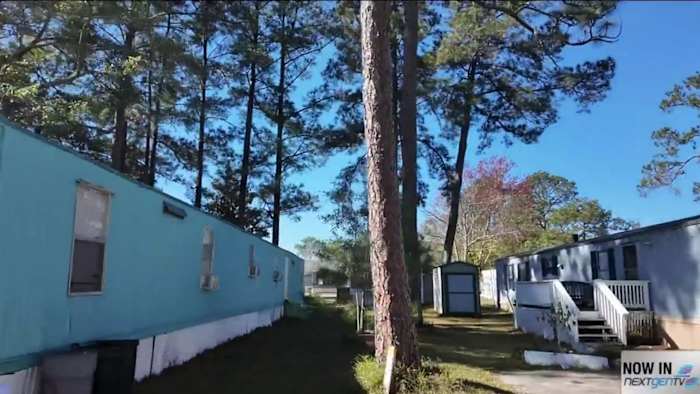
Florida lawmakers are pushing major reforms that could dramatically change life for more than 800,000 mobile home park residents. New bills would force park owners to justify rent increases, expand relocation assistance, strengthen tenant rights, and add penalties for reducing amenities without lowering rent. With many residents facing steep price jumps on fixed incomes, the proposed laws mark one of the state’s biggest moves toward accountability and transparency in decades — and real estate professionals will need to stay informed as the changes progress.

Mortgage Refinance Surge Faces Sudden Reversal as Rates Jump Again

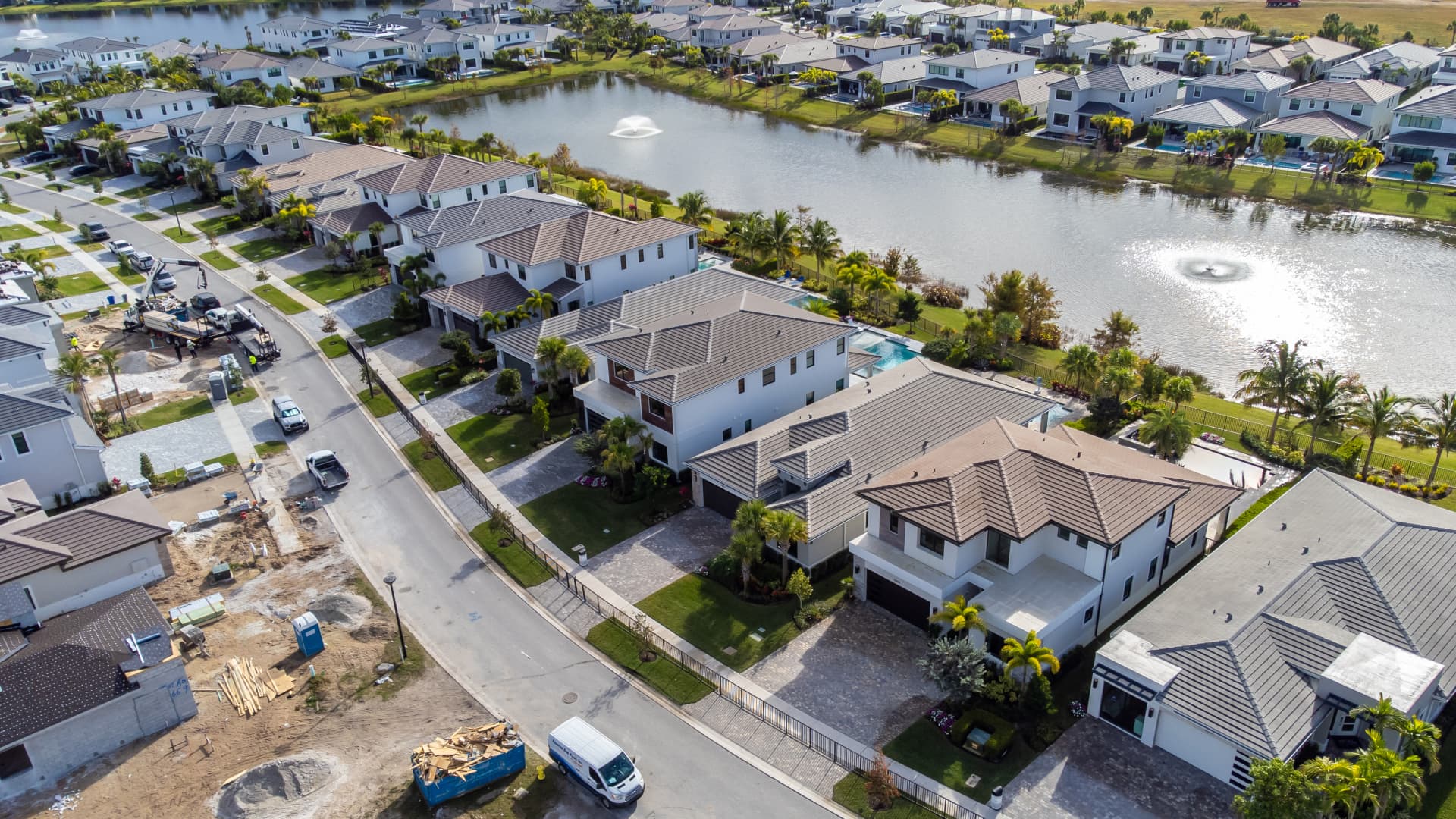
Refinance activity exploded for a second straight week as mortgage rates briefly dipped to their lowest levels since late 2024. Homeowners rushed to lock in savings, pushing refinance applications to nearly triple last year’s volume. But the momentum may be short‑lived. Early this week, rates spiked again as markets reacted to new tariff concerns and global uncertainty, erasing much of the recent progress. Both refinance and purchase demand remain strong, but volatility continues to challenge borrowers and professionals across the real estate and mortgage sectors.

Welcome to the Age of the AI Real Estate Agent

The real estate industry has officially entered its AI era, with agents across the country adopting advanced tools that streamline workflow, boost productivity, and transform daily operations. According to a new HousingWire report, tasks that once took hours now take minutes, agents are seeing up to 40 percent productivity growth, and unified AI platforms are helping brokerages deliver faster, smarter, and more personalized marketing than ever before.

Hawai‘i’s 2026 Economic Crossroads: A State in Transition with Opportunities for Professionals

Hawai‘i enters 2026 with a mix of strength and vulnerability. Construction is booming with billions in federal and military projects, yet tourism—the backbone of the local economy—is slowing at a difficult moment. Real estate shows early signs of revival as mortgage rates fall, while health care, small business, and banking navigate shifting federal funding and economic uncertainty. For professionals across real estate, finance, construction, and other licensed industries, Hawai‘i offers a clear preview of the economic pressures and emerging opportunities taking shape nationwide.

Florida’s Insurance Crisis Finally Shows Relief as Lawmakers Push for More Consumer‑Focused Reforms

Florida’s property insurance market is stabilizing after years of turmoil, but lawmakers say the job isn’t done. New proposals target profit‑sharing oversight, premium transparency, and a statewide claim‑free discount program—offering potential relief for homeowners and key insights for real estate and mortgage professionals navigating the shifting landscape.