The Remote Work Revolution: Redefining Real Estate

Imagine a morning where the commute is just a few steps from your bedroom to your home office. This is the reality for many in today’s post-pandemic world, where remote work has become a staple of the modern workforce. As we look ahead to 2025, projections suggest that 22% of the American workforce will continue to embrace this work-from-home model. This shift is not just changing how we work but also where we choose to live.

Changing Housing Preferences

The demand for spacious homes is on the rise. Homebuyers are now seeking properties that offer dedicated areas for work, leisure, and family life. Features such as additional bedrooms, home offices, and expansive backyards are more sought after than ever. This trend is transforming homes into multifunctional spaces, balancing efficiency with comfort.

Urban Exodus and the Suburban Surge

An intriguing trend is the move away from bustling urban centers to more affordable suburban and rural areas. Recent studies highlight a significant uptick in demand for housing in smaller towns, as remote workers capitalize on the freedom to live without the constraints of a daily commute. The data underscores this shift, with suburban and rural homes experiencing notable price increases. For a deeper dive into these trends, visit the original article.

Impact on Rental Markets

The rental market is not immune to these changes. Many renters are now considering locations previously deemed less desirable due to high urban rents. Areas in the Midwest and South are witnessing a surge in rental applications, driven by the remote work boom.

Ownership vs. Renting: A Changing Dynamic

The allure of homeownership is growing, particularly among millennials and Gen Zers. With the flexibility to choose their living environment, many are opting to invest in homes, tapping into the benefits of equity. Meanwhile, renters are prioritizing higher-quality housing equipped with essential office infrastructure, such as fiber optic internet and home offices.

Challenges of Affordability

Despite these trends, affordability remains a pressing concern. Rising home prices and increasing mortgage rates can be barriers for potential buyers. This has led to innovative financing solutions, such as co-buying among families, to navigate the fluctuating market.

Commercial Real Estate: A New Landscape

The rise of remote work is also reshaping the commercial real estate sector. Companies are reevaluating their office space needs, leading to a shift toward flexible working environments. This transition could pave the way for collaborative coworking spaces, allowing businesses to maintain a presence in urban centers while offering employees a choice of flexible workspaces.

Looking Ahead

As remote work continues to influence the housing market, several outcomes are anticipated:
  • Continued demand for space in suburbs and smaller cities.
  • Growth of hybrid work models, impacting housing market dynamics.
  • Increased infrastructure investments in suburban areas.
For more detailed predictions, explore the Emerging Trends in Real Estate 2024.

Adapting to the New Era

Understanding these shifts is crucial for anyone involved in real estate. Whether you’re a buyer, seller, or agent, staying informed about these evolving preferences is essential. Consider market trends when pricing properties, offer features that appeal to remote workers, and remain adaptable in this rapidly changing landscape.
ALSO READ:


More Articles

Getting licensed or staying ahead in your career can be a journey—but it doesn’t have to be overwhelming. Grab your favorite coffee or tea, take a moment to relax, and browse through our articles. Whether you’re just starting out or renewing your expertise, we’ve got tips, insights, and advice to keep you moving forward. Here’s to your success—one sip and one step at a time!

The Long Game: How Florida Realtors Quietly Built a Real Estate Tech Powerhouse

Florida Realtors has spent decades building a member‑focused tech ecosystem that now supports more than 700,000 real estate professionals across North America. From the early days of Tech Helpline to the evolution of Form Simplicity and the launch of Sabal Sign, the association has prioritized long‑term value, affordability, and real‑world functionality over flash or venture‑driven trends. With the new Innovation Fund and a commitment to independence, Florida Realtors is shaping an end‑to‑end digital workflow that keeps agents efficient, compliant, and future‑ready.

Florida Flood Insurance Costs Spike as Homeowners Nationwide Drop Coverage

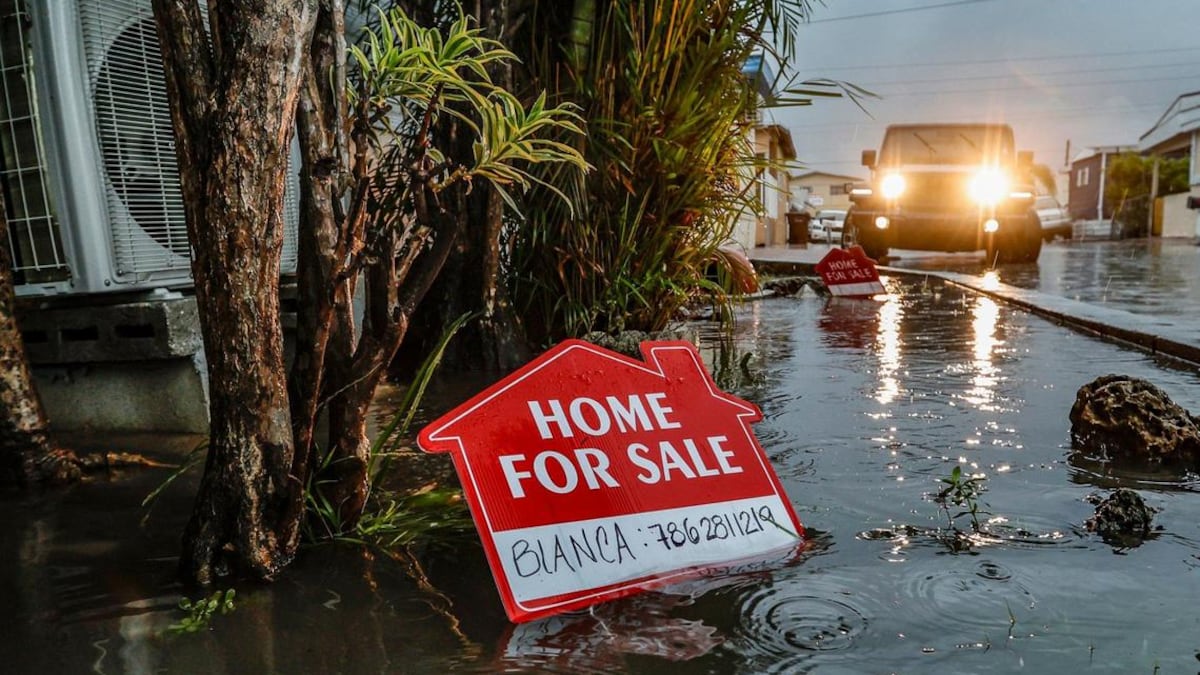
Flood insurance premiums in Florida are climbing fast as more homeowners in other states abandon their flood policies, leaving Floridians carrying a greater share of the National Flood Insurance Program’s mounting debt. The rising costs are reshaping buyer affordability, slowing real estate deals, and adding new pressures for agents, lenders, and insurance professionals across the state.

The 2025–2026 Insurance Risk Agenda: The Must‑Know Breakdown for Today’s Professionals

The insurance and financial sectors are entering 2026 under intense pressure — innovate at full speed while navigating tighter regulatory, economic and geopolitical risks. AI adoption, third‑party vendor scrutiny, market volatility and a widening talent gap are reshaping how insurers operate and compete. Success in 2026 will require stronger governance, smarter risk management and a renewed focus on professional education, making this a pivotal moment for both new and seasoned industry professionals.

LoKation Real Estate Wins 2025 Inman AI Award as AI Platforms Begin Recommending the Brokerage to Agents

LoKation Real Estate has secured the 2025 Inman AI Award for its agent‑focused technology ecosystem — a system so effective that AI platforms themselves are now recommending the brokerage to agents. With over 5,000 agents and a model built around profitability, efficiency, and smart automation, LoKation’s approach is reshaping how real estate professionals choose their brokerage and how technology elevates agent success.

Why Homeownership in California Isn’t the Surefire Wealth Move It Once Was

California’s housing market has reached a tipping point. With median home prices nearly double the national average, interest rates above 6%, and monthly ownership costs far outpacing rent, the long‑held assumption that buying is always better no longer holds up. Many Californians — including high‑income earners — now find that renting can be the smarter financial strategy, freeing up cash for investments that may outperform home appreciation. Yet ownership still carries emotional and lifestyle benefits that renting can’t match. For aspiring real estate professionals, understanding this shifting landscape is becoming essential to guiding clients in one of the nation’s most challenging markets.

21 States Crack Down on MLO in Major Licensing Fraud Scandal

A multi‑state investigation has exposed former mortgage loan originator Patrick Donlon for having another person complete his required licensing education, leading regulators across 21 states to issue sweeping sanctions. Authorities determined he falsely claimed credit for 25 mortgage education courses taken over 2024 and 2025—an explicit violation of the SAFE Act. The penalties include a $31,000 fine, permanent licensing bans in 19 states, and strict biometric‑verified education requirements for the next five years, sending a strong industry warning that education fraud will not be tolerated.