The Revolutionary Role of Digital Twins in Precision Health
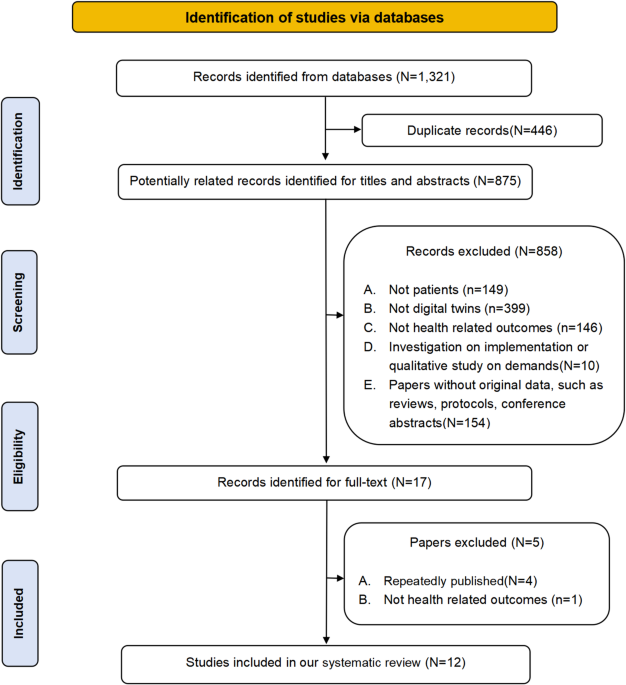
In a groundbreaking exploration of healthcare innovation, digital twins are emerging as a pivotal technology in the realm of precision health. A recent systematic review published in Nature delves into the transformative potential of digital twins, highlighting their capacity to revolutionize patient outcomes through personalized health management, precision therapies, and risk prediction.
Digital twins, essentially virtual replicas of human bodies, utilize real-time data to provide dynamic and individualized healthcare solutions. This technology marks a significant departure from conventional medical practices, which often employ a one-size-fits-all approach. Instead, digital twins offer tailored recommendations and interventions, thereby enhancing the precision and efficacy of healthcare delivery.
Transformative Potential Across Healthcare Domains
The review underscores the broad applicability of digital twins across various medical fields. By integrating omics data, clinical information, and health outcomes, digital twins facilitate a more nuanced understanding of patient health. This capability is particularly beneficial in managing chronic conditions like type 2 diabetes and multiple sclerosis, where personalized treatment plans can significantly improve patient quality of life.
Moreover, the technology’s predictive capabilities enable healthcare providers to anticipate and mitigate potential health risks. For instance, digital twins can forecast disease progression and suggest preemptive interventions, thereby reducing the likelihood of severe health complications.
Challenges and Future Directions
Despite their promising potential, the widespread adoption of digital twins in healthcare is not without challenges. Data accessibility and integration across disparate health systems remain significant hurdles. The review advocates for enhanced data-sharing frameworks and the development of robust computational infrastructures to support the seamless implementation of digital twins in clinical settings.
The authors, Mei-di Shen from Peking University and Si-bing Chen and Xiang-dong Ding from Jilin University, emphasize the need for continued research and collaboration across medical and technological domains. Such efforts are crucial to unlocking the full potential of digital twins and realizing their promise in precision health.
Conclusion
As healthcare continues to evolve, digital twins stand at the forefront of this transformation, offering unprecedented opportunities for personalized and precise medical care. By bridging the gap between digital innovation and clinical practice, digital twins are poised to redefine the future of healthcare, ensuring better outcomes for patients worldwide.
Getting licensed or staying ahead in your career can be a journey—but it doesn’t have to be overwhelming. Grab your favorite coffee or tea, take a moment to relax, and browse through our articles. Whether you’re just starting out or renewing your expertise, we’ve got tips, insights, and advice to keep you moving forward. Here’s to your success—one sip and one step at a time!
Cameron Academy's state-approved 63-hour Florida Real Estate Sales Associate Pre-License Course begins April 13, 2026 at the Dr. Phillips campus in Orlando. Attend in person or join live via Zoom. Morning schedule, expert instruction, and only 14 seats remaining. Enroll now before this class fills up.
The Florida real estate licensing exam is the single biggest gatekeeper between you and a career in one of the nation's most active real estate markets. And the numbers don't sugarcoat it: roughly half of all first-time test-takers in Florida walk out without a passing score. According to data compiled by Colibri Real Estate, Florida's first-time pass rate sits at approximately 51%, with about 41,900 candidates taking the exam each year.
Part-Time vs. Full-Time: Can You Get Your Real Estate License While Working a 9‑to‑5? The honest, data-backed guide to earning your license around a day #ReadMore
Florida’s 2026 legislative session brought significant victories for real estate professionals, with Realtor advocacy preserving key regulatory structures, strengthening property rights, improving major housing programs, and protecting agents from new liabilities. From blocking the dismantling of the Florida Real Estate Commission to advancing bills that support safer, more transparent transactions, these wins shape a more stable future for Florida agents, brokers, and consumers.
AI‑enhanced listing images are transforming real estate marketing, but they’re also creating a growing trust problem. Tools that once simply brightened rooms can now erase damage, add furniture, or even generate entirely new scenes, fueling a trend known as “housefishing.” As complaints rise and states like California introduce disclosure laws, the industry is being forced to confront a new reality: the more perfect the photos get, the more renters and buyers crave authenticity.
Florida homeowners hit by Hurricane Milton face an important April 9 deadline to file or reopen supplemental insurance claims. With more than 385,000 claims and over 5.6 billion dollars in losses already reported, experts warn that waiting until construction is completed could leave families without the additional funds they’re owed. An 18‑month window applies to supplemental claims, and missing it could cause insurance companies to deny further reimbursement.

 Digital twins, essentially virtual replicas of human bodies, utilize real-time data to provide dynamic and individualized healthcare solutions. This technology marks a significant departure from conventional medical practices, which often employ a one-size-fits-all approach. Instead, digital twins offer tailored recommendations and interventions, thereby enhancing the precision and efficacy of healthcare delivery.