The Rise of Agentic AI: Lofty Unveils a Game-Changing Operating System for Real Estate
Artificial intelligence has steadily evolved from a helpful tool into a full‑fledged business partner—and the latest breakthrough comes from Lofty. The company has introduced Lofty AOS, an agentic AI operating system built to manage, automate and optimize major segments of a brokerage’s daily workflow.
Unlike traditional tools that wait for instructions, Lofty AOS is proactive. It plans, executes and intelligently adapts workflows on its own, freeing agents and broker‑owners from administrative burdens and unlocking more time for revenue‑producing activities.
A New Era of AI: More Than a Digital Assistant
Dave Carter, Lofty’s vice president of marketing, shared with HousingWire that previous forms of AI still depended on agents to make the magic happen. Lofty AOS seeks to eliminate that friction by performing tasks quietly in the background—efficiently, consistently and with minimal oversight.
“It’s all about agent productivity,” Carter said. “The underlying benefit is that it’s automating more and more of the processes—whether administrative or related to sales and marketing.”
Real estate professionals who juggle follow‑ups, lead qualification, social posting, valuations and transaction coordination will find this shift transformative. Lofty AOS empowers multiple AI agents to run simultaneously—each one contributing to smoother, smarter business operations.
How Lofty AOS Works Behind the Scenes
The system is built around a strategically coordinated network of AI agents:
Lead‑management agents that prioritize new inquiries.
AI conversation agents that engage prospects, write scripts and analyze calls.
Social media agents that write, schedule and publish content.
Homeowner‑focused agents that grow databases and automate valuation outreach.
AI assistants for SEO, website building and transaction coordination.
Agents remain fully in control—reviewing conversations, refining tone, approving content and taking over whenever they wish. Lofty AOS brings automation without sacrificing human intuition.
“If the agent was doing it themselves, they might only be able to do that with one or two leads,” Carter said. “Now, they can do it at scale and proactively engage everyone in their database.”
Control, Compliance and Trust
One of the top concerns with agentic AI is compliance and message accuracy. Lofty addresses this through transparency—users can review logs, activities and results at any time. Even agents who aren’t tech‑savvy can define rules, set boundaries and customize workflows with ease.
Carter also revealed that Lofty is developing a powerful AI studio that will allow broker‑owners to build and customize their own AI agents to fit unique business strategies.
Built for Integration and Flexibility
Lofty AOS integrates seamlessly with existing CRMs and tech stacks, ensuring smooth adoption and minimal disruption. Lofty also plans to launch a public marketplace where integrations and plug‑ins can be explored with ease.
For real estate professionals, agentic AI represents the next wave of competitive advantage—one that increases efficiency, enhances client relationships and frees up valuable time.
What This Means for Real Estate Professionals
The emergence of agentic AI systems like Lofty AOS marks a pivotal shift in how the industry operates. Tasks that used to drain hours each week can now be handled automatically—with intelligence and precision.
New agents entering the field can focus on learning the business instead of wrestling with admin tasks. Seasoned brokers can scale without losing personal touch. And for those pursuing or renewing their real estate license, understanding AI’s role is becoming as essential as knowing contracts and market trends.
At Cameron Academy, we’ve seen how tech‑savvy agents rise faster and build stronger careers. The future belongs to professionals who embrace innovation—and we’re here to help you grow every step of the way.
Explore the Source
This article was inspired by reporting from HousingWire.
Getting licensed or staying ahead in your career can be a journey—but it doesn’t have to be overwhelming. Grab your favorite coffee or tea, take a moment to relax, and browse through our articles. Whether you’re just starting out or renewing your expertise, we’ve got tips, insights, and advice to keep you moving forward. Here’s to your success—one sip and one step at a time!
Redfin forecasts a slow but meaningful return to normalcy in the U.S. housing market starting in 2026. Instead of a crash or a rapid correction, the year marks the beginning of a “Great Housing Reset” where affordability gradually improves, mortgage rates ease into the low‑6% range, home sales tick upward, and renters, buyers, and professionals finally feel less market pressure. From wage growth outpacing home prices to rising refi activity and the rise of AI‑powered real estate tools, 2026 is shaping up to be a foundational year for real estate careers and long‑term market stability.
Hurricane Melissa’s destruction in Jamaica highlights a growing global reality: climate risks are accelerating faster than insurance adoption. With more than 90% of disaster losses in developing regions going uninsured and a worldwide protection gap exceeding $1.8 trillion annually, experts warn that traditional insurance systems can no longer keep up. New models—like parametric payouts, community‑based aggregation and bundled climate tools—are emerging, but governments and corporations must step in to prevent financial shocks from destabilizing entire economies.
Gravis Robotics, a Zurich-based startup, just raised $23 million to bring autonomous tech to construction sites facing a massive operator shortage. As demand surges for renewable energy projects, data centers, and new housing, Gravis retrofits traditional heavy machinery with AI-driven systems that can work autonomously or via remote guidance. With trials already underway across seven countries, the company is pushing a future where humans and robots collaborate — speeding up development timelines and reshaping industries from construction to real estate.
Zillow has quietly removed its climate‑risk scores after months of pressure from agents, homeowners, and listing services who said the warnings were scaring off buyers. The move has sparked a national debate: Is this a win for real estate sales or a setback for consumer transparency? Critics warn that without clear climate‑risk data, families could be “flying blind” into costly surprises like insurance spikes and flood damage. As climate impacts intensify and disclosure expectations rise, real estate professionals must stay informed—because whether Zillow shows the data or not, the risks aren’t going anywhere.
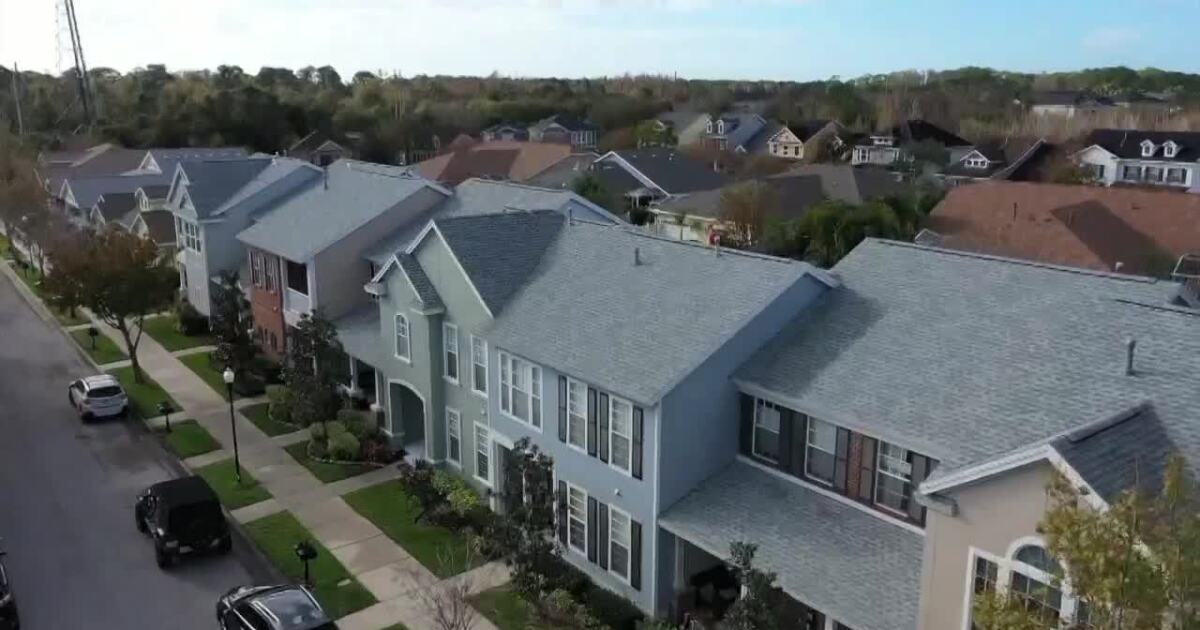
Florida’s property insurance crisis is becoming the defining issue heading into the 2026 election season. Republicans argue that recent reforms are finally stabilizing the market, pointing to reduced litigation and cooling reinsurance costs. Democrats counter that families are still facing unbearable premiums, with condo prices dropping over 8% and Floridians paying some of the highest insurance rates in the nation. As lawmakers prepare to return to Tallahassee, the future of insurance reform is set to become the central political fight—one that will directly impact homeowners, investors, and real estate professionals across the state.
Connectivity has become one of the most powerful differentiators in today’s real estate market. As smart buildings, automation, and sustainability demands accelerate, fiber networks are replacing outdated copper systems and reshaping property value. With lower energy use, unified smart‑building capabilities, reduced long‑term costs, and stronger tenant satisfaction, digital infrastructure is now central to investment strategy. Real estate professionals who understand this shift gain a competitive edge as the industry moves toward cleaner, smarter, more connected buildings.