As the US housing market experiences a significant downturn, with home sales dropping from 5.6 million in 2022 to a mere 4.5 million in 2023, the art of negotiation in real estate has never been more crucial. In this fiercely competitive market, real estate agents, also known as realtors or brokers, are under pressure to seal deals efficiently and accurately.


Contract negotiation in real estate is a complex dance where sellers and buyers, often through their agents, agree on the terms of a property sale. With rising interest rates adding to the market’s challenges, real estate professionals are increasingly turning to automation software to streamline the process.


The Role of Automation in Real Estate Negotiation


Automation tools, such as contract management software, offer several advantages. They enhance process efficiency, reduce the time needed to close deals, and ensure utmost accuracy. By automating workflows, agents can better manage the initial discussions, property showings, and the creation of contracts with necessary clauses or contingencies.


The negotiation process often begins with property viewings and discussions about the asking price. If the buyer’s offer doesn’t meet the seller’s expectations, counteroffers are made. This is where AI-powered templates and tools come into play, helping to reduce document setup time and minimize errors.


Stages of Real Estate Contract Negotiation


The negotiation process involves several stages: initial discussions, property viewings, offer presentation, contract creation, and document management. Once the buyer’s offer is accepted, the sale moves to the “under contract” phase, with contingencies being addressed.


Contingencies, such as appraisal, home inspection, and financing, play a crucial role. They must be satisfied for the deal to proceed. Automation software facilitates these processes, allowing realtors to track changes and manage documents efficiently.


Closing the Deal


The “pending sale” stage indicates that all contingencies are met or waived, leading to the final closing preparations. Automation solutions can revamp this stage, ensuring a seamless transition to the deal’s closure.


With the advent of e-signature software, the finalization process is accelerated, adding an extra layer of security through document tracking. This technology has proven its worth, with over 8.4 million documents signed faster using PandaDoc’s e-sign functionality in 2023.


Real-World Examples


Companies like eXp Realty and Azizi Development have leveraged automation to enhance efficiencies and slash time-to-close. eXp Realty uses HubSpot to manage communications with over 90,000 agents, while Azizi Development reduced their sales cycle time by 70% through Salesforce integrations.


Moreover, firms like Cresa have improved data accuracy by revamping their data management systems, showcasing the transformative power of technology in real estate negotiations.


As the real estate market continues to evolve, the adoption of automation tools becomes not just a competitive advantage but a necessity for realtors aiming to close deals efficiently and effectively.


More Articles

Getting licensed or staying ahead in your career can be a journey—but it doesn’t have to be overwhelming. Grab your favorite coffee or tea, take a moment to relax, and browse through our articles. Whether you’re just starting out or renewing your expertise, we’ve got tips, insights, and advice to keep you moving forward. Here’s to your success—one sip and one step at a time!

2025 Commercial Real Estate Outlook: Navigating a New Era

The commercial real estate landscape is on the brink of transformation as leaders seek to navigate the challenges of recent years and position their organizations for future opportunities.

The Emerging Mental Health Crisis Among Healthcare Workers During the COVID-19 Pandemic

The pandemic has ushered in a wave of mental health challenges that affect healthcare workers profoundly. From the onset of COVID-19, these professionals have been at the forefront, facing immense pressure, long hours, and the constant fear of exposure.

By |December 18, 2024|Categories: Article, Healthcare Workers, Mental Health|Tags: , |0 Comments

Ethical Concerns of Large Language Models in Healthcare

Exploring the dual nature of LLMs offers substantial benefits in healthcare but also raises significant ethical concerns, underscoring the need for well-defined guidelines and human oversight.

The Role of Wearable Devices in Chronic Disease Monitoring and Patient Care: A Comprehensive Review

Wearable devices have become integral in managing chronic conditions by providing continuous health data, empowering patients and healthcare professionals with insights that were previously unattainable.

AI Training Mandates: Navigating Legal Waters in Dentistry

The integration of artificial intelligence (AI) into dental practices is more than a technological trend; it represents a seismic shift in the industry. This transformation is reshaping skill sets and prompting a thorough examination of legal and ethical implications.

By |December 17, 2024|Categories: Article, Legal, Technology|Tags: , |0 Comments

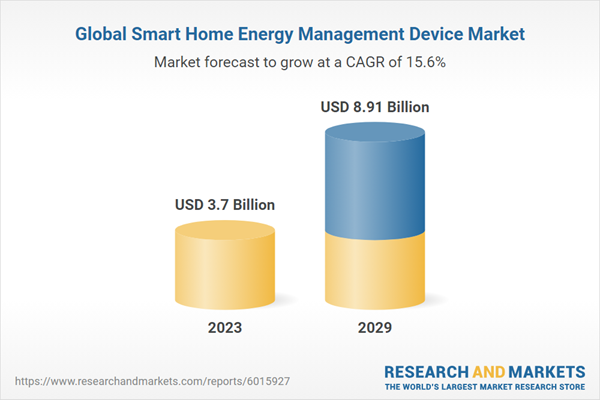
Smart Home Energy Management Devices: A Market Poised for Growth

The Global Smart Home Energy Management Device Market is on the brink of a significant transformation, driven by escalating demands for energy-efficient solutions and the increasing adoption of smart home technologies.