As the US housing market experiences a significant downturn, with home sales dropping from 5.6 million in 2022 to a mere 4.5 million in 2023, the art of negotiation in real estate has never been more crucial. In this fiercely competitive market, real estate agents, also known as realtors or brokers, are under pressure to seal deals efficiently and accurately.


Contract negotiation in real estate is a complex dance where sellers and buyers, often through their agents, agree on the terms of a property sale. With rising interest rates adding to the market’s challenges, real estate professionals are increasingly turning to automation software to streamline the process.


The Role of Automation in Real Estate Negotiation


Automation tools, such as contract management software, offer several advantages. They enhance process efficiency, reduce the time needed to close deals, and ensure utmost accuracy. By automating workflows, agents can better manage the initial discussions, property showings, and the creation of contracts with necessary clauses or contingencies.


The negotiation process often begins with property viewings and discussions about the asking price. If the buyer’s offer doesn’t meet the seller’s expectations, counteroffers are made. This is where AI-powered templates and tools come into play, helping to reduce document setup time and minimize errors.


Stages of Real Estate Contract Negotiation


The negotiation process involves several stages: initial discussions, property viewings, offer presentation, contract creation, and document management. Once the buyer’s offer is accepted, the sale moves to the “under contract” phase, with contingencies being addressed.


Contingencies, such as appraisal, home inspection, and financing, play a crucial role. They must be satisfied for the deal to proceed. Automation software facilitates these processes, allowing realtors to track changes and manage documents efficiently.


Closing the Deal


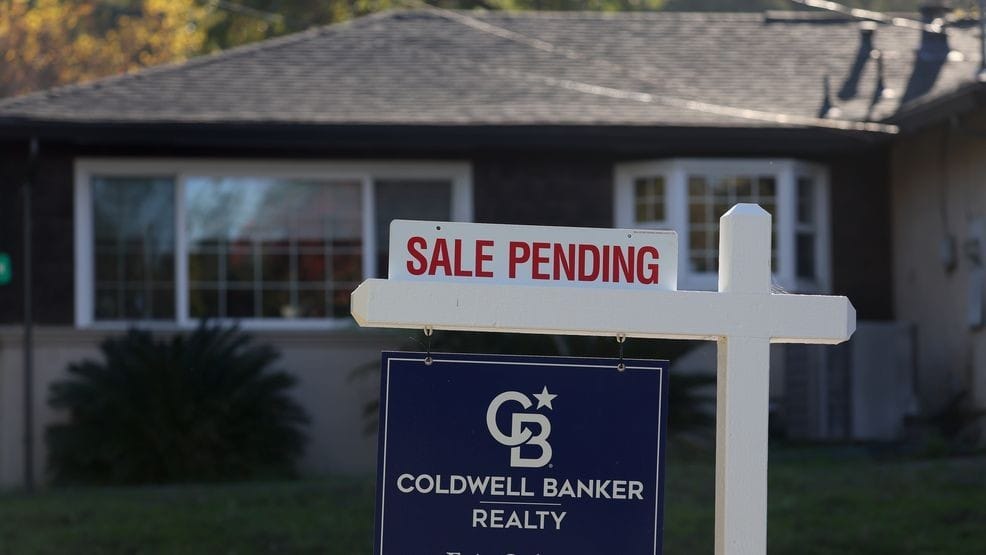
The “pending sale” stage indicates that all contingencies are met or waived, leading to the final closing preparations. Automation solutions can revamp this stage, ensuring a seamless transition to the deal’s closure.


With the advent of e-signature software, the finalization process is accelerated, adding an extra layer of security through document tracking. This technology has proven its worth, with over 8.4 million documents signed faster using PandaDoc’s e-sign functionality in 2023.


Real-World Examples


Companies like eXp Realty and Azizi Development have leveraged automation to enhance efficiencies and slash time-to-close. eXp Realty uses HubSpot to manage communications with over 90,000 agents, while Azizi Development reduced their sales cycle time by 70% through Salesforce integrations.


Moreover, firms like Cresa have improved data accuracy by revamping their data management systems, showcasing the transformative power of technology in real estate negotiations.


As the real estate market continues to evolve, the adoption of automation tools becomes not just a competitive advantage but a necessity for realtors aiming to close deals efficiently and effectively.


More Articles

Getting licensed or staying ahead in your career can be a journey—but it doesn’t have to be overwhelming. Grab your favorite coffee or tea, take a moment to relax, and browse through our articles. Whether you’re just starting out or renewing your expertise, we’ve got tips, insights, and advice to keep you moving forward. Here’s to your success—one sip and one step at a time!

Florida’s Insurance Wake‑Up Call: Why Reading Your Policy Matters More Than You Think

Many Floridians are discovering after major hurricanes that what they assumed was covered by their insurance simply isn’t. With more than 100,000 claims denied or closed without payment and widespread confusion over gaps like flood versus hurricane coverage, experts warn that the fine print can hit harder than the storm itself. As premiums rise and policies grow more complex, understanding what’s actually protected has become essential for homeowners and real estate professionals alike.

The Strongest October Housing Market in 3 Years: What Zillow’s New Report Means for Today’s Pros

A new report from Zillow shows the U.S. just experienced its strongest October housing market since 2021, with inventory rising, affordability improving, and both new listings and pending sales up 5% year-over-year. Nineteen major markets now favor buyers—nine more than last year—as mortgage rates ease, inventory rebounds, and home values level off. For real estate professionals, especially in Florida, these shifts signal a market gaining momentum heading into 2025 and beyond.

Top Commercial Real Estate Issues to Watch in 2026

Commercial real estate is heading into 2026 with major shifts in policy, technology, investment flows, and market fundamentals. From tightening capital sources and AI-driven decision-making to nationwide housing shortages and a looming wave of maturing debt, professionals across real estate, finance, insurance, and development must adapt quickly. These trends will shape opportunities, risks, and required skills in the year ahead—making strategic education and licensing upgrades more important than ever.

Wall Street on Edge After Cyberattack Exposes Sensitive Real Estate and Mortgage Data

A major cyberattack on real‑estate data giant SitusAMC has triggered emergency responses across Wall Street, exposing sensitive loan records and legal documents tied to major banks like JPMorgan and Citigroup. While operations have been restored, the breach highlights critical weaknesses in third‑party vendors that support the nation’s real‑estate and mortgage infrastructure. Federal investigators and financial institutions are now racing to assess the fallout as experts warn of long‑term risks to the digital systems underpinning multi‑trillion‑dollar lending markets.

Australia’s Commercial Real Estate Market Is Transforming — What Professionals Need to Know Now

Australia’s commercial real estate sector is undergoing a major long‑term shift driven by hybrid work, booming logistics demand, sustainability priorities and evolving global capital flows. With the market projected to grow from USD 11.96 billion in 2024 to USD 21.03 billion by 2033, the biggest opportunities are emerging in industrial assets, ESG‑certified buildings, flexible workspaces and adaptive reuse projects. These trends echo changes developing in the U.S.—including Florida—making Australia a valuable case study for professionals watching the future of commercial real estate.

How Chat‑Based AI Is Revolutionizing Real Estate Listing Photos

A new wave of chat‑driven AI tools is transforming how agents market properties by letting them edit listing photos simply by describing what they want changed. From removing clutter to adjusting lighting or staging entire rooms, professionals can now showcase a unit’s full potential long before it’s camera‑ready. This technology boosts efficiency for property managers, enhances buyer engagement through interactive visuals, and underscores the importance of transparency as AI becomes a core part of real estate marketing.