In the rapidly evolving world of finance, central bank digital currencies (CBDCs) are emerging as a transformative force. A CBDC is a digital representation of a nation’s fiat currency, issued and regulated by its central bank. Unlike the volatile nature of cryptocurrencies, CBDCs aim to maintain a stable value tied directly to the country’s existing currency.

Countries around the globe, from the Bahamas to China, are actively exploring or have already initiated CBDC projects. The primary objective is to enhance financial inclusion, offering secure and efficient payment options for those without access to traditional banking systems. As noted in a report by the U.S. Federal Reserve, CBDCs have the potential to significantly reduce cross-border transaction costs, bolster the international standing of dominant currencies like the dollar, and simplify access to financial services.

However, this shift to digital currencies also presents several challenges. Privacy concerns, potential cybersecurity threats, and the impact on existing banking structures are critical issues that need careful consideration. Ensuring robust cybersecurity frameworks and balancing transaction monitoring to prevent financial crimes are essential steps in this journey.

CBDCs are categorized into two main types: wholesale and retail. Wholesale CBDCs are typically used by financial institutions for interbank transactions, while retail CBDCs are consumer-focused, allowing potentially anonymous transactions using public or private keys.

While smaller nations like Jamaica, Nigeria, and the Bahamas have already implemented CBDCs, larger economies and groups like the G20 are still in the exploratory stages, assessing the implications for monetary policy and financial stability.

For more in-depth information, the original article can be found on Investopedia.

More Articles

Getting licensed or staying ahead in your career can be a journey—but it doesn’t have to be overwhelming. Grab your favorite coffee or tea, take a moment to relax, and browse through our articles. Whether you’re just starting out or renewing your expertise, we’ve got tips, insights, and advice to keep you moving forward. Here’s to your success—one sip and one step at a time!

Palm Beach: A Real Estate Renaissance

In the sun-drenched locale of Palm Beach, South Florida, a compelling narrative is unfolding in the world of real estate. The "Palm Beach State of the Market" event, hosted by Bisnow, offers a panoramic view of the current dynamics shaping the region's real estate landscape.

By |October 15, 2024|Categories: Article, Events, Real Estate|Tags: , |0 Comments

Real Estate’s Resilience Amidst Economic Turbulence

In a riveting discussion at the Fortune Future of Finance conference, real estate experts explored the durability of the housing market despite numerous economic pressures, likening it to "defying gravity."

Unraveling the Affordable Housing Crisis Through Zoning Reforms

The affordable housing crisis in the United States is a complex issue, and no single solution can address it entirely. However, many cities are increasingly looking to zoning reform as a pivotal strategy to boost housing supply.

By |October 15, 2024|Categories: Affordable Housing, Article, Zoning Reform|Tags: , |0 Comments

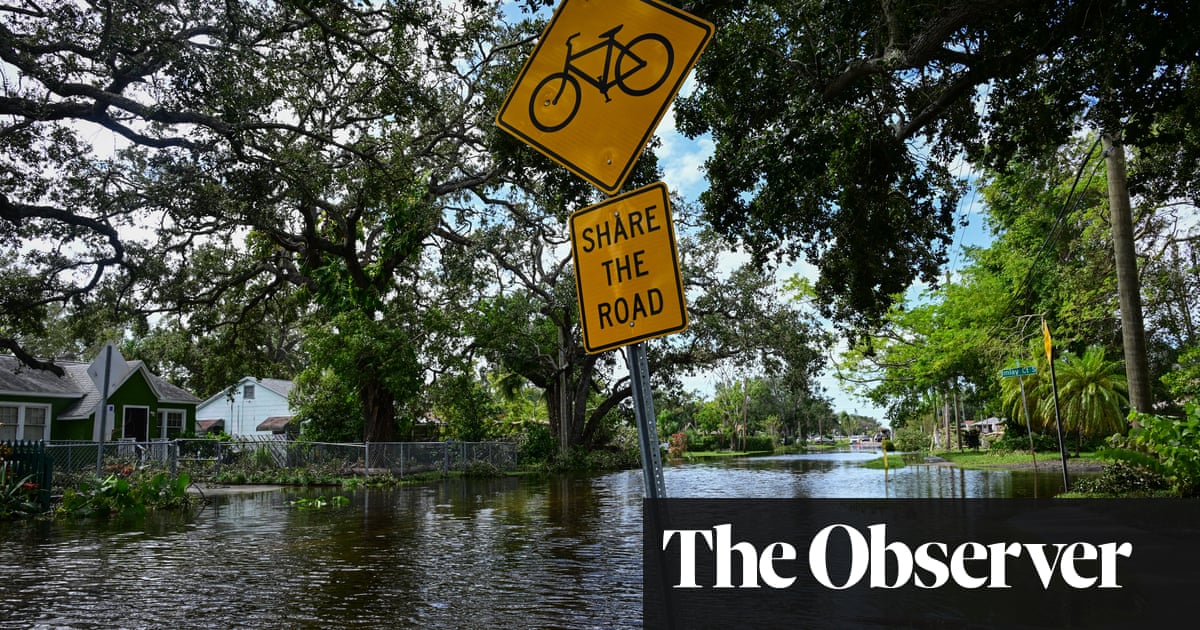
Florida Struggling to Regain Footing After Consecutive Hurricanes

The human toll is staggering: approximately 250 lives lost, countless homes destroyed, and millions left without power.

By |October 14, 2024|Categories: Article, Economics, Environment|Tags: , |0 Comments

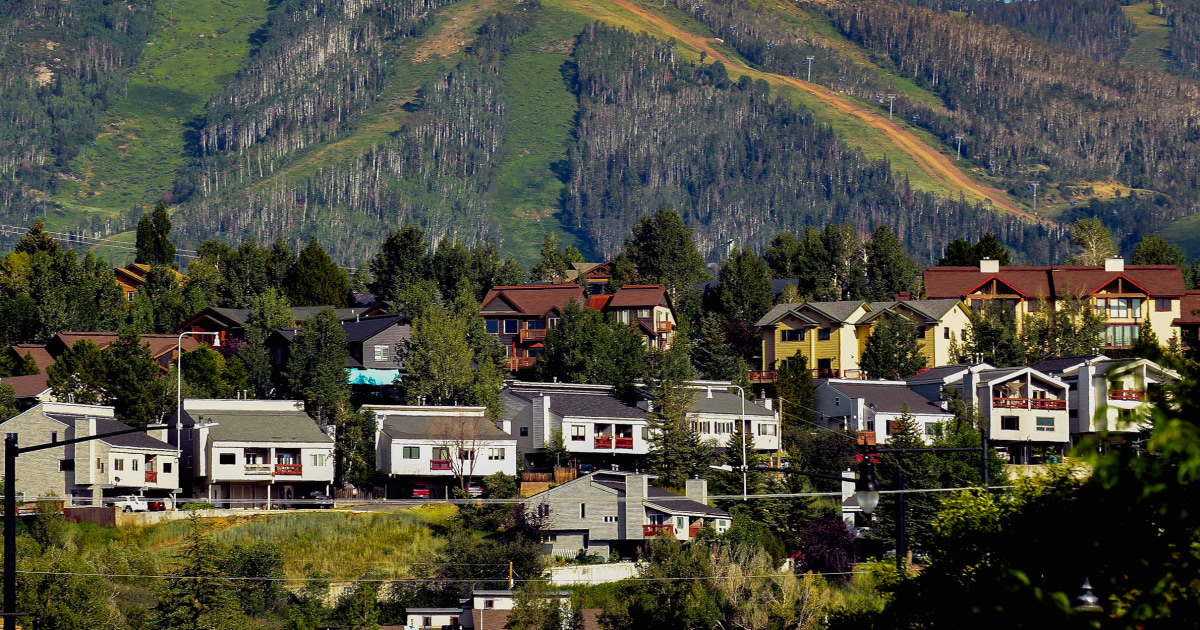
The Housing Dilemma in Steamboat Springs

Steamboat's identity as a small-town Western haven is at risk. The town, once known for its affordability compared to places like Vail, is now facing a real estate crisis.

By |October 14, 2024|Categories: Article, Community Development, Real Estate|Tags: , |0 Comments

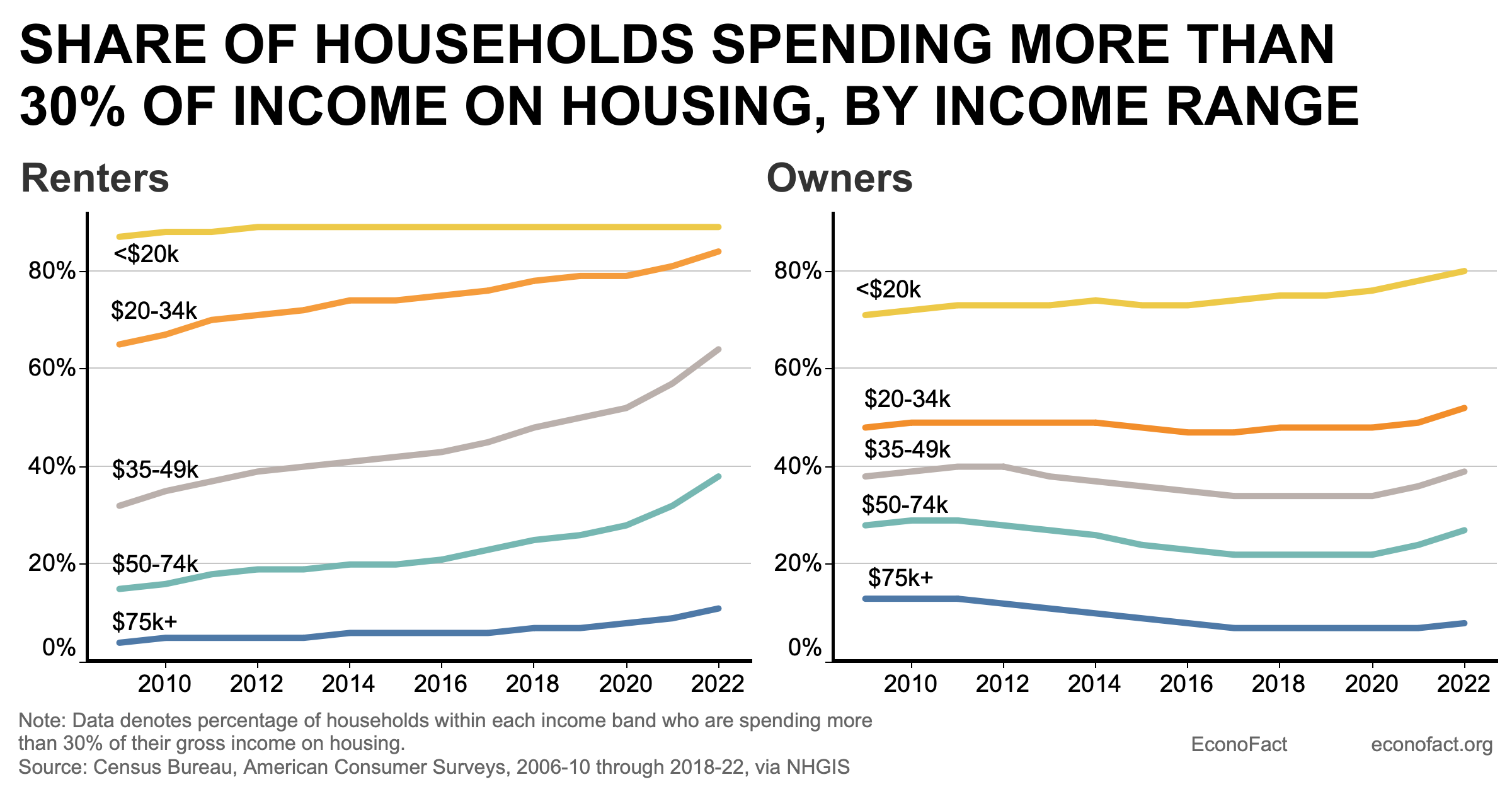
Hitting Home: Housing Affordability Crisis in the U.S.

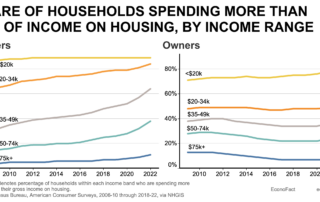
The American housing market is grappling with a crisis of affordability that is reshaping the landscape of homeownership and renting. With median house prices now six times the median income—up from four to five times two decades ago—the dream of homeownership is slipping away for many.