“`html

Understanding the Emergence of Central Bank Digital Currencies

Central bank digital currencies (CBDCs) are reshaping the financial landscape, emerging as a pivotal innovation in the digital age. Unlike decentralized cryptocurrencies, CBDCs are digital forms of a nation’s fiat currency, issued and regulated by central banks. This distinction ensures stability and trust, akin to traditional money.

Exploration and Implementation

Around the globe, countries are actively exploring the integration of CBDCs into their financial systems. This forward-thinking move aims to enhance financial inclusion, streamline cross-border transactions, and provide a stable alternative to the volatile cryptocurrency market. Nations such as Jamaica, Nigeria, and The Bahamas have already implemented CBDCs, signaling a new era in digital finance. These currencies maintain the core attributes of fiat money while leveraging the efficiencies of distributed ledger technologies. Cbdc image

Key Advantages of CBDCs

CBDCs offer a myriad of benefits. For consumers, they promise enhanced convenience and security in financial transactions, reducing dependence on physical cash. Central banks, meanwhile, gain a powerful tool to implement monetary policies, manage inflation, and establish direct connections with the public. Additionally, CBDCs can bolster the global standing of a nation’s currency, exemplified by the enduring influence of the U.S. dollar.

Challenges and Considerations

The path to widespread CBDC adoption is not without its challenges. Concerns about privacy, cybersecurity, and the impact on existing financial systems are paramount. These issues must be addressed to prevent potential destabilization of current monetary frameworks. As highlighted in the original article, the balance between innovation and stability is crucial.

The Way Forward

Despite these hurdles, the move towards digital currencies marks a transformative phase for global economies. As more countries embark on pilot programs and develop the necessary technological infrastructure, the financial landscape continues to evolve. This evolution promises a more inclusive and efficient future for transactions and economic operations worldwide.
For a deeper dive into the intricacies of CBDCs and their global impact, visit the comprehensive exploration available at Investopedia. “`

More Articles

Getting licensed or staying ahead in your career can be a journey—but it doesn’t have to be overwhelming. Grab your favorite coffee or tea, take a moment to relax, and browse through our articles. Whether you’re just starting out or renewing your expertise, we’ve got tips, insights, and advice to keep you moving forward. Here’s to your success—one sip and one step at a time!

Artificial Intelligence in Diagnostics: A Revolution in Healthcare

The global market for artificial intelligence in diagnostics is poised for remarkable growth, with projections estimating it to reach USD 7.3 billion by 2032.

By |December 10, 2024|Categories: Article, Artificial Intelligence, Healthcare|Tags: , |0 Comments

Revolutionizing Medical Education with Extended Reality

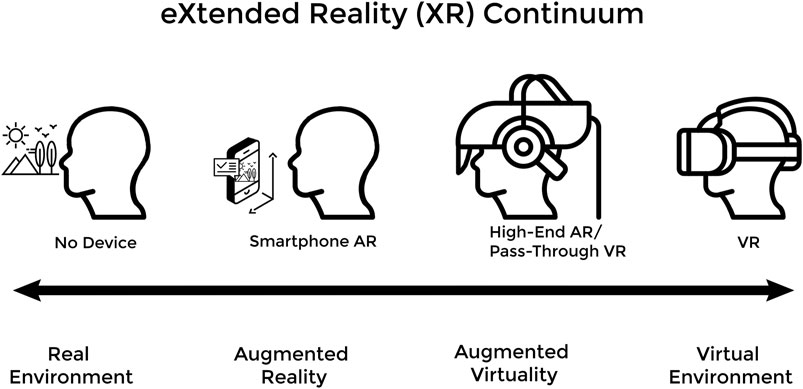
In the ever-evolving landscape of medical education, a new player has emerged, promising to revolutionize the way future doctors are trained. The integration of eXtended Reality (XR) technologies is reshaping the educational landscape by addressing the limitations of traditional methods.

Genetic Testing: A New Dawn in Healthcare

Genetic testing represents more than just a scientific advancement; it signifies a fundamental shift in how we approach health and wellness.

Sustainable Architecture: Blending Innovation with Ecological Responsibility

The journey toward sustainable architecture is ongoing, with each project serving as a beacon of what's achievable when creativity meets ecological awareness.

By |December 9, 2024|Categories: Architecture, Article, Sustainability|Tags: |0 Comments

AI in Clinical and Molecular Diagnostics: A Market on the Rise

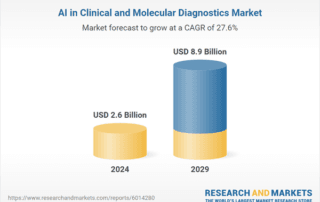
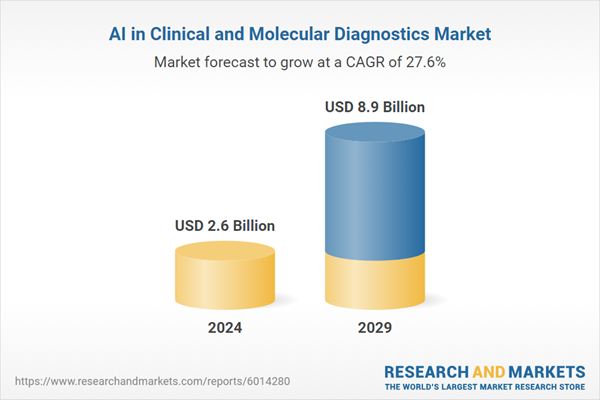
AI in Clinical and Molecular Diagnostics Market is set to experience remarkable growth, projected to surge from USD 2.6 billion in 2024 to USD 8.9 billion by 2029. This growth is driven by the integration of advanced AI technologies such as machine learning and deep learning into traditional diagnostic methodologies like imaging, genomics, and laboratory testing.

AI: A Revolution in Healthcare’s Future

AI is not a distant dream but a present reality, already integrated into everyday life through virtual assistants like Alexa and Siri. AI shows promise in enhancing medical accuracy, such as in predicting mesothelioma survival and improving colonoscopy accuracy, it is not intended to replace healthcare professionals.