In recent years, the rise of Decentralised Finance (DeFi) has signaled a seismic shift in the financial landscape, leveraging blockchain technology to disrupt traditional financial systems. This innovative approach offers financial services without intermediaries, bringing unprecedented levels of transparency, accessibility, and efficiency to the sector.
Opportunities Unlocked by DeFi
DeFi is poised to revolutionize financial inclusion by extending services to those previously excluded from traditional banking systems. By eliminating identification and geographical barriers, DeFi empowers individuals in underserved regions to engage in saving, borrowing, and investing.
Moreover, DeFi’s peer-to-peer model removes the need for centralized intermediaries, significantly reducing fees and enhancing efficiency. The transparency inherent in blockchain technology allows for open auditing of all transactions, reducing opportunities for fraud and corruption.
DeFi also introduces programmability and automation through smart contracts, paving the way for innovative financial instruments such as Automated Market Makers (AMMs), yield farming, and decentralized insurance.
Challenges on the Horizon
Despite its potential, DeFi faces substantial challenges, primarily in the areas of regulation, security, and scalability. The decentralized and borderless nature of DeFi complicates regulatory oversight, necessitating a delicate balance to protect consumers while fostering innovation.
Security remains a critical concern, as the open and complex nature of smart contracts makes the ecosystem vulnerable to hacks. Additionally, as DeFi adoption grows, there is an urgent need for more advanced infrastructure to support increased transaction volumes.
The user experience also presents a hurdle, with current platforms being anything but user-friendly for the average individual. Enhancements in user interface and experience are crucial for broader DeFi adoption.
DeFi’s Disruptive Promise
DeFi platforms are already challenging traditional banking models by enabling direct lending and borrowing without intermediaries. This shift is particularly impactful in developing markets, where traditional institutions may be less prevalent.
Furthermore, stablecoins are transforming payments and remittances, offering faster and more cost-effective cross-border transactions compared to conventional banking systems. DeFi also introduces decentralized insurance platforms, providing new methods for risk management without reliance on traditional insurers.
As highlighted in a recent FinTech Futures article, the rise of DeFi marks the beginning of a fundamental shift in our interaction with financial systems. While the challenges are formidable, the opportunities for financial inclusion, efficiency, and innovation are immense.
About the Author
Hesham Zreik, a renowned investor and entrepreneur, was recognized by Forbes in 2018 as one of the top 50 investors. With investments in over 100 startups and co-founding more than 40, Zreik is the founder and CEO of FasterCapital, an online incubator that supports startups in raising capital.
More Articles
Getting licensed or staying ahead in your career can be a journey—but it doesn’t have to be overwhelming. Grab your favorite coffee or tea, take a moment to relax, and browse through our articles. Whether you’re just starting out or renewing your expertise, we’ve got tips, insights, and advice to keep you moving forward. Here’s to your success—one sip and one step at a time!
With increasing governmental and private investments, the demand for precision medicine is expected to rise steadily. The commitment to addressing chronic conditions, coupled with strategic industry collaborations and advanced diagnostic tools, will sustain market growth.
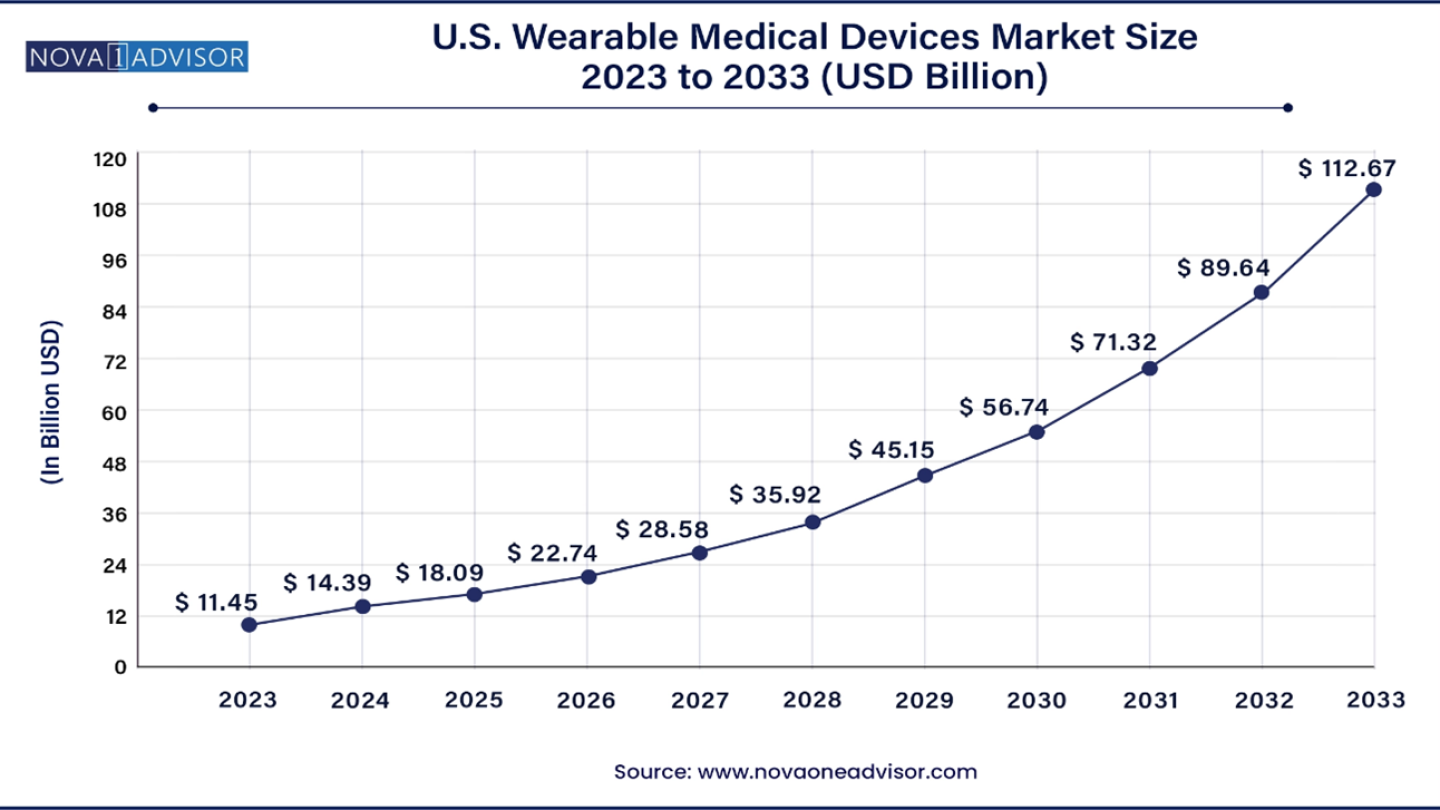
The U.S. wearable medical devices market, currently valued at an estimated $11.45 billion in 2023, is set to experience an astronomical rise to approximately $112.67 billion by 2033.
The real estate market is on the brink of transformation, captivating the attention of buyers, sellers, investors, and industry professionals. As we look toward the end of 2024, experts predict a shift in the landscape, particularly with home prices expected to decline due to increased inventory levels.
According to the World Health Organization (WHO), nearly two billion people in rural and remote areas worldwide lack access to essential healthcare solutions. This staggering statistic highlights a critical issue: the digital divide that limits telehealth services, primarily due to inadequate broadband access.
As AI becomes a staple in medical practice, it carries the risk of reinforcing existing biases entrenched in historical data. These biases can lead to skewed outcomes, particularly affecting marginalized communities such as the LGBTQIA+ and certain ethnic groups.
A groundbreaking study published in Volume 15 of Oncotarget on October 11, 2024, titled 'Relationship between the expressions of DLL3, ASC1, TTF-1 and Ki-67: First steps of precision medicine at SCLC' showcases pivotal advancements in the fight against small cell lung cancer (SCLC).