In the ever-evolving landscape of higher education, online learning has steadily gained traction since its inception in the 1990s, emerging as a flexible and accessible option for students worldwide. As we look towards 2025, Forbes Advisor has meticulously assessed over 3,400 U.S. higher education institutions to identify the top 10 online colleges, focusing on factors such as affordability, credibility, student outcomes, and student experience.
The rise of online learning can be attributed to its ability to accommodate students who face barriers to traditional on-campus experiences. Whether due to geographical constraints, work commitments, or personal preferences, online education offers a viable alternative for many. The Forbes article highlights this trend, noting the sophistication and popularity that online learning has achieved over the years.
Among the top-ranked institutions, the University of Central Florida stands out, offering a diverse range of online bachelor’s programs. With more than 30 majors, 35 minors, and 20 undergraduate certificates, UCF provides a customizable educational experience. The university’s strong retention and graduation rates further underscore its commitment to student success.
Another notable mention is Florida State University, which boasts the second-lowest average in-state tuition on the list. Its robust online offerings, combined with a high retention rate, make it an attractive option for budget-conscious students. The university’s focus on synchronous and asynchronous coursework fosters a rich environment for peer-to-peer interaction.
CUNY Lehman College also features prominently, excelling in social and economic mobility. The college’s support for Pell Grant recipients, who graduate at rates higher than the school’s average, highlights its dedication to fostering success among lower-income students.
As online education continues to evolve, it is clear that it has become a legitimate and desirable alternative to traditional learning. The Forbes article provides a comprehensive overview of the best online colleges for 2025, emphasizing the transformation of online learning into a platform that rivals its on-campus counterparts in quality and rigor.
More Articles
Getting licensed or staying ahead in your career can be a journey—but it doesn’t have to be overwhelming. Grab your favorite coffee or tea, take a moment to relax, and browse through our articles. Whether you’re just starting out or renewing your expertise, we’ve got tips, insights, and advice to keep you moving forward. Here’s to your success—one sip and one step at a time!
AI-powered sentiment analysis is giving real estate investors a major edge by scanning millions of online conversations to detect market shifts long before traditional data responds. From predicting neighborhood momentum to spotting declining tenant satisfaction, this technology captures real-time public emotion across office, retail, and multifamily sectors. As trends in sentiment become as important as demographics and NOI, professionals who understand these tools will stay ahead of the next market move.
Florida lawmakers are racing toward a high-stakes finish to the legislative session as a sweeping property tax overhaul triggers fierce debate. The House is pushing to eliminate most non-school property taxes on primary homes, while the Senate urges caution and Gov. Ron DeSantis floats even bigger changes. With Democrats warning of budget crises and only weeks left to strike a deal, the future of Florida’s tax structure—and its real estate market—hangs in the balance.
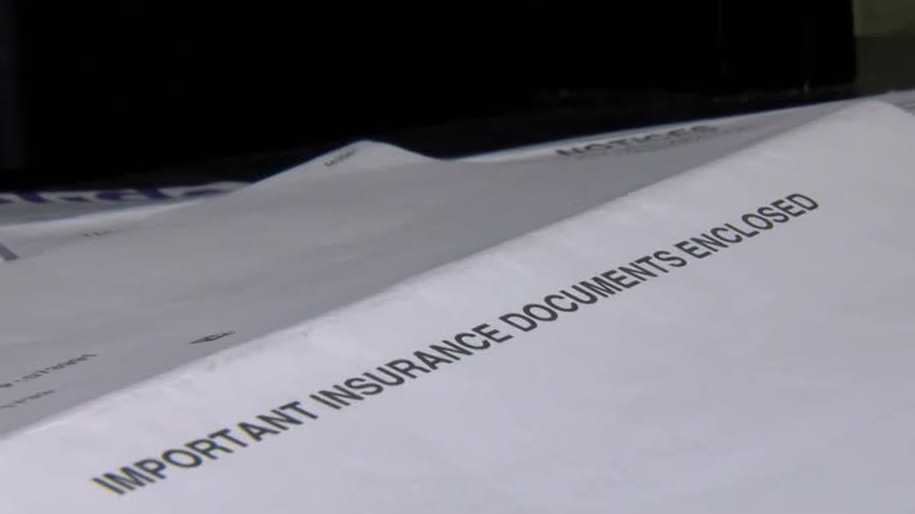
Florida homeowners are getting rare financial relief as the emergency insurance assessment—added after multiple insurers collapsed post‑Hurricane Ian—has been paid off two years early. The early payoff wipes out the charge of about $30 per household per year and delivers more than $650 million in statewide savings. With the insurance market stabilizing faster than expected, real estate and insurance professionals can expect a slightly more favorable environment for buyers and policyholders alike.
After years of pandemic‑driven disruption, rising vacancies, and interest‑rate volatility, confidence is finally returning to commercial real estate. Major analysts report that leasing activity is accelerating, investor appetite is rising, and high‑quality properties are leading the rebound. With investment volumes expected to jump and vacancies beginning to fall, 2026 is shaping up to be the long‑awaited turning point for the industry.
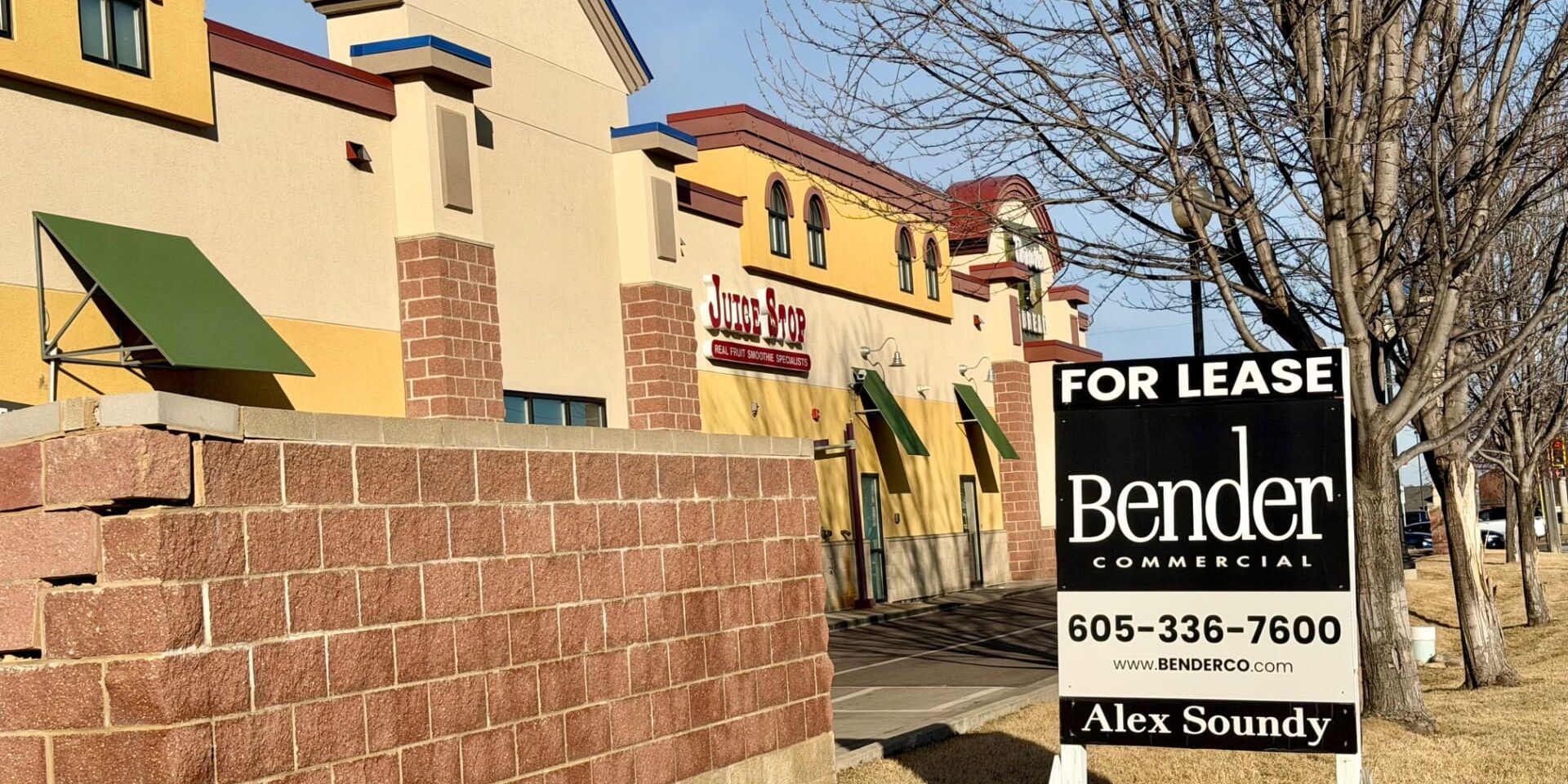
Sioux Falls enters 2026 with a commercial real estate market outperforming nearly every regional competitor. Fueled by strong fundamentals, major private investment, and confidence across all sectors, the city is positioned for what experts call “white‑hot economic activity.” From booming land sales and rising retail absorption to stabilizing office and industrial sectors, the metro’s momentum is undeniable—making it a prime environment for real estate professionals and investors looking for opportunity.
Florida lawmakers have advanced HB 767, a major insurance transparency bill that would create a statewide online rate database, boost consumer education, and prevent insurers from using land value to inflate premiums. The proposal promises clearer insurance data and stronger accountability—bringing much‑needed relief and insight to homeowners, real estate agents, mortgage professionals, and insurance producers across the state.