The Rise of Starch-Based Bioplastics: A Sustainable Packaging Solution
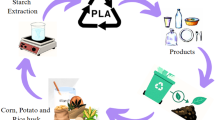
In a world increasingly concerned with the environmental impact of traditional plastics, a groundbreaking study has emerged, offering a glimmer of hope in the form of starch-based bioplastics. This study, published in Nature just two months ago, delves into the potential of these biodegradable alternatives as a sustainable packaging solution.
The research, led by Manoj Kumar Gurunathan and Rajesh Jesudoss Hynes Navasingh, explores the development of bioplastics using natural resources like corn starch, sorbitol, glycerol, and calcium carbonate. Through meticulous experimentation, the team identified an optimal formulation: 9 grams of corn starch, 9 mL of glycerol, and 2.5 grams of calcium carbonate. This combination offers a promising balance of mechanical strength, flexibility, and biodegradability, making it suitable for packaging applications.
The findings are significant, highlighting a critical global shift towards biodegradable plastics in response to the environmental damage caused by petroleum-based plastics. Starch-based bioplastics, with their reduced ecological footprint, present a viable alternative, though challenges remain. Issues such as water solubility and mechanical restrictions require further investigation before these materials can be widely adopted in industrial applications.
Environmental Impact and Future Prospects
The study underscores the urgent need for sustainable materials in the packaging industry. By reducing reliance on petroleum-based plastics, starch-based bioplastics could play a pivotal role in mitigating plastic pollution. However, the path to widespread adoption is not without hurdles. Enhancements in water resistance and mechanical properties are essential for broader industrial use.
As researchers continue to explore the potential of biodegradable materials, the insights from this study contribute to the advancement of sustainable material sciences. The ongoing efforts to address plastic pollution are crucial, and starch-based bioplastics represent a promising step forward in the quest for environmentally friendly packaging solutions.
Getting licensed or staying ahead in your career can be a journey—but it doesn’t have to be overwhelming. Grab your favorite coffee or tea, take a moment to relax, and browse through our articles. Whether you’re just starting out or renewing your expertise, we’ve got tips, insights, and advice to keep you moving forward. Here’s to your success—one sip and one step at a time!
Florida now leads the nation in property insurance costs, with many homeowners paying more than $10,000 a year for shrinking coverage and higher deductibles. Despite nearly half of hurricane‑related claims ending with no payout and appeals failing over 90% of the time, state leaders say reforms “need more time to work.” With key relief bills stalled and real estate professionals feeling the shockwaves, experts warn that legislative inaction is deepening a crisis that threatens homeownership and the state’s economic stability.
Banks are finally calling in billions tied to troubled commercial real estate loans, pushing delinquency rates to historic highs and ending years of “extend and pretend.” With more than 12% of office loans now delinquent and $875 billion in commercial debt maturing in 2026, regional banks and property owners are facing mounting pressure. As valuations drop and refinancing becomes harder, experts warn that tighter lending standards and broader economic ripple effects are on the horizon—making strategic preparation essential for today’s real estate and finance professionals.
Florida policyholders are getting rare good news: the Florida Insurance Guaranty Association is ending its 1% emergency insurance assessment on October 1—two years ahead of schedule. The decision follows a calmer hurricane season, fewer insurer insolvencies, and growing market stability. The early termination is expected to save Floridians up to $650 million, with the average homeowner seeing about $31 in annual savings. This marks another milestone in the state’s insurance market recovery after major legislative reforms in 2022 and 2023.
The real estate industry has officially moved past its AI honeymoon phase. What began as a fun, optional tool has quietly become the backbone of how agents create content, communicate with clients, and market properties. But with that shift comes rising concern about authenticity, legal risks, and whether consumers will start questioning what they’re really paying agents for. As AI blends into everything from listing descriptions to client advice, professionals now face a new challenge: proving the human value behind the technology.
After years of volatility, industry analysts say commercial real estate may finally be on the verge of a major comeback. Investment activity is rising, leasing demand is strengthening, and key cities like Manhattan are leading a broader national recovery. With vacancy rates expected to drop and high‑quality buildings outperforming the rest, 2026 is shaping up to be the turning point investors and professionals have been waiting for.
AM Best warns that the property and casualty insurance market is heading into a more challenging 2026 as premium growth slows, inflation drives up claims costs, and combined ratios rise. Despite a strong 2025, moderating rates, higher repair and construction expenses, and ongoing reserve deficiencies are pressuring profitability. While commercial lines and personal lines both feel the strain, the E&S market continues to expand as traditional carriers pull back. This shifting landscape highlights the need for insurance professionals to stay sharp, informed, and adaptable.