The Rise of Telemedicine: A Double-Edged Sword for Rural Healthcare
The advent of telemedicine has revolutionized healthcare delivery, providing a crucial bridge for patients who find it challenging to physically visit healthcare providers. This technological shift, which saw a significant uptick during the COVID-19 pandemic, has now become an indispensable part of modern healthcare systems.
A recent study spearheaded by Zihan Ye from the University of Tennessee, along with Kimberly Cornaggia from Penn State University and Xuelin Li from Columbia Business School, sheds light on the financial ramifications of telemedicine. The study uncovers some unintended consequences, particularly concerning rural healthcare access.
While urban hospitals, with their superior resources, attract rural patients through remote services, rural healthcare providers are witnessing a decline in patient numbers. This patient migration is affecting their operational decisions and financial health, leading to an alarming rise in rural hospital bankruptcies.
Competition and Financial Strain
The allure of telemedicine has intensified competition among hospitals, often resulting in price wars that favor urban facilities. These urban hospitals, benefiting from a higher influx of telemedicine patients, are typically able to charge more than their rural counterparts. This dynamic not only affects rural hospital revenues but also influences insurance reimbursement strategies, particularly for Medicare and Medicaid, which are notorious for lower payouts.
As urban healthcare facilities reap financial benefits, rural hospitals find themselves grappling with downgraded credit ratings. This financial strain translates to higher bond yields, further exacerbating their economic burdens. Ye emphasizes the urgent need for policy reforms to ensure rural hospitals can partake in the telemedicine boom, preventing further financial distress.
A Call for Balanced Healthcare Access
While telemedicine has undeniably extended healthcare access, Ye cautions both policymakers and patients to consider the economic repercussions that threaten the sustainability of rural healthcare. This reflection underscores the delicate balance required between embracing technological advancements and maintaining equitable healthcare access across all communities.
Getting licensed or staying ahead in your career can be a journey—but it doesn’t have to be overwhelming. Grab your favorite coffee or tea, take a moment to relax, and browse through our articles. Whether you’re just starting out or renewing your expertise, we’ve got tips, insights, and advice to keep you moving forward. Here’s to your success—one sip and one step at a time!
In Florida, the earnings of a real estate agent can vary significantly based on numerous factors including experience, location, and the current state of the housing market. The potential earnings are quite broad, with average salaries ranging from $40,000 to $90,000 per year. However, top-performing agents in high-demand areas can earn well above this range, sometimes exceeding $100,000 annually.
Screening prospective tenants who utilize Section 8 vouchers in Florida requires a thorough understanding of both federal and local laws to ensure compliance and avoid potential legal issues.
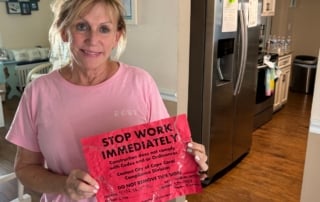
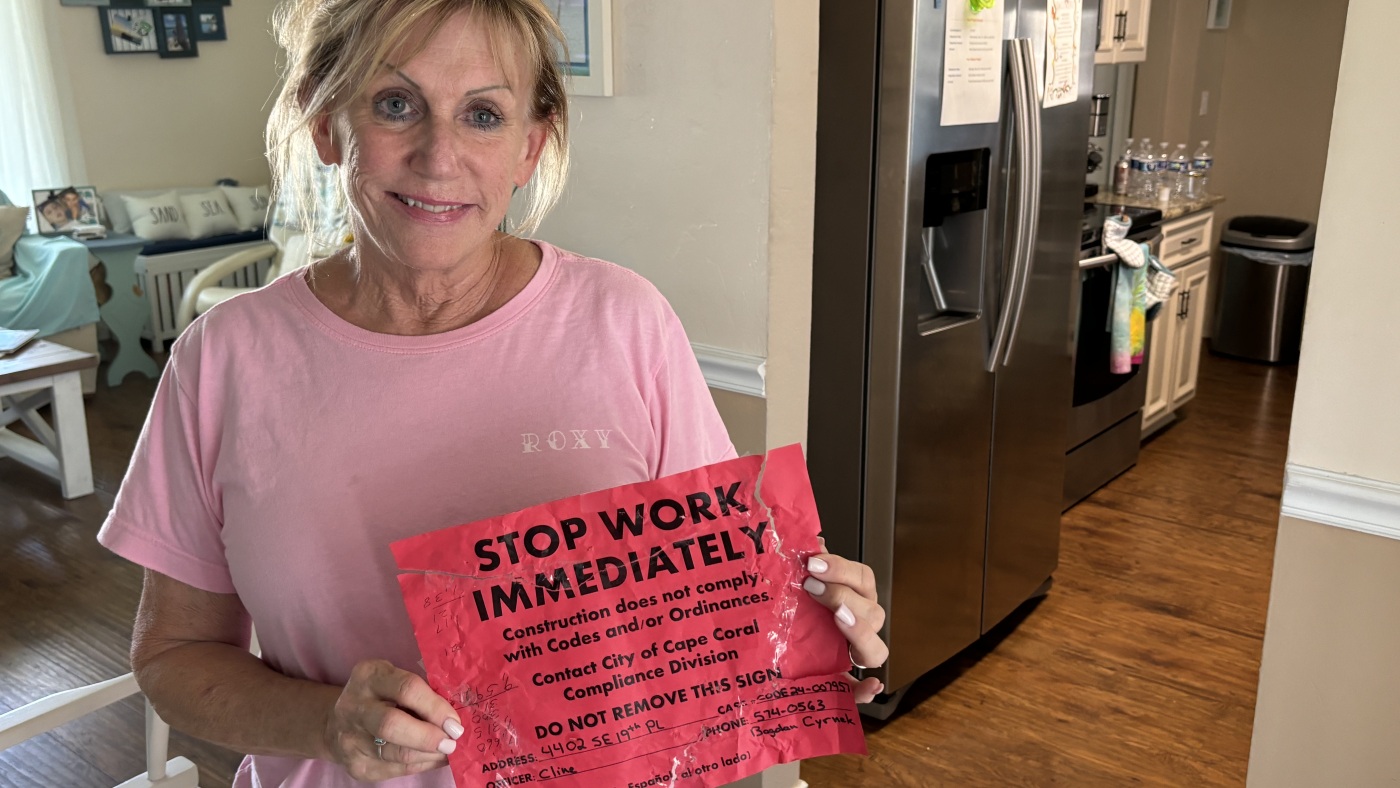
A study by First Street reveals Cape Coral has more properties at risk of flooding than any other city in Florida. Following Hurricane Ian, FEMA withdrew the city's flood insurance discount, blaming improper rebuilding practices.
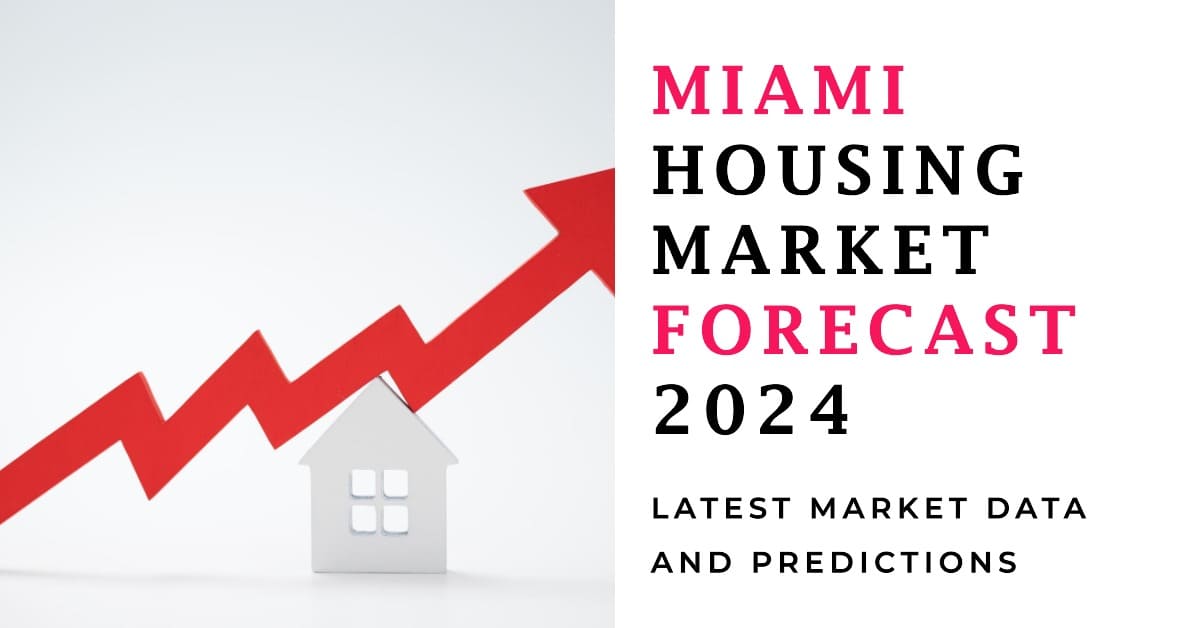
Goldman Sachs Research has projected a notable increase in US home prices, forecasting a 4.5% rise this year and a 4.4% increase in 2025, as the Federal Reserve is expected to implement interest rate cuts.
In the realm of real estate, myths and misconceptions about Section 8 tenants often cloud the judgment of landlords. These stereotypes suggest that Section 8 tenants might damage property or fail to pay rent. However, these risks are inherent in renting to any tenant, not just those participating in the Section 8 program. The key to mitigating these risks lies in a robust and consistent screening process.