The Rise of Telemedicine: A Double-Edged Sword for Rural Healthcare
The advent of telemedicine has revolutionized healthcare delivery, providing a crucial bridge for patients who find it challenging to physically visit healthcare providers. This technological shift, which saw a significant uptick during the COVID-19 pandemic, has now become an indispensable part of modern healthcare systems.
A recent study spearheaded by Zihan Ye from the University of Tennessee, along with Kimberly Cornaggia from Penn State University and Xuelin Li from Columbia Business School, sheds light on the financial ramifications of telemedicine. The study uncovers some unintended consequences, particularly concerning rural healthcare access.
While urban hospitals, with their superior resources, attract rural patients through remote services, rural healthcare providers are witnessing a decline in patient numbers. This patient migration is affecting their operational decisions and financial health, leading to an alarming rise in rural hospital bankruptcies.
Competition and Financial Strain
The allure of telemedicine has intensified competition among hospitals, often resulting in price wars that favor urban facilities. These urban hospitals, benefiting from a higher influx of telemedicine patients, are typically able to charge more than their rural counterparts. This dynamic not only affects rural hospital revenues but also influences insurance reimbursement strategies, particularly for Medicare and Medicaid, which are notorious for lower payouts.
As urban healthcare facilities reap financial benefits, rural hospitals find themselves grappling with downgraded credit ratings. This financial strain translates to higher bond yields, further exacerbating their economic burdens. Ye emphasizes the urgent need for policy reforms to ensure rural hospitals can partake in the telemedicine boom, preventing further financial distress.
A Call for Balanced Healthcare Access
While telemedicine has undeniably extended healthcare access, Ye cautions both policymakers and patients to consider the economic repercussions that threaten the sustainability of rural healthcare. This reflection underscores the delicate balance required between embracing technological advancements and maintaining equitable healthcare access across all communities.
Getting licensed or staying ahead in your career can be a journey—but it doesn’t have to be overwhelming. Grab your favorite coffee or tea, take a moment to relax, and browse through our articles. Whether you’re just starting out or renewing your expertise, we’ve got tips, insights, and advice to keep you moving forward. Here’s to your success—one sip and one step at a time!
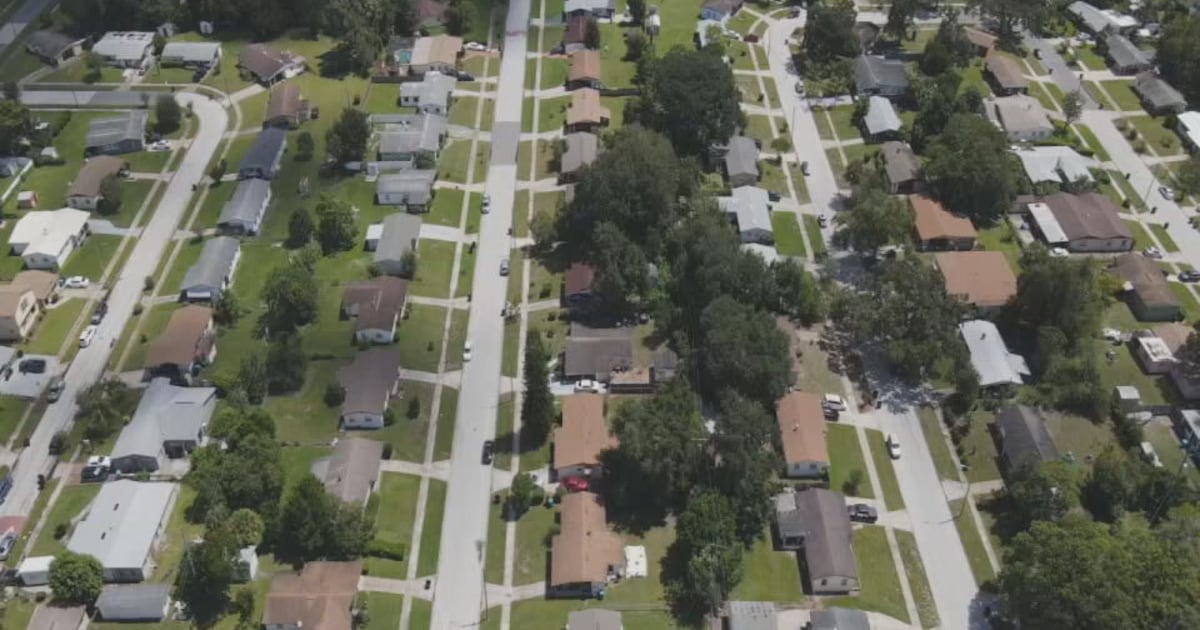
After years of soaring premiums and insurer instability, Florida’s property insurance market is finally turning a corner. Major carriers have filed 83 requests for rate decreases heading into 2026, with companies like Florida Peninsula and Patriot Select proposing cuts of 8.4% and 11.3%. Some homeowners may see relief as early as next month, signaling a long‑awaited shift toward market stability.
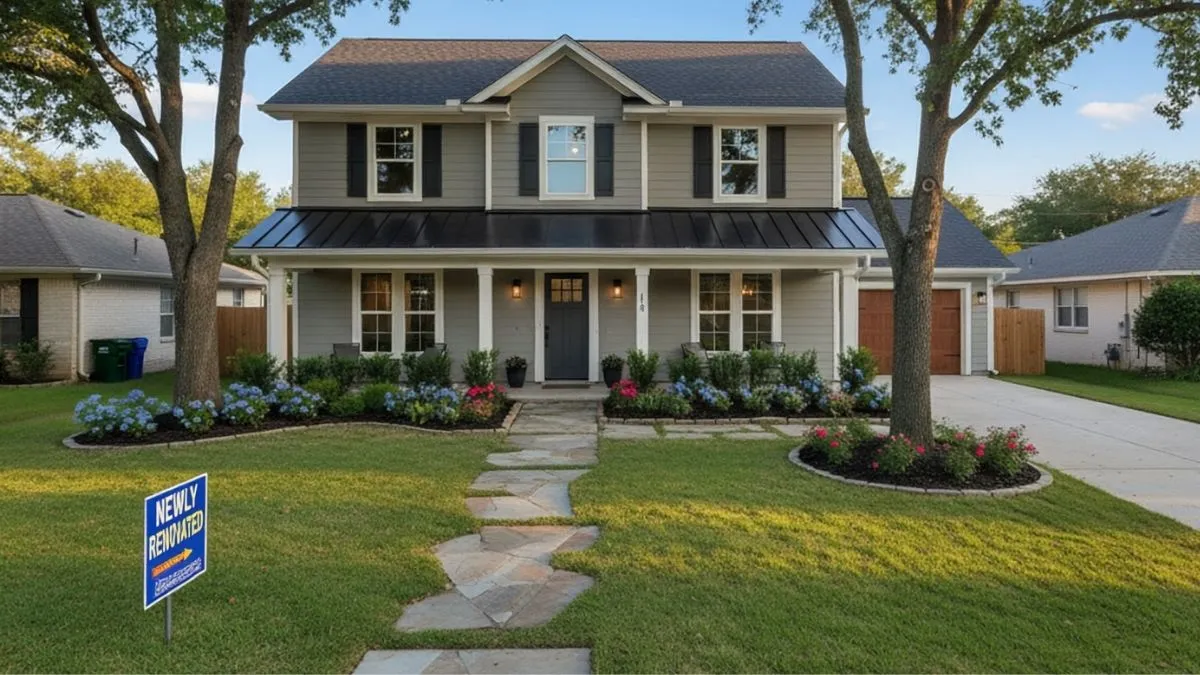
Fix-and-flip investing is gearing up for one of its strongest years in a decade as 2026 approaches. With cheaper capital, more accessible funding, easing interest rates, and long-awaited increases in housing inventory, investors are finding the perfect environment to launch or scale renovation-based real estate businesses. Renovation continues to outpace new construction in cost and speed, and demand for move-in-ready homes remains high, making 2026 a powerful opportunity window for both new and experienced investors.
After a short-lived period of relief in 2025, the U.S. rental market may be headed for a tighter, more expensive 2026. With construction starts dropping nearly 11% and completions plunging 42%, the surge of new apartments that helped lower rents is rapidly drying up. Rising costs, shrinking inventory, and a slowdown in new development point to a potential rental crunch that could leave renters facing heavier competition and higher prices across major markets next year.
The commercial real estate market is entering a rare reset that experts say mirrors the post‑2008 boom, creating a potential window for disciplined investors. With trillions in commercial debt coming due and property values dropping up to 40%, firms like AARE are positioning themselves to acquire assets below replacement cost—an advantage that could set the stage for significant long‑term growth.
Commercial real estate is entering a reinvention phase, with AI‑driven productivity, modernized office demand, experience‑focused retail, expanding industrial logistics, creative housing solutions, and sustainability‑centered design all accelerating nationwide. These six forces are shaping how investors, brokers, and future licensees will operate in a rapidly evolving U.S. market.
After years of economic uncertainty and cautious decision‑making, 2026 is shaping up to be the year professionals finally catch a break. AI is moving from buzzword to essential tool, capital markets are beginning to thaw, and hiring is picking up across real estate, mortgage, insurance, finance, and healthcare. With opportunity returning, many professionals are using this moment to upskill—pursuing new licenses, certifications, and cross‑industry expertise.