The Rising Cost of Disaster: How Insurance Pressures Are Reshaping Florida’s Middle Class and Housing Market
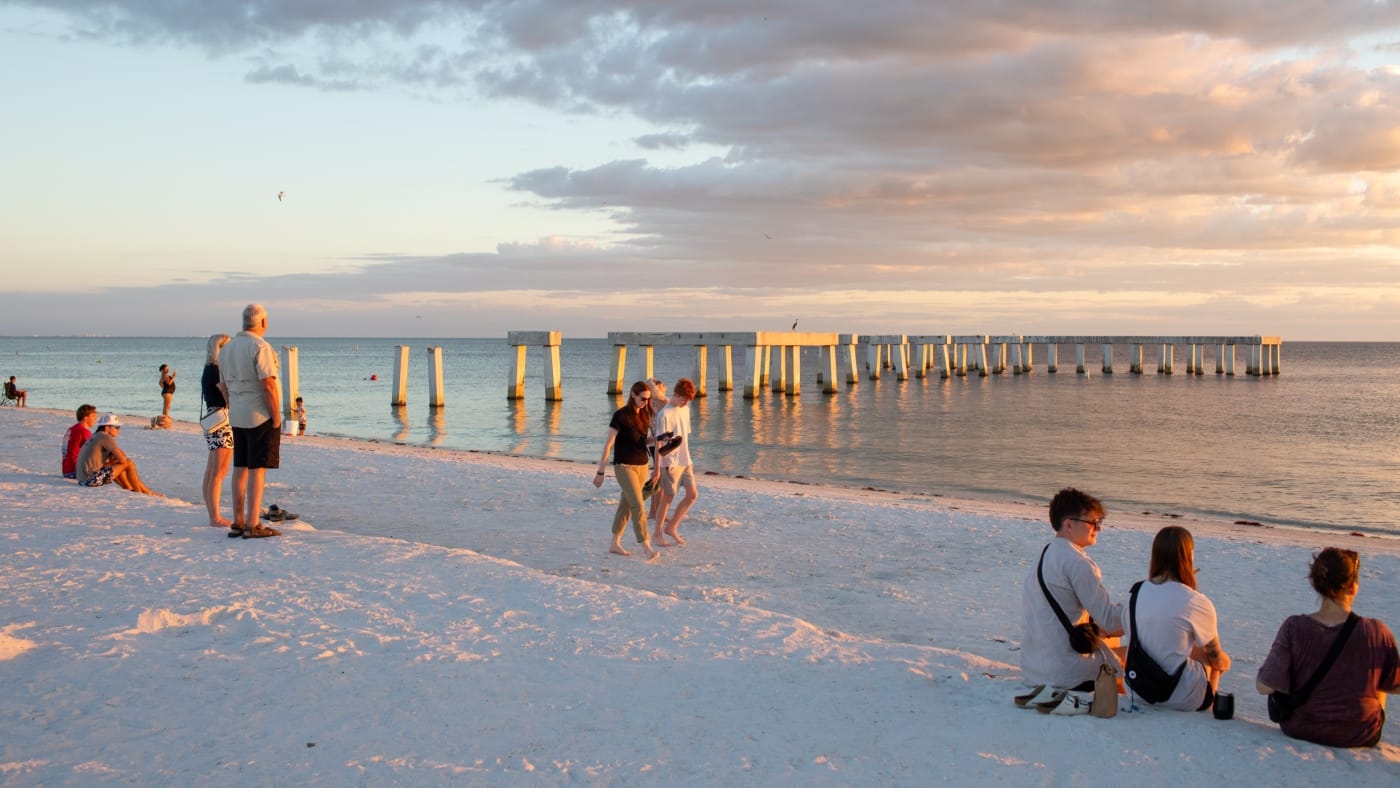
Fort myers beach pier at sunset

Across Southwest Florida, a quiet but powerful economic shift is unfolding. Three years after Hurricane Ian struck Fort Myers Beach, the region is still buzzing with construction — yet longtime residents say the Florida they knew is slipping away. As insurance rates skyrocket and rebuilding costs soar, many middle-class families are finding that the struggle to stay rooted has become harder than ever.

Source Spotlight: This article is inspired by reporting from NPR. Explore the full original story here: NPR: Disaster and Insurance Costs Are Rising.

The Aftermath of Ian: A Town Forever Changed

Fort Myers Beach still echoes with the sounds of jackhammers and construction trucks. For many residents and business owners, the storm’s impact went far beyond physical damage. The loss of countless mom-and-pop hotels, the disappearance of affordable housing, and the pressure to rebuild under tougher structural standards have all shifted the island’s identity.

As new, hurricane-resistant homes rise, they come with higher price tags. And with those price tags come new demographics — often wealthier, often from out of state — leaving longtime residents questioning whether they still belong in the place they once called home.

Insurance: The Pressure Point Breaking Budgets

Insurance, once a manageable line item in a homeowner’s budget, has ballooned into a financial burden for many Floridians. With average premiums surpassing $5,700 a year — far above the national average — homeowners face a stark choice: pay, adapt, or move.

Realtors across Lee County report that insurance is driving deals, delaying closings, and in some cases leading homeowners to sell altogether. Even inland areas, once considered safe havens from storm surge, have seen rising flood and home insurance rates that push families to the brink.

Did You Know? In some neighborhoods, the cost of flood insurance has doubled. Many homeowners now pay over $10,000 a year for combined flood and homeowners coverage.

A Growing Threat of Foreclosures

With home values declining and insurance bills rising, many middle-class families are walking a financial tightrope. Realtors warn that if the economy tightens further, the region may see a wave of foreclosures that echo the aftermath of past economic downturns.

The stress is not evenly distributed. Renters, too, are feeling the pressure as landlords pass rising insurance costs onto tenants. Many who moved to Southwest Florida seeking affordability now say they’re reconsidering whether they can stay.

The Bigger Picture: A National Trend With Local Consequences

Although Florida stands at the center of this crisis, insurance premiums are rising across the country due to climate-driven disasters. Wildfires, floods, storms, and hurricanes all contribute to higher risk — and higher rates. But with such a large share of Florida’s population living in coastal zones, the Sunshine State is feeling the impact more intensely than most.

Economists warn that falling home values could reduce property tax revenues, threatening the fiscal stability of many local governments. For cities rebuilding after major storms, this presents a long-term challenge that will shape development for years to come.

Where Professionals Go From Here

For real estate agents, mortgage brokers, insurance specialists, and financial professionals, this evolving landscape requires a deeper understanding of risk, regulation, and consumer education. Homebuyers need guidance. Sellers need options. Renters need clarity. And every professional in the field needs to stay ahead of a rapidly changing market.

Florida’s real estate environment isn’t disappearing — but it is transforming. Those who thrive will be the ones prepared for new rules, new expectations, and a new type of client.

Professional Insight: If you’re working in Florida real estate, mortgage lending, insurance, or property management, now is the time to sharpen your expertise. Cameron Academy offers licensing and continuing education programs to help professionals stay informed and competitive in an unpredictable market.

Still, a Sense of Hope Remains

Even amid the challenges, many residents, business owners, and local leaders believe in Fort Myers Beach’s future. New businesses are opening. New homes are rising. Tourists still gather along the shore to watch the sun dip into the Gulf. But uncertainty lingers, and the next storm season is never far away.

As the area continues to rebuild, the coming years will determine whether this iconic coastal community becomes too expensive for its historic middle-class residents — or whether Florida can find a way to balance resilience with affordability.


More Articles

Getting licensed or staying ahead in your career can be a journey—but it doesn’t have to be overwhelming. Grab your favorite coffee or tea, take a moment to relax, and browse through our articles. Whether you’re just starting out or renewing your expertise, we’ve got tips, insights, and advice to keep you moving forward. Here’s to your success—one sip and one step at a time!

Why Today’s High Mortgage Rates Matter More Than Ever for the Housing Market

A growing share of American homeowners now carry mortgage rates above 5%—a dramatic shift that’s reshaping refinancing, inventory, and buyer behavior nationwide. With more than 30% of borrowers locked into rates over 5% and 20% above 6%, the market is split between owners holding on to low pandemic‑era loans and new buyers taking on higher‑rate mortgages. Federal efforts to push rates down could unlock millions of refinancing opportunities, while buyers see only modest monthly savings. For real estate professionals, understanding these rate dynamics is crucial as they increasingly drive inventory levels, affordability, and market activity.

CRE Deal Volume Dips in December, but Office Sector Stages an Unexpected Comeback

New Moody’s data shows commercial real estate deal volume slipped 20% in December, marking a second monthly decline. Yet the full year tells a different story: 2025 ended with a 17% gain, signaling a quiet but resilient recovery. The biggest surprise came from the office sector, which posted a 21% jump in activity as return‑to‑office trends and AI‑driven job growth boosted demand. Multifamily, retail, and alternative assets like data centers also saw strong momentum, giving real estate professionals a market full of fresh opportunities heading into 2026.

Florida Kicks Off 2026 With Major Auto Insurance Rate Cuts and Market Stability

Florida drivers and industry professionals are heading into 2026 with good news: auto insurance rates are dropping across the state as the market shows strong signs of stabilization. USAA leads the latest wave with a 7% average rate decrease expected in May 2026, saving members more than $125 million annually. They join several major insurers — including State Farm, Progressive, AAA, Allstate, and Florida Farm Bureau — all approving significant reductions. Officials credit recent legislative reforms, especially tort reform, for the improved loss ratios and renewed insurer confidence. With both auto and home insurance markets strengthening, Florida’s real estate, mortgage, and insurance professionals can expect more consumer confidence, smoother transactions, and expanding career opportunities.

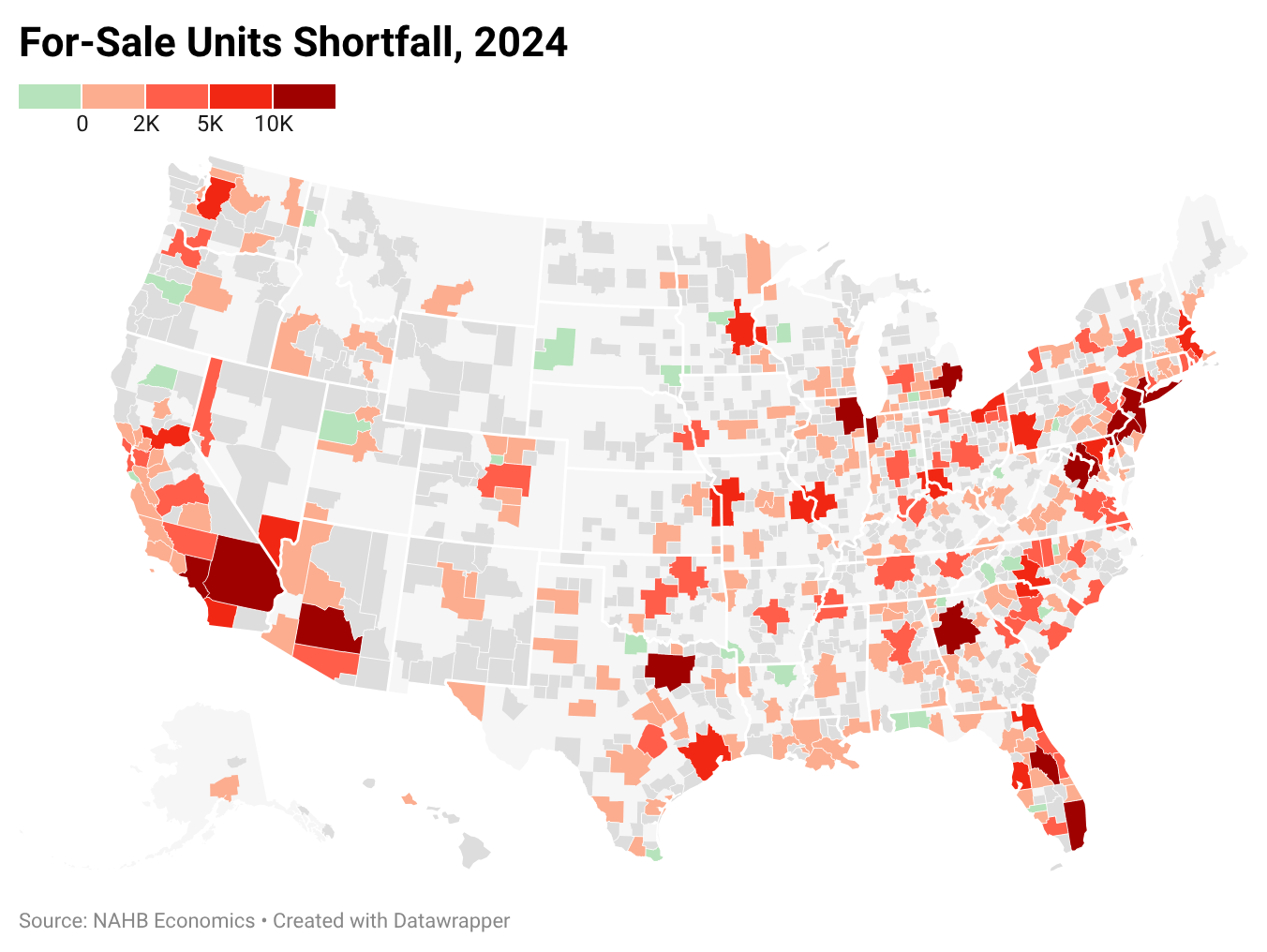
The 2024 Housing Shortage: Why America Is Still 1.2 Million Homes Behind

New data from Eye On Housing and the NAHB shows the U.S. remains short more than 1.2 million housing units, keeping pressure on both rents and home prices. Record‑low vacancy rates, slow single‑family construction, and restrictive zoning continue to fuel intense competition in 2024. Major metros like Chicago, New York, and Atlanta face some of the deepest deficits, and the true nationwide shortfall may be even higher when accounting for overcrowding and aging homes. For real estate professionals, the ongoing shortage means sustained demand, tighter inventory, and major opportunities for those who understand the evolving market.

AI Isn’t the Shiny Object Anymore — It’s the New System Driving Real Estate Success

Top real estate coach Jason Pantana says the divide between agents today isn’t about who has “tried” AI — it’s about who is immersed in it. In a new HousingWire interview, he explains why AI isn’t a gimmick but a full business system that amplifies output, improves authenticity, and reshapes how clients search for agents. From prompt mastery to AI‑driven visibility on Google, Pantana reveals how agents who commit even 15 minutes a day to learning AI are already outperforming those who hesitate.

DFW Commercial Real Estate 2025: Industrial Surges, Retail Shines, Office Struggles

Dallas–Fort Worth’s commercial real estate market closed 2025 with a split personality. Industrial dominated with massive new deliveries and soaring leasing demand, retail held steady with some of the market’s strongest fundamentals in years, and office continued to falter under remote‑work pressures. High vacancies, weak absorption, and rising demand for top‑tier space show the sector’s ongoing reset. Meanwhile, industrial and retail strength position the Metroplex for another powerhouse year heading into 2026.