The road to a future dominated by autonomous vehicles (AVs) is being paved with a blend of optimism and skepticism. According to a recent Goldman Sachs report, partially autonomous cars are projected to make up 10% of new vehicle sales by 2030. This development hints at a revolution in the automotive industry, driven by advancements in artificial intelligence and decreasing hardware costs.
The Role of AI in Accelerating AV Adoption
AI’s role in boosting the self-driving car industry cannot be overstated. While some AVs are currently operational in cities like San Francisco and Beijing, the technology is not yet widespread. Presently, only about 60% of vehicles have some level of driver assistance, with a mere 1-2% of global vehicle sales in 2026 expected to feature Level 3 automation.
However, there is hope on the horizon. AI advances, including enhanced computational power and larger datasets, are poised to improve model performance, potentially accelerating the adoption of more autonomous vehicles.
Cost-Effective Solutions and Market Implications
One of the key factors likely to spur AV adoption is the reduction in hardware costs. Modern autonomous vehicles rely on a multitude of cameras, sensors, and lidar devices. As these components become more affordable, AVs will not only be cheaper but also more efficient. This shift could benefit a range of sectors, from chipmakers to rideshare companies and automakers.
Looking further ahead, Goldman Sachs envisions a scenario where AV sales, particularly those with Level 3 automation or higher, could account for 60% of all light vehicle sales by 2040. Even in a less optimistic scenario, AVs are expected to comprise nearly 40% of new sales.
Geographic Variations in AV Adoption
The adoption rates of AVs are expected to vary significantly across regions. China leads the charge, with Level 3 or higher AV sales potentially making up 90% of all sales by 2040. Europe and the United States are also anticipated to see substantial growth, with advanced AVs comprising about 80% and 65% of all car sales, respectively, by the same year.
As the industry stands at the cusp of this technological revolution, the mixed sentiments regarding autonomous vehicle adoption continue to spark debate. Whether these expectations materialize remains to be seen, but the journey towards a more autonomous future is undeniably underway.
More Articles
Getting licensed or staying ahead in your career can be a journey—but it doesn’t have to be overwhelming. Grab your favorite coffee or tea, take a moment to relax, and browse through our articles. Whether you’re just starting out or renewing your expertise, we’ve got tips, insights, and advice to keep you moving forward. Here’s to your success—one sip and one step at a time!
The financial landscape in South Korea is poised for a seismic shift as KBank, a major digital bank, grapples with a legislative curveball. The bank, which is heavily reliant on deposits from Upbit, Korea’s dominant cryptocurrency exchange, is facing a potential profit squeeze. The new Virtual Asset User Protection Act, set to take effect on July 19, 2024, mandates that banks must pay interest on crypto exchange deposits, a move that could severely impact KBank's bottom line.
AI's ability to analyze vast amounts of data is paving the way for a profound change in medical diagnostics. Khosla predicted that AI could take over up to 80% of standard medical tasks, reducing errors and biases in human diagnosis. This is particularly evident in fields like radiology and pathology, where AI's proficiency in analyzing medical imaging allows for the early detection of diseases such as cancer, significantly improving treatment outcomes.
The COVID-19 pandemic has dramatically reshaped the housing market landscape, resulting in an unprecedented surge in home prices throughout the United States.
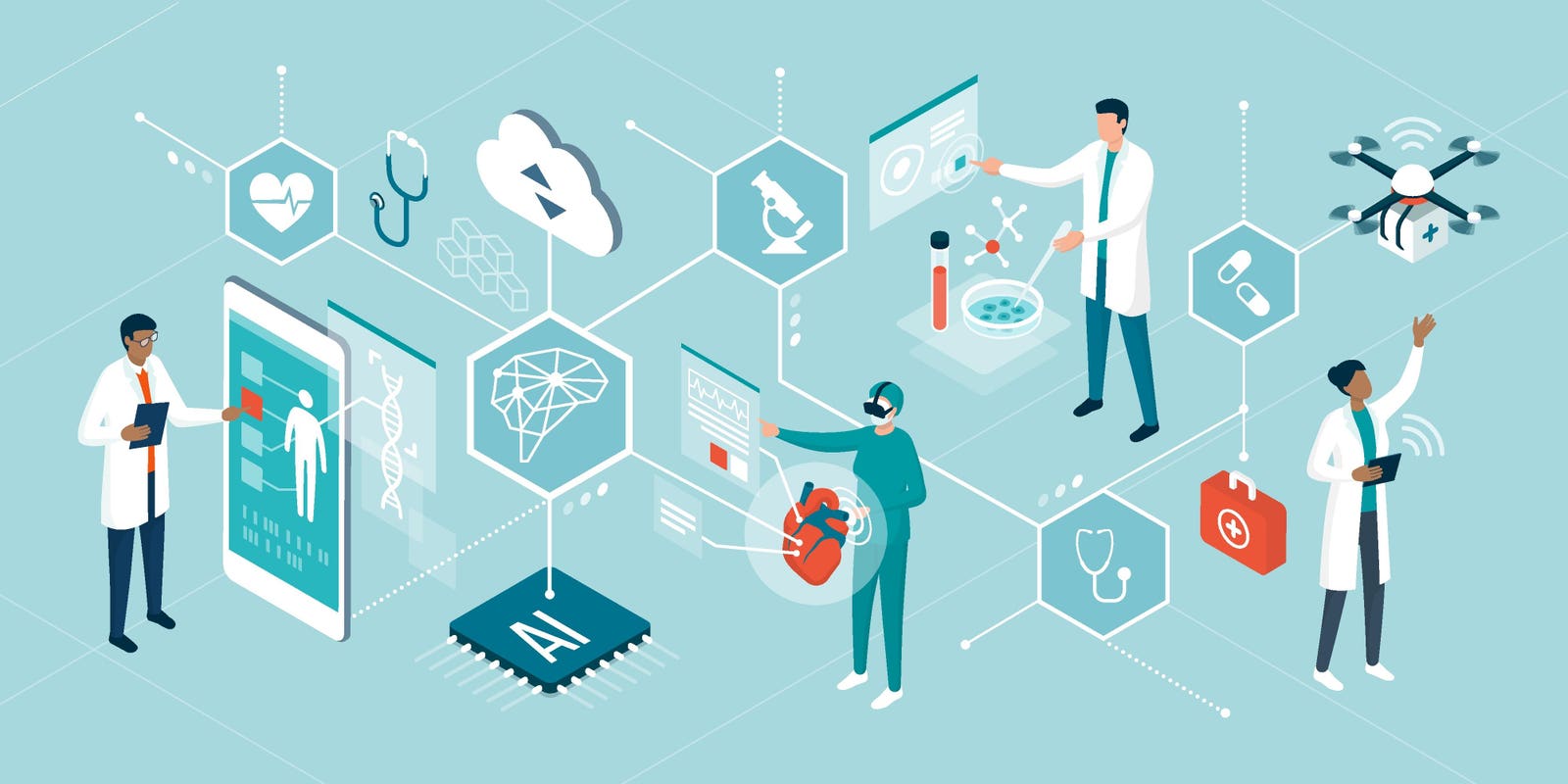
In a world where technology is rapidly evolving, artificial intelligence (AI) is proving to be a game-changer in the healthcare sector. AI-powered tools are improving patient outcomes, enhancing operational efficiency, and reducing costs, reshaping the very fabric of healthcare delivery.
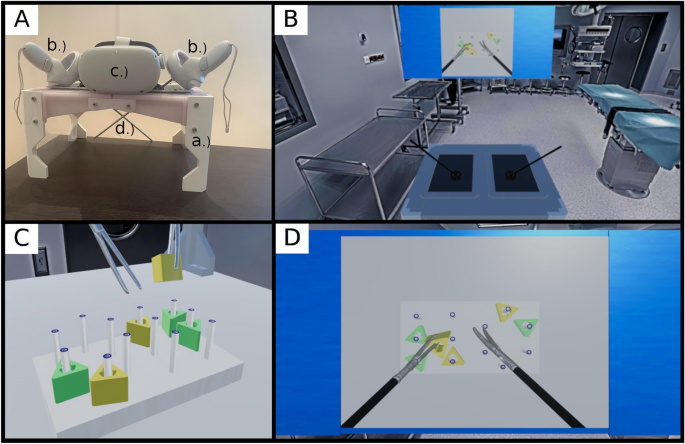
In a groundbreaking study published by Nature, researchers have unveiled a novel approach to surgical training using a low-fidelity virtual reality (VR) simulator enhanced with artificial intelligence (AI) for objective assessment. This pioneering method is poised to transform how medical students acquire laparoscopic skills, offering a cost-effective and efficient alternative to traditional training models.
AI in healthcare is projected to grow into a $188 billion industry worldwide by 2030, promising to revolutionize the field. From drug development to improved diagnostics, AI is already making significant strides, transforming medical practices and enhancing patient care efficiency.