The Intricate Dance of AVMs and Commercial Real Estate

In the world of real estate, Automated Valuation Models (AVMs) have long been a staple in residential property assessments, ever since Zillow’s audacious debut of the “Zestimate” in 2006. This tool, initially intended to provoke curiosity and drive web traffic, revolutionized how homeowners viewed property valuations. However, the transition of AVMs into the realm of commercial real estate has been anything but straightforward.

Commercial real estate valuation is a complex tapestry woven from numerous threads: rent rolls, lease agreements, and building expenses, to name a few. Unlike residential data, these elements are not readily accessible, creating a challenge for AVMs in this sector. Yet, companies like JLL Risk Advisory are pioneering the use of AVMs to provide rapid assessments and identify properties that may be undervalued or overvalued. As Charles Fisher, Director of Value and Risk Analytics at JLL, notes, these models serve as an essential component of a broader valuation strategy.

  • AVMs offer speed and efficiency, evaluating numerous properties in record time.
  • They act as a preliminary tool rather than a comprehensive solution.
  • Human oversight remains crucial to account for valuation nuances.
While AVMs are not yet equipped to handle the full complexity of commercial appraisals, they are becoming increasingly vital tools. The integration of artificial intelligence and machine learning into these models holds the promise of enhanced accuracy by discovering patterns in extensive datasets. However, the effectiveness of these models hinges on access to substantial structured data—a resource not yet available at scale across the commercial real estate industry.

As AVMs evolve, they are anticipated to more closely replicate human appraisals. Technologies like computer vision could enable AVMs to better assess property conditions, but challenges remain. Encoding nuanced building characteristics into machine-readable data is a significant hurdle. Currently, AVMs still require human verification to address potential blind spots in their analyses.

In conclusion, while AVMs are not poised to replace human appraisers, they are carving out a significant role in the commercial real estate industry. As computational models advance, they promise to expedite decision-making, offering investors a competitive edge while underscoring the indispensable role of human expertise in the valuation process. For more insights, you can read the original article on Propmodo.

More Articles

Getting licensed or staying ahead in your career can be a journey—but it doesn’t have to be overwhelming. Grab your favorite coffee or tea, take a moment to relax, and browse through our articles. Whether you’re just starting out or renewing your expertise, we’ve got tips, insights, and advice to keep you moving forward. Here’s to your success—one sip and one step at a time!

Why Toronto’s Real Estate Market Is a Rollercoaster Using Would You Rather Decisions

By 2022, the average cost had skyrocketed to $1.19 million. That’s, like, a 28% increase in just three years! But as with all wild parties, there was an inevitable hangover.

By |January 19, 2025|Categories: Article, Market Analysis, Real Estate|Tags: , |0 Comments

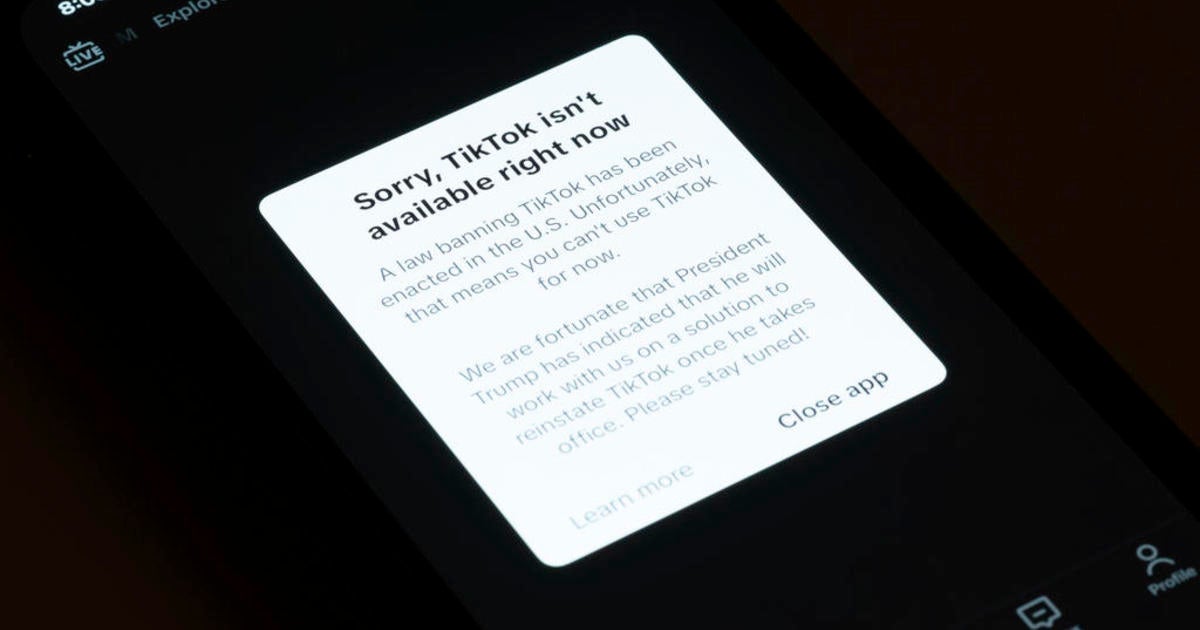
TikTok’s Ban: US Social Media Frenzy

"And let’s not forget this might be the start of a multi-platform domino effect. If TikTok is toast, Instagram Reels, YouTube Shorts, or bizarre TikTok lookalikes (looking at you, Lemon8) are poised to swoop in and capitalize."

By |January 19, 2025|Categories: Article, Humor, Technology|Tags: |0 Comments

Sutter Health’s Innovative Approach to Sepsis Management

Sutter Health is pioneering a transformative approach in critical care by introducing the FloPatch, a novel wearable device aimed at enhancing clinical decision-making. This initiative focuses on improving sepsis management within intensive care units (ICUs), leveraging real-time data to support critical treatment decisions.

TikTok Ban in the U.S.: A Landmark Moment in National Security

TikTok, the immensely popular social media app, is now banned in the United States following a Supreme Court ruling that mandated the app to sever ties with its China-based parent company, ByteDance, or face a ban.

AI and Robotics Revolutionizing Indian Healthcare

AI is poised to revolutionize the diagnostic process, enabling more accurate and faster diagnoses than ever before. Traditional methods, which rely heavily on manual interpretations of medical images, often suffer from delays and errors. In contrast, AI-driven diagnostic tools can swiftly analyze vast amounts of medical data, including X-rays, MRIs, and CT scans, with remarkable precision. This technology is already being leveraged for the early detection of diseases such as cancer and diabetic retinopathy, making diagnostics more efficient and accessible than ever.

By |January 19, 2025|Categories: Article, Healthcare, Technology|Tags: , |0 Comments

Embracing Smart Renovations: Europe’s Path to Sustainable Building

Currently, buildings account for over 30% of the EU's environmental footprint, a staggering figure that underscores the urgency of reform.