The Intricate Dance of AVMs and Commercial Real Estate

In the world of real estate, Automated Valuation Models (AVMs) have long been a staple in residential property assessments, ever since Zillow’s audacious debut of the “Zestimate” in 2006. This tool, initially intended to provoke curiosity and drive web traffic, revolutionized how homeowners viewed property valuations. However, the transition of AVMs into the realm of commercial real estate has been anything but straightforward.

Commercial real estate valuation is a complex tapestry woven from numerous threads: rent rolls, lease agreements, and building expenses, to name a few. Unlike residential data, these elements are not readily accessible, creating a challenge for AVMs in this sector. Yet, companies like JLL Risk Advisory are pioneering the use of AVMs to provide rapid assessments and identify properties that may be undervalued or overvalued. As Charles Fisher, Director of Value and Risk Analytics at JLL, notes, these models serve as an essential component of a broader valuation strategy.

  • AVMs offer speed and efficiency, evaluating numerous properties in record time.
  • They act as a preliminary tool rather than a comprehensive solution.
  • Human oversight remains crucial to account for valuation nuances.
While AVMs are not yet equipped to handle the full complexity of commercial appraisals, they are becoming increasingly vital tools. The integration of artificial intelligence and machine learning into these models holds the promise of enhanced accuracy by discovering patterns in extensive datasets. However, the effectiveness of these models hinges on access to substantial structured data—a resource not yet available at scale across the commercial real estate industry.

As AVMs evolve, they are anticipated to more closely replicate human appraisals. Technologies like computer vision could enable AVMs to better assess property conditions, but challenges remain. Encoding nuanced building characteristics into machine-readable data is a significant hurdle. Currently, AVMs still require human verification to address potential blind spots in their analyses.

In conclusion, while AVMs are not poised to replace human appraisers, they are carving out a significant role in the commercial real estate industry. As computational models advance, they promise to expedite decision-making, offering investors a competitive edge while underscoring the indispensable role of human expertise in the valuation process. For more insights, you can read the original article on Propmodo.

More Articles

Getting licensed or staying ahead in your career can be a journey—but it doesn’t have to be overwhelming. Grab your favorite coffee or tea, take a moment to relax, and browse through our articles. Whether you’re just starting out or renewing your expertise, we’ve got tips, insights, and advice to keep you moving forward. Here’s to your success—one sip and one step at a time!

Revolutionizing Medical Diagnostics with AI: A Leap Forward in Cytopathology

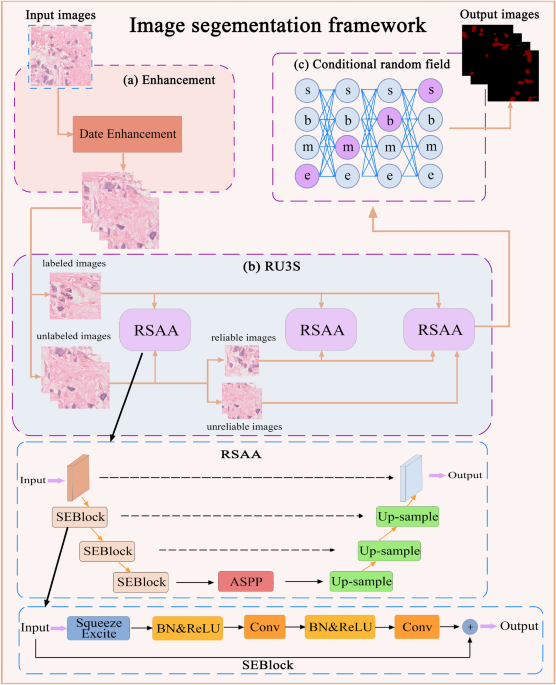
The integration of artificial intelligence (AI) and computer vision is set to transform the analysis of cytopathological images, particularly crucial for developing countries where the shortage of medical professionals makes manual image analysis a daunting challenge.

The Expanding Threat Landscape in Healthcare

In the rapidly evolving world of healthcare technology, the rise of telemedicine and remote patient monitoring has opened new frontiers for patient care. However, these advancements also widen the footprint for potential vulnerabilities, making data protection more crucial than ever.

Driverless Shuttles: A New Era of Mobility in Rural France

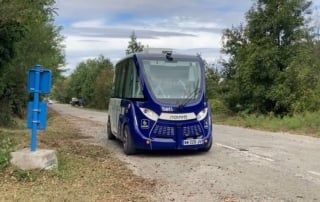
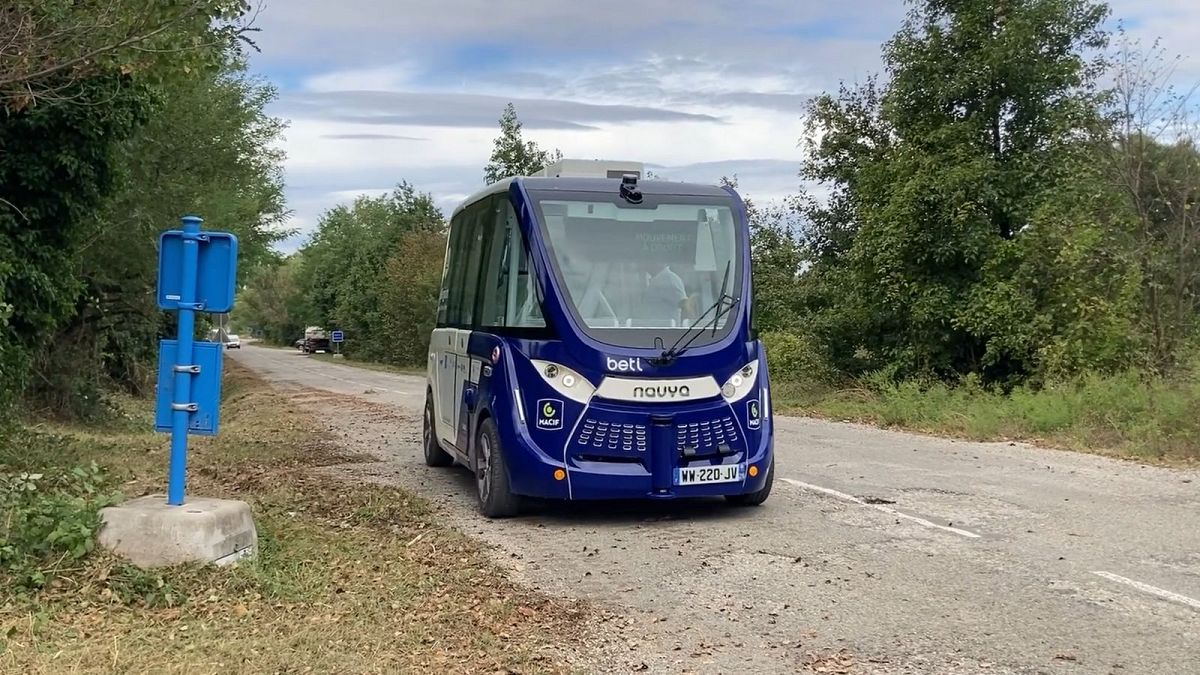
The introduction of these shuttles in Val de Drôme - Crest, where the population density is significantly lower than the national average, has been met with positive feedback. Residents appreciate the newfound mobility options, especially in areas where alternatives are limited. Arnaud noted, "The question of acceptability arises when you have the luxury of having other options. When you don't have a choice, you're very happy to have [the shuttle]."

By |December 25, 2024|Categories: Article, Technology, Transportation|Tags: , |0 Comments

Digital Health Technology: A New Frontier in Medical Education

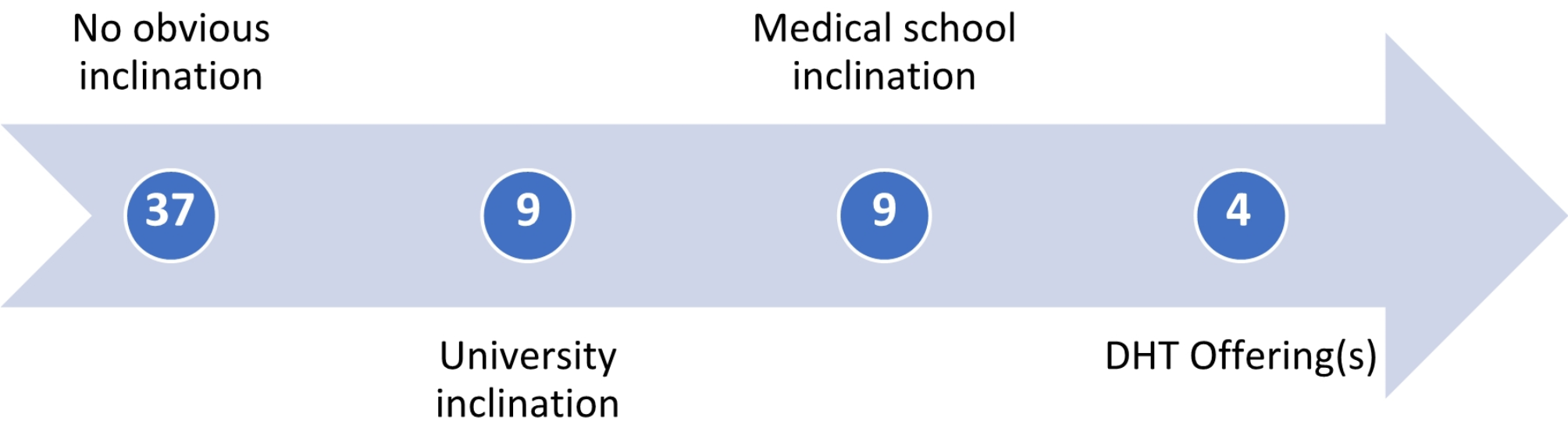
Despite the growing importance of DHT, a mere handful of institutions have integrated these competencies into their curricula.

AI Revolutionizes Healthcare: Present Successes and Future Prospects

AI-powered tools are actively driving significant improvements in patient outcomes, operational efficiency, and cost savings.

By |December 24, 2024|Categories: Article, Healthcare, Technology|Tags: , |0 Comments

USD Receives $1.1 Million Federal Grant to Transform Telehealth Education

The University of South Dakota is poised to revolutionize its approach to healthcare education through a substantial $1.1 million federal grant. This transformative initiative is a collaborative effort to enhance telehealth services, aiming to improve healthcare access, particularly in rural areas.

By |December 24, 2024|Categories: Article, Education, Healthcare|Tags: , |0 Comments