The Intricate Dance of AVMs and Commercial Real Estate

In the world of real estate, Automated Valuation Models (AVMs) have long been a staple in residential property assessments, ever since Zillow’s audacious debut of the “Zestimate” in 2006. This tool, initially intended to provoke curiosity and drive web traffic, revolutionized how homeowners viewed property valuations. However, the transition of AVMs into the realm of commercial real estate has been anything but straightforward.

Commercial real estate valuation is a complex tapestry woven from numerous threads: rent rolls, lease agreements, and building expenses, to name a few. Unlike residential data, these elements are not readily accessible, creating a challenge for AVMs in this sector. Yet, companies like JLL Risk Advisory are pioneering the use of AVMs to provide rapid assessments and identify properties that may be undervalued or overvalued. As Charles Fisher, Director of Value and Risk Analytics at JLL, notes, these models serve as an essential component of a broader valuation strategy.

  • AVMs offer speed and efficiency, evaluating numerous properties in record time.
  • They act as a preliminary tool rather than a comprehensive solution.
  • Human oversight remains crucial to account for valuation nuances.
While AVMs are not yet equipped to handle the full complexity of commercial appraisals, they are becoming increasingly vital tools. The integration of artificial intelligence and machine learning into these models holds the promise of enhanced accuracy by discovering patterns in extensive datasets. However, the effectiveness of these models hinges on access to substantial structured data—a resource not yet available at scale across the commercial real estate industry.

As AVMs evolve, they are anticipated to more closely replicate human appraisals. Technologies like computer vision could enable AVMs to better assess property conditions, but challenges remain. Encoding nuanced building characteristics into machine-readable data is a significant hurdle. Currently, AVMs still require human verification to address potential blind spots in their analyses.

In conclusion, while AVMs are not poised to replace human appraisers, they are carving out a significant role in the commercial real estate industry. As computational models advance, they promise to expedite decision-making, offering investors a competitive edge while underscoring the indispensable role of human expertise in the valuation process. For more insights, you can read the original article on Propmodo.

More Articles

Getting licensed or staying ahead in your career can be a journey—but it doesn’t have to be overwhelming. Grab your favorite coffee or tea, take a moment to relax, and browse through our articles. Whether you’re just starting out or renewing your expertise, we’ve got tips, insights, and advice to keep you moving forward. Here’s to your success—one sip and one step at a time!

Florida’s Political Storm: Immigration Protests, Insurance Shakeups, and Health Care Uncertainty

Palm Beach protests erupted as intensified immigration enforcement reached the heart of Trump’s hometown, while millions in Florida brace for rising health care costs as key subsidies near expiration. At the same time, state regulators boldly declare the long‑running property insurance crisis “over,” leaving homeowners and industry professionals questioning whether true stability has finally returned.

Real Estate Strategic Outlooks: Year-End 2025

As 2025 comes to a close, the real estate industry is shifting from uncertainty to strategic expansion. According to DWS’s Year-End 2025 Outlook, property values are stabilizing after years of repricing, capital is concentrating on high-quality assets, and Sunbelt markets—especially Florida—continue to outperform. With technology enhancing rather than replacing professional expertise, 2026 is shaping up to reward professionals who stay informed, skilled, and strategically positioned for the next cycle.

Texas Investors Ride Into San Francisco, Snapping Up Union Square Deals as the Market Hits Bottom

Texas capital is pouring into San Francisco’s long‑struggling commercial real estate market, with Lone Star investors buying up discounted Union Square buildings and signaling what many experts believe is the city’s market bottom. As office activity and confidence begin to return, buyers from across the country are joining the rush, turning SF’s post‑pandemic slump into one of the nation’s hottest bargain opportunities.

2026 Tech100 Countdown: Housing Tech Innovation Surges as Nomination Window Closes

With 2026 HousingWire Tech100 nominations closing on December 19, the housing tech sector is accelerating at full speed. AI‑powered data platforms, digital closing breakthroughs, embedded insurance growth, and next‑generation servicing automation are reshaping real estate, mortgage, insurance, and finance. From ATTOM’s AI‑ready property intelligence to Hapi Homes’ Martha Stewart design revival, Obie’s nationwide expansion, Outamation’s servicing automation, and ServiceLink’s next‑level borrower scheduling, this year’s standout innovators are defining the future of the housing economy.

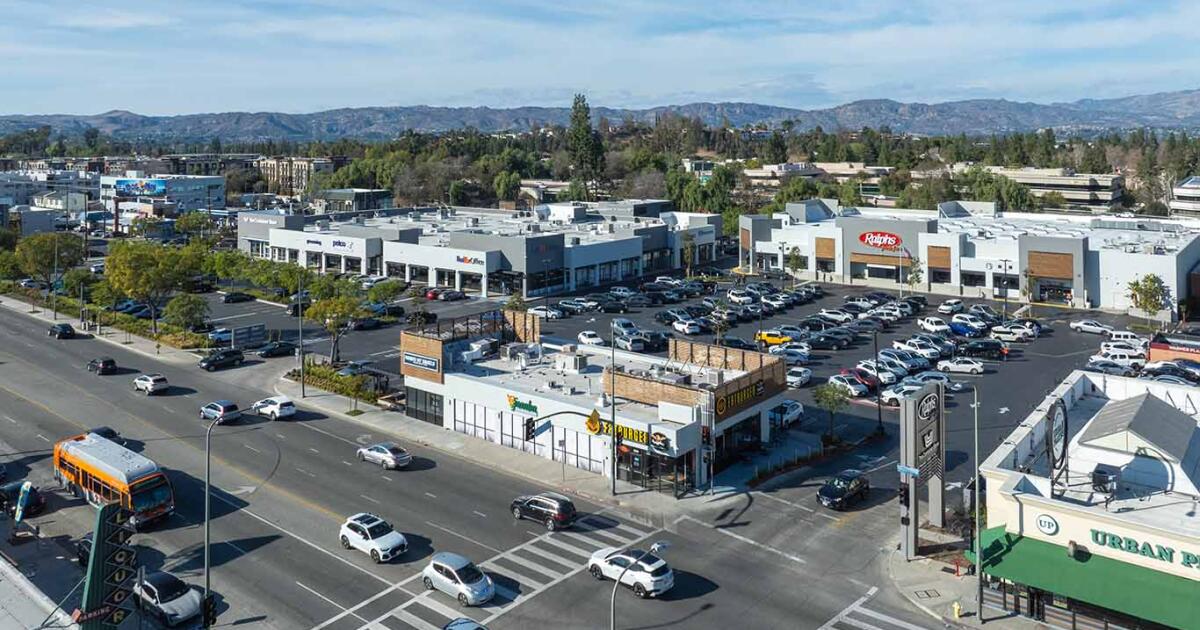
Woodland Hills Retail Center Sold for $64 Million in Major Southern California CRE Deal

Space Investment Partners has acquired the 123,402‑square‑foot Topanga Gateway retail center in Woodland Hills for $64 million, marking another significant move in the firm’s expanding grocery‑anchored investment strategy. Located at a high‑visibility intersection and 97% occupied at the time of sale, the property strengthens the company’s push toward $500 million to $1 billion in retail acquisitions for 2026, underscoring continued investor confidence in necessity‑based retail assets.

Mortgage Rates Shift After Final 2025 Fed Cut: What Homebuyers Should Know Today

After the Federal Reserve’s final 2025 rate cut on December 10, mortgage markets are recalibrating, giving buyers and homeowners a glimmer of relief. Rates remain lower than earlier in the year, with 30-year fixed loans at 6.12% and refinances dipping as well. This shift may spark renewed activity for buyers, refinancers, and real estate professionals heading into 2026.