The Intricate Dance of AVMs and Commercial Real Estate

In the world of real estate, Automated Valuation Models (AVMs) have long been a staple in residential property assessments, ever since Zillow’s audacious debut of the “Zestimate” in 2006. This tool, initially intended to provoke curiosity and drive web traffic, revolutionized how homeowners viewed property valuations. However, the transition of AVMs into the realm of commercial real estate has been anything but straightforward.

Commercial real estate valuation is a complex tapestry woven from numerous threads: rent rolls, lease agreements, and building expenses, to name a few. Unlike residential data, these elements are not readily accessible, creating a challenge for AVMs in this sector. Yet, companies like JLL Risk Advisory are pioneering the use of AVMs to provide rapid assessments and identify properties that may be undervalued or overvalued. As Charles Fisher, Director of Value and Risk Analytics at JLL, notes, these models serve as an essential component of a broader valuation strategy.

  • AVMs offer speed and efficiency, evaluating numerous properties in record time.
  • They act as a preliminary tool rather than a comprehensive solution.
  • Human oversight remains crucial to account for valuation nuances.
While AVMs are not yet equipped to handle the full complexity of commercial appraisals, they are becoming increasingly vital tools. The integration of artificial intelligence and machine learning into these models holds the promise of enhanced accuracy by discovering patterns in extensive datasets. However, the effectiveness of these models hinges on access to substantial structured data—a resource not yet available at scale across the commercial real estate industry.

As AVMs evolve, they are anticipated to more closely replicate human appraisals. Technologies like computer vision could enable AVMs to better assess property conditions, but challenges remain. Encoding nuanced building characteristics into machine-readable data is a significant hurdle. Currently, AVMs still require human verification to address potential blind spots in their analyses.

In conclusion, while AVMs are not poised to replace human appraisers, they are carving out a significant role in the commercial real estate industry. As computational models advance, they promise to expedite decision-making, offering investors a competitive edge while underscoring the indispensable role of human expertise in the valuation process. For more insights, you can read the original article on Propmodo.

More Articles

Getting licensed or staying ahead in your career can be a journey—but it doesn’t have to be overwhelming. Grab your favorite coffee or tea, take a moment to relax, and browse through our articles. Whether you’re just starting out or renewing your expertise, we’ve got tips, insights, and advice to keep you moving forward. Here’s to your success—one sip and one step at a time!

Global Capital Is Reshaping Real Estate for 2026

Investors worldwide are redeploying capital, embracing more active deal structures, and expanding into new regions as the 2026 market takes shape. Data centers, revived office demand, and global diversification are driving a major shift—creating fresh opportunities for real estate, mortgage, and finance professionals who understand where capital is heading next.

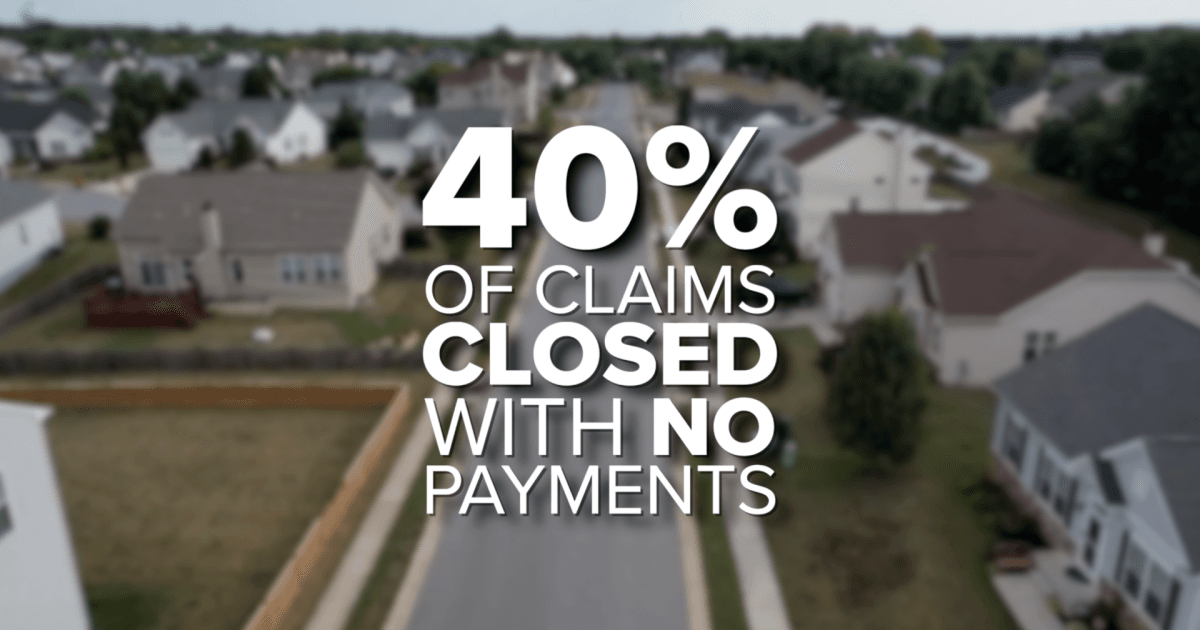
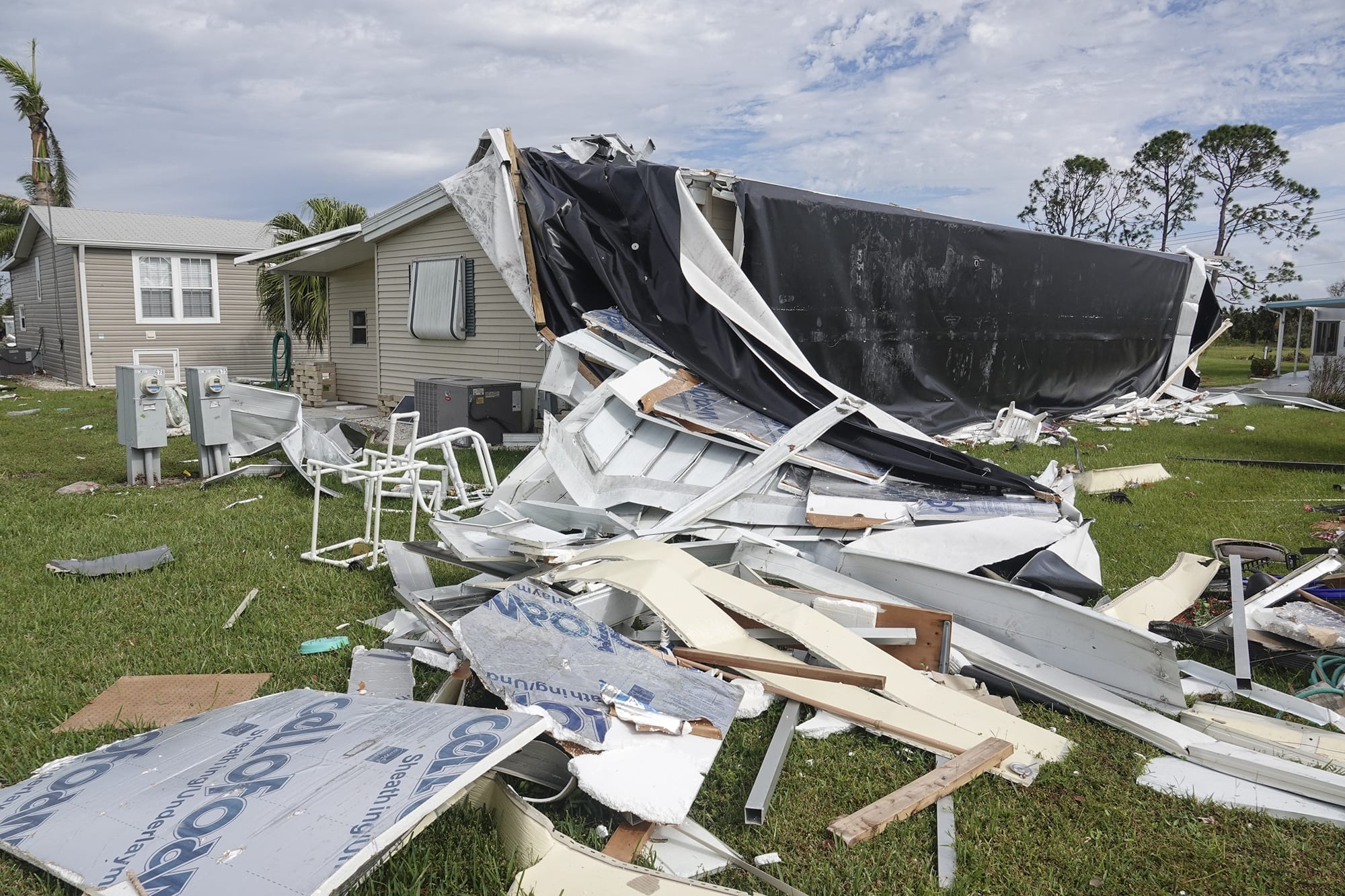
Florida’s Home Insurance Crisis Hits Breaking Point as Premiums Soar and Claims Go Unpaid

Florida homeowners now pay an average of $5,838 per year for insurance—about $3,000 more than the national average—pushing many families to the financial brink. Residents report premiums tripling, claims being severely underpaid, and insurers dropping policies at one of the highest rates in the country. As frustration mounts, lawmakers and industry experts are calling for sweeping reforms to curb rising costs, increase accountability, and stabilize a market that’s reshaping real estate decisions across the state.

Citizens Insurance Steps Back as Florida’s Private Market Surges

Florida’s insurance market has hit a major turning point. Citizens Property Insurance—once the state’s largest insurer with 1.4 million policies—has shed more than 900,000 policies as private insurers return in force. Driven by Florida’s depopulation program and the arrival of 17 new companies, nearly 200,000 policies shifted to private carriers in October alone, with about 40 percent offering lower premiums. The shift signals rising competition, stabilizing rates, and new opportunities for homeowners and industry professionals navigating Florida’s evolving insurance landscape.

NAR Unveils Biggest MLS Policy Overhaul in 20 Years, Effective 2026

The National Association of REALTORS® has approved 18 major updates to modernize its MLS policies—the largest overhaul in two decades. Announced at NAR NXT in Houston and set to take effect in January 2026, the changes aim to streamline MLS operations, improve enforcement clarity, and better align policies with how today’s real estate professionals actually work.

Inhabit Unveils New AI and Fraud Prevention Tools Transforming Property Management

Inhabit has rolled out a powerful lineup of AI-driven leasing, marketing, fraud prevention, and compliance tools designed to streamline operations and protect property teams from growing risks. From hybrid AI leasing assistants to instant income verification and upcoming portfolio-wide lease audits, these innovations aim to cut costs, eliminate inefficiencies, and strengthen regulatory confidence across the multifamily industry.

Florida’s Insurance System Is Shifting Again—But Are Homeowners Still in the Danger Zone?

Florida’s latest round of insurance reforms was meant to calm a volatile market, yet many experts warn the same deep structural problems remain. Homeowners are being pushed from Citizens into higher‑priced, lightly capitalized private insurers, ratings agencies face scrutiny for inflated grades, and political influence clouds oversight. For real estate and insurance professionals, these trends signal ongoing risk, rising costs, and a market in need of a complete rebuild.