The Role of Blockchain in Real Estate: A New Era of Transparency and Efficiency
The transformative power of blockchain technology is reshaping the real estate industry, traditionally known for its complexity and inefficiencies. As noted in a recent article by Appinventiv, blockchain is not merely a novelty but a practical solution addressing the sector’s prevailing challenges.
Real estate has long been plagued by lack of transparency, tedious paperwork, higher risk of fraud, expensive investments, and poor transaction speed. Blockchain technology offers a decentralized record-keeping system, which not only enhances transparency but also reduces the need for intermediaries. This shift is paving the way for a more secure and efficient market landscape.
Enhanced Security and Transparency
Blockchain’s immutable ledger of property records significantly lowers the possibility of fraud and disputes by offering transparent transaction histories. This increased level of security boosts confidence among buyers, sellers, and investors, creating a more reliable ecosystem. For further details, refer to the Appinventiv article on how blockchain resolves data privacy and security issues for businesses.
Increased Efficiency and Streamlined Processes
By automating processes and eliminating intermediaries, blockchain reduces administrative costs and speeds up transactions. Smart contracts, a key feature of blockchain, automate property transfers and lease agreements, enhancing reliability and precision. This automation is further explained in the Smart Contract Guide by Appinventiv.
Fractional Ownership and Asset Tokenization
Blockchain facilitates fractional ownership, allowing investors to purchase and sell fractional shares of properties. This democratizes real estate investment, making it more accessible to a broader audience. Additionally, asset tokenization turns tangible properties into digital tokens, enhancing market liquidity. Learn more about this innovative approach in the Tokenization in Real Estate article.
Global Accessibility
The decentralized nature of blockchain supports cross-border transactions, enabling foreign buyers and sellers to conduct business without intermediaries. This aspect is crucial for global real estate markets, as highlighted in the cross-border transactions discussion.
Real-World Applications and Challenges
Major players like CBRE Group and Brookfield Asset Management are leveraging blockchain to streamline operations and offer innovative investment opportunities. However, the adoption of blockchain in real estate is not without challenges. Issues such as inadequate knowledge, scaling, and chain interoperability need addressing to fully harness blockchain’s potential. For a deeper dive into these challenges, visit the Enterprise Compliance with Blockchain article.
Conclusion
As blockchain technology continues to permeate the real estate sector, the industry is poised for a revolution. Enhanced security, transparency, and efficiency are just the beginning. The future of real estate lies in embracing these technological advancements to create a more inclusive and dynamic market.
More Articles
Getting licensed or staying ahead in your career can be a journey—but it doesn’t have to be overwhelming. Grab your favorite coffee or tea, take a moment to relax, and browse through our articles. Whether you’re just starting out or renewing your expertise, we’ve got tips, insights, and advice to keep you moving forward. Here’s to your success—one sip and one step at a time!
DeFi platforms are revolutionizing financial services, affecting everything from asset management to banking and compliance. This transformation is driven by the transparency and efficiency of blockchain technology, which introduces innovations like smart contracts and tokenization.
In a world where digital threats loom large, the banking sector finds itself at a critical juncture. A recent story shared by an acquaintance, Dave, underscores the pervasive risk of cyberattacks that banks face today. Dave, who works in the banking sector, was caught off guard by a phishing attempt that seemed legitimate. Fortunately, it was a security test, but it highlighted a glaring vulnerability.
Nursing vacancies have surged to 17%, more than doubling pre-pandemic levels, prompting hospitals to go beyond mere salary increases and benefits enhancements.
In an era where technology is reshaping every facet of our lives, healthcare stands at the forefront of this digital revolution. As we delve into 2024, the integration of telehealth, AI, and wearable technologies is setting new benchmarks in patient care and accessibility.
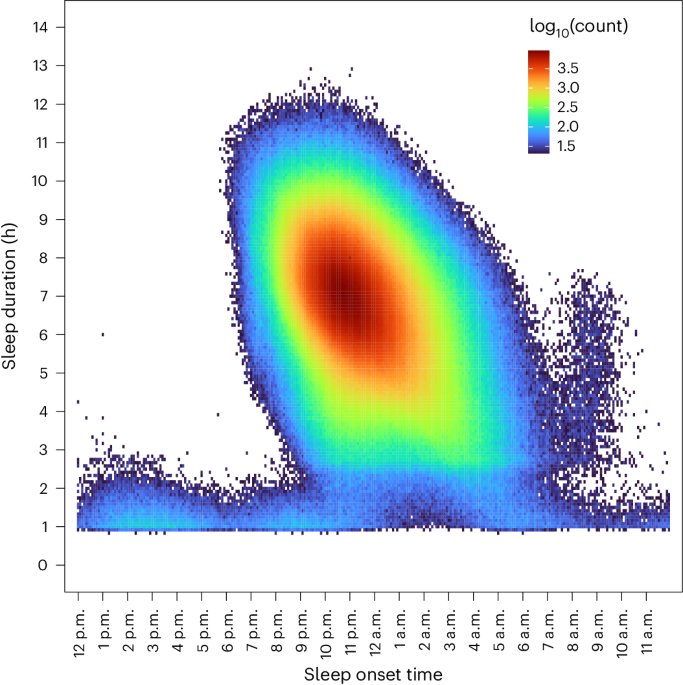
By tracking sleep patterns over extended periods, wearables provide a unique opportunity to observe the long-term effects of sleep on health, offering valuable insights for both public health policies and individual health management.