The Role of Blockchain in Real Estate: A New Era of Transparency and Efficiency


The transformative power of blockchain technology is reshaping the real estate industry, traditionally known for its complexity and inefficiencies. As noted in a recent article by Appinventiv, blockchain is not merely a novelty but a practical solution addressing the sector’s prevailing challenges.

Real estate has long been plagued by lack of transparency, tedious paperwork, higher risk of fraud, expensive investments, and poor transaction speed. Blockchain technology offers a decentralized record-keeping system, which not only enhances transparency but also reduces the need for intermediaries. This shift is paving the way for a more secure and efficient market landscape.

Enhanced Security and Transparency


Blockchain’s immutable ledger of property records significantly lowers the possibility of fraud and disputes by offering transparent transaction histories. This increased level of security boosts confidence among buyers, sellers, and investors, creating a more reliable ecosystem. For further details, refer to the Appinventiv article on how blockchain resolves data privacy and security issues for businesses.

Increased Efficiency and Streamlined Processes


By automating processes and eliminating intermediaries, blockchain reduces administrative costs and speeds up transactions. Smart contracts, a key feature of blockchain, automate property transfers and lease agreements, enhancing reliability and precision. This automation is further explained in the Smart Contract Guide by Appinventiv.

Fractional Ownership and Asset Tokenization


Blockchain facilitates fractional ownership, allowing investors to purchase and sell fractional shares of properties. This democratizes real estate investment, making it more accessible to a broader audience. Additionally, asset tokenization turns tangible properties into digital tokens, enhancing market liquidity. Learn more about this innovative approach in the Tokenization in Real Estate article.

Global Accessibility


The decentralized nature of blockchain supports cross-border transactions, enabling foreign buyers and sellers to conduct business without intermediaries. This aspect is crucial for global real estate markets, as highlighted in the cross-border transactions discussion.

Blockchain in real estate infographic

Real-World Applications and Challenges


Major players like CBRE Group and Brookfield Asset Management are leveraging blockchain to streamline operations and offer innovative investment opportunities. However, the adoption of blockchain in real estate is not without challenges. Issues such as inadequate knowledge, scaling, and chain interoperability need addressing to fully harness blockchain’s potential. For a deeper dive into these challenges, visit the Enterprise Compliance with Blockchain article.

Conclusion


As blockchain technology continues to permeate the real estate sector, the industry is poised for a revolution. Enhanced security, transparency, and efficiency are just the beginning. The future of real estate lies in embracing these technological advancements to create a more inclusive and dynamic market.

More Articles

Getting licensed or staying ahead in your career can be a journey—but it doesn’t have to be overwhelming. Grab your favorite coffee or tea, take a moment to relax, and browse through our articles. Whether you’re just starting out or renewing your expertise, we’ve got tips, insights, and advice to keep you moving forward. Here’s to your success—one sip and one step at a time!

America’s Housing Affordability Crisis: A Deep Dive into 2024

The American dream of homeownership is slipping further out of reach for many as the nation grapples with a severe housing affordability crisis.

By |October 17, 2024|Categories: Article, Economic Issues, Housing Affordability|Tags: , |0 Comments

The Economic Payoff of Climate Resilience Investments

Each dollar spent on disaster preparedness can yield a remarkable $13 in savings on economic impact, damage, and cleanup costs. By investing in resilience today, we can safeguard our economic futures against the uncertainties of tomorrow.

By |October 16, 2024|Categories: Article, Climate Resilience, Economics|Tags: |0 Comments

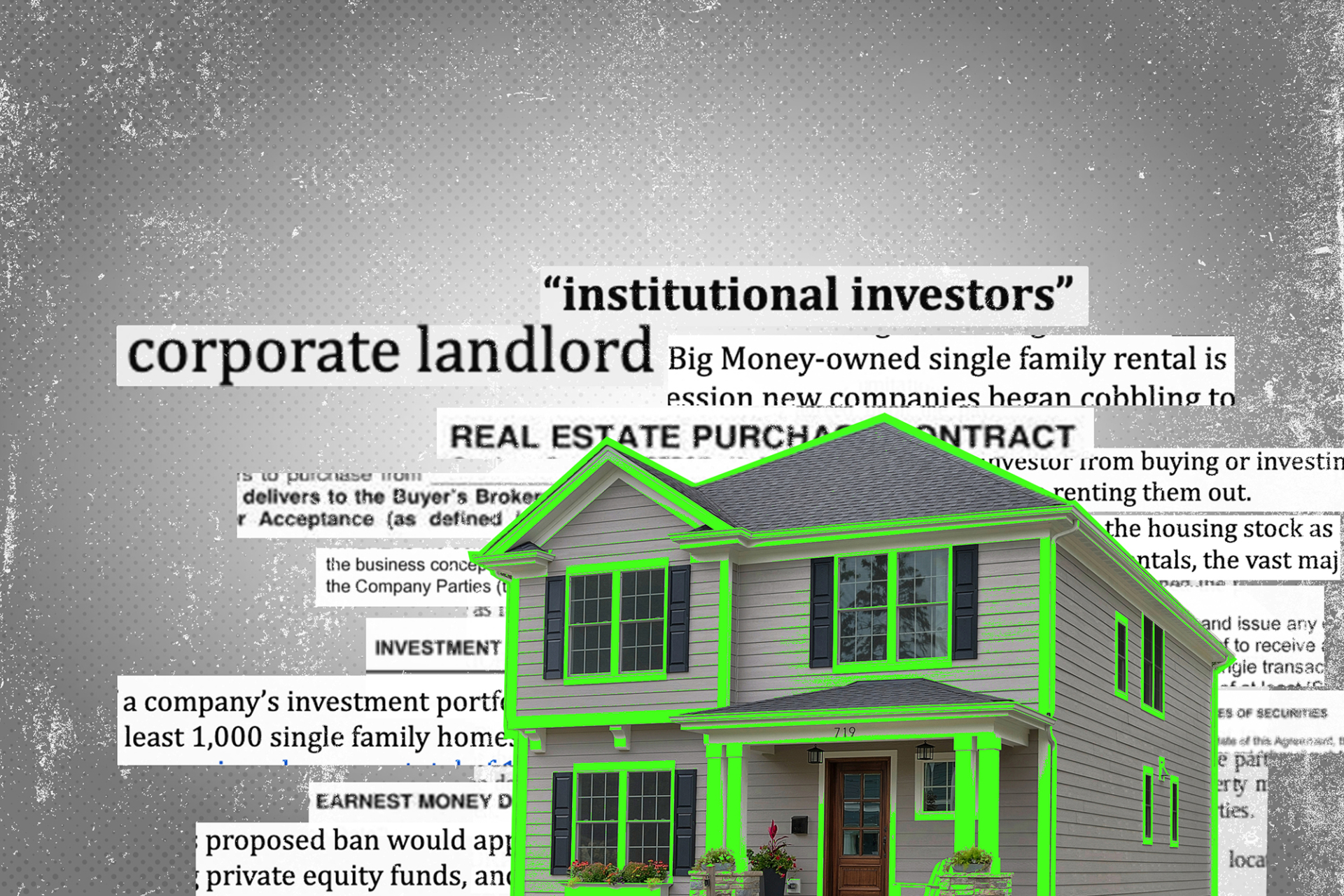
California Legislators Target Corporate Landlords in Housing Market Shake-Up

California's housing market is in the crosshairs of some of the state's most influential lawmakers, who are determined to curb the influence of institutional investors. This legislative session, at least three bills are being considered to prevent these corporate landlords from amassing a significant number of the state's single-family homes.

Proposition 33: A Pivotal Moment in California’s Rent Control Debate

Proposition 33 has sparked a heated debate. Proponents argue that repealing Costa–Hawkins would allow cities to tailor rent control measures to their unique needs, potentially easing the financial burdens on renters.

By |October 16, 2024|Categories: Article, Housing, Legislation|Tags: , |0 Comments

The Trump Era: A Transformative Journey in the U.S. Housing Market

The presidency of Donald Trump ushered in a period of notable shifts in the U.S. housing market, characterized by tax cuts, deregulation, and the unforeseen impact of a global pandemic. This era, marked by both growth and uncertainty, offers a complex narrative of economic policy and market dynamics.

Donald Trump’s Intricate Family Web

Donald Trump, a name synonymous with real estate, reality television, and politics, presents a complex family tapestry woven with professional and personal threads. His family, deeply enmeshed in his business ventures and political pursuits, forms a network of intricate connections.


By |October 15, 2024|Categories: Article, Family, Politics|Tags: , |0 Comments