The Role of Blockchain in Real Estate: A New Era of Transparency and Efficiency


The transformative power of blockchain technology is reshaping the real estate industry, traditionally known for its complexity and inefficiencies. As noted in a recent article by Appinventiv, blockchain is not merely a novelty but a practical solution addressing the sector’s prevailing challenges.

Real estate has long been plagued by lack of transparency, tedious paperwork, higher risk of fraud, expensive investments, and poor transaction speed. Blockchain technology offers a decentralized record-keeping system, which not only enhances transparency but also reduces the need for intermediaries. This shift is paving the way for a more secure and efficient market landscape.

Enhanced Security and Transparency


Blockchain’s immutable ledger of property records significantly lowers the possibility of fraud and disputes by offering transparent transaction histories. This increased level of security boosts confidence among buyers, sellers, and investors, creating a more reliable ecosystem. For further details, refer to the Appinventiv article on how blockchain resolves data privacy and security issues for businesses.

Increased Efficiency and Streamlined Processes


By automating processes and eliminating intermediaries, blockchain reduces administrative costs and speeds up transactions. Smart contracts, a key feature of blockchain, automate property transfers and lease agreements, enhancing reliability and precision. This automation is further explained in the Smart Contract Guide by Appinventiv.

Fractional Ownership and Asset Tokenization


Blockchain facilitates fractional ownership, allowing investors to purchase and sell fractional shares of properties. This democratizes real estate investment, making it more accessible to a broader audience. Additionally, asset tokenization turns tangible properties into digital tokens, enhancing market liquidity. Learn more about this innovative approach in the Tokenization in Real Estate article.

Global Accessibility


The decentralized nature of blockchain supports cross-border transactions, enabling foreign buyers and sellers to conduct business without intermediaries. This aspect is crucial for global real estate markets, as highlighted in the cross-border transactions discussion.

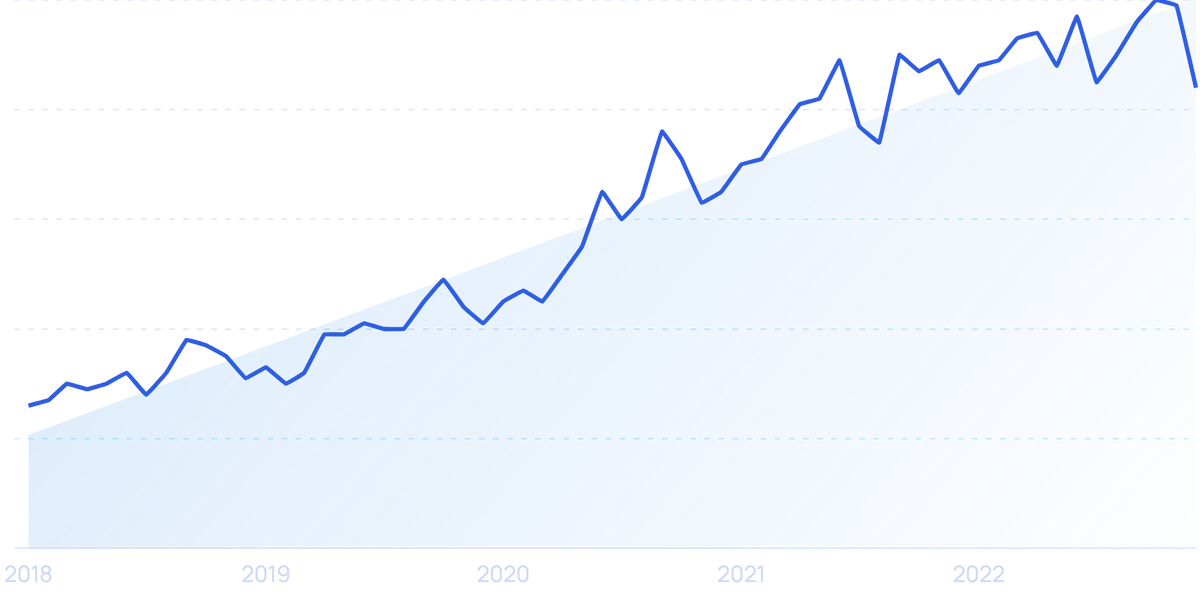
Blockchain in real estate infographic

Real-World Applications and Challenges


Major players like CBRE Group and Brookfield Asset Management are leveraging blockchain to streamline operations and offer innovative investment opportunities. However, the adoption of blockchain in real estate is not without challenges. Issues such as inadequate knowledge, scaling, and chain interoperability need addressing to fully harness blockchain’s potential. For a deeper dive into these challenges, visit the Enterprise Compliance with Blockchain article.

Conclusion


As blockchain technology continues to permeate the real estate sector, the industry is poised for a revolution. Enhanced security, transparency, and efficiency are just the beginning. The future of real estate lies in embracing these technological advancements to create a more inclusive and dynamic market.

More Articles

Getting licensed or staying ahead in your career can be a journey—but it doesn’t have to be overwhelming. Grab your favorite coffee or tea, take a moment to relax, and browse through our articles. Whether you’re just starting out or renewing your expertise, we’ve got tips, insights, and advice to keep you moving forward. Here’s to your success—one sip and one step at a time!

Exploring the Shifting Landscape of Real Estate in 2024

This trend is beneficial for existing homeowners, who have seen their equity rise by 9.6% last year, adding $1.5 trillion collectively.

By |October 11, 2024|Categories: Article, Market Trends, Real Estate|Tags: |0 Comments

Streamlining Real Estate Success: A Deep Dive into CRM Software for 2024

In the fast-paced world of real estate, efficiency is not just a luxury—it's a necessity. The Tech Report's recent analysis sheds light on the pivotal role of CRM software in transforming how real estate professionals manage leads, engage with clients, and close deals.

By |October 11, 2024|Categories: Article, Real Estate, Technology|Tags: , |0 Comments

Revolutionizing the Real Estate Tech Landscape

The real estate industry has just witnessed the release of its first comprehensive Customer Relationship Management (CRM) guide, titled "The Kerfuffle CRM Guide For Estate & Letting Agents."

By |October 11, 2024|Categories: Article, Real Estate, Technology|Tags: , |0 Comments

Exploring Real Estate Investment: A Comprehensive Guide

Real estate investment is a popular avenue for diversifying one's portfolio and generating passive income. However, the traditional notion of becoming a landlord—complete with calls about leaky faucets and pest control—might not appeal to everyone.

Hurricane Helene’s Impact on the Southeast: A Real Estate Perspective

Hurricane Helene made landfall as a Category 4 hurricane with wind speeds of 140 mph, initially impacting Florida's Big Bend. The storm claims 17 lives and poses $5.6 billion in potential flood damages, with commercial properties at significant wind damage risk.

By |October 10, 2024|Categories: Article, Natural Disasters, Real Estate|Tags: , |0 Comments

Real Estate Rule Changes Shift Commission Costs to Homebuyers

The longstanding practice where sellers routinely covered buyer agent commissions will become a relic of the past.


By |October 10, 2024|Categories: Article, Finance, Real Estate|Tags: , |0 Comments