The transformative power of blockchain technology is making significant waves across various industries, and real estate is no exception. Once considered a novelty, blockchain in real estate is now a practical solution revolutionizing the sector. As highlighted in a recent Appinventiv article, blockchain offers a myriad of applications beyond cryptocurrencies, providing innovative solutions to the industry’s prevailing challenges.
Challenges in Real Estate
The real estate industry has long been plagued by several inefficiencies, including a lack of transparency, tedious paperwork, higher risk of fraud, expensive investments, and poor transaction speed. These issues have historically hindered the sector’s growth and accessibility. However, blockchain technology offers a beacon of hope, addressing these challenges head-on.
Blockchain SolutionsBlockchain technology introduces transparency through decentralized records, reducing the need for intermediaries, and enhancing transaction efficiency with smart contracts. Smart contracts automate processes, eliminating the need for middlemen, and ensuring transactions are executed when specific conditions are met. This not only speeds up transactions but also reduces the risk of human error.
Moreover, blockchain facilitates asset tokenization and fractional ownership, making real estate investments more accessible by allowing investors to purchase and sell fractional shares of properties. This democratizes real estate investing and enhances market liquidity.
Global Accessibility and EfficiencyBlockchain’s decentralized infrastructure significantly enhances global accessibility, enabling seamless cross-border transactions. This opens up the real estate market to a broader range of investors, promoting diversification across different geographical areas. Furthermore, by eliminating intermediaries and automating processes, blockchain reduces administrative costs and accelerates transaction speeds, making real estate transactions more efficient and cost-effective.
Real-World Applications
Several major players in the real estate industry have already begun leveraging blockchain technology to streamline operations and offer innovative investment opportunities. For instance, CBRE Group is using blockchain to transform property management, while Simon Property Group utilizes it for tenant relations and retail lease administration. These applications set new standards for efficiency, transparency, and tenant involvement in the real estate sector.
Overcoming Challenges
Despite its potential, the integration of blockchain in real estate is not without challenges. Issues such as inadequate knowledge, scaling, and chain interoperability pose significant hurdles. However, solutions like education and training programs, collaboration with blockchain development firms, and the adoption of interoperability protocols can help overcome these barriers.
Conclusion
The future of real estate is poised for a revolutionary change with the integration of blockchain technology. As businesses continue to explore and implement blockchain solutions, the real estate industry is set to become more transparent, secure, and efficient, paving the way for a more inclusive and reliable market landscape.
More Articles
Getting licensed or staying ahead in your career can be a journey—but it doesn’t have to be overwhelming. Grab your favorite coffee or tea, take a moment to relax, and browse through our articles. Whether you’re just starting out or renewing your expertise, we’ve got tips, insights, and advice to keep you moving forward. Here’s to your success—one sip and one step at a time!
The UAE is set to transform its expansive desert landscapes into thriving residential communities, aligning with the nation's commitment to harnessing natural resources and the '15-minute city' model.
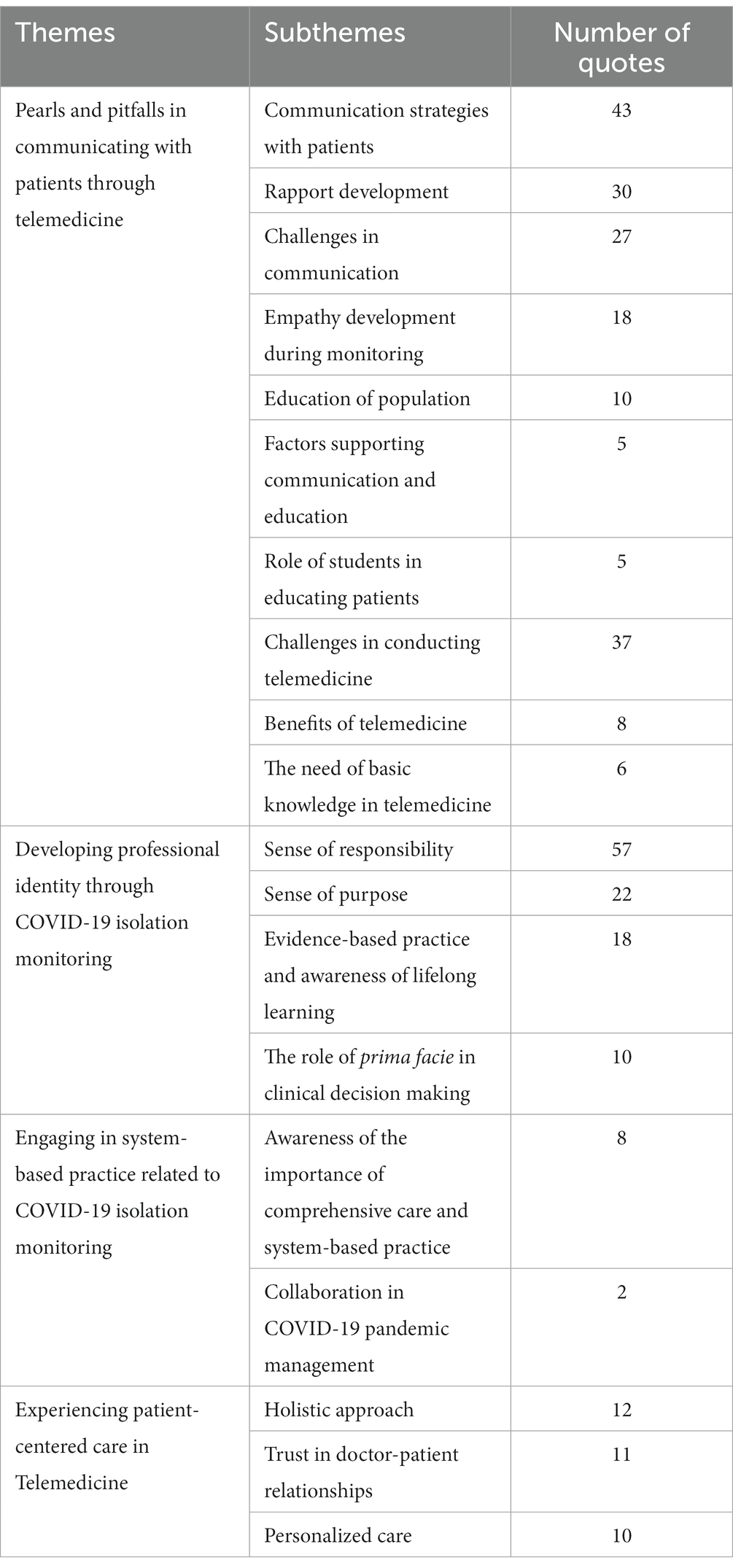
In a recent study, researchers delved into the transformative impact of a telemedicine-based course on undergraduate medical students during the COVID-19 pandemic. As the pandemic reshaped the landscape of healthcare, telemedicine emerged as a vital tool, not only in patient care but also in medical education.
AI technology holds the potential to improve clinical outcomes, reduce healthcare costs, and enhance population health. In the realm of preventive care, AI is being utilized in radiology to expedite cancer screenings, such as mammograms and lung cancer screenings.
The transformation is paving the way for a future where care is more personalized, and the ecosystem is inclusive for medical practitioners and providers to proactively manage patients' health. A key component of this evolution is medical networking, which is being redefined by the collaborative exchange of data among practitioners, professionals, and healthcare facilities.
As the UAE's population continues to surge, developers are seizing the opportunity to transform the sprawling desert into vibrant residential communities.