The Role of Telehealth, AI, and Wearables in Modern Healthcare
In an era where technology is reshaping every facet of our lives, healthcare stands at the forefront of this digital revolution. As we delve into 2024, the integration of telehealth, AI, and wearable technologies is setting new benchmarks in patient care and accessibility.
Telehealth: A Game Changer Telehealth has emerged as a pivotal force in modern healthcare, dramatically transforming the delivery of medical services. The COVID-19 pandemic acted as a catalyst, with a reported 154% increase in telehealth visits during the last week of March 2020 compared to the same period in 2019. This surge underscores telehealth’s scalability and versatility, especially in mental health services, where virtual care has become indispensable.
Moreover, the financial implications of telehealth are profound. A study in the American Journal of Emergency Medicine highlighted cost savings through reduced non-urgent emergency department visits. According to a McKinsey report, up to $250 billion of U.S. healthcare spending could be virtualized, showcasing telehealth’s potential to revolutionize healthcare economics.
Cross-industry Applications
The influence of telehealth extends beyond traditional healthcare. In education, it bridges the gap between medical knowledge and practical application, as evidenced by a Journal of Medical Internet Research study on telehealth simulation training. Additionally, corporate wellness programs are increasingly incorporating telehealth, enhancing employee well-being and productivity.
Technological Integration: No-Code and Low-Code Platforms
The integration of No-Code (NC) and Low-Code (LC) platforms is another transformative trend in healthcare. These platforms enable rapid development of digital solutions, crucial for adapting to evolving healthcare scenarios. A study in the Healthcare Management Review found that NC and LC platforms could accelerate clinical application development by 50-70%, significantly reducing time-to-market.
Financially, these platforms are a boon for healthcare organizations facing budget constraints, with reports indicating up to a 20% reduction in application development costs.
Personalized Telehealth: Enhancing Patient Experience
Personalization in telehealth is key to enhancing patient and consumer experiences. Tailoring services to individual preferences not only improves patient satisfaction but also boosts adherence and outcomes in chronic disease management. A study in Diabetes Technology & Therapeutics demonstrated that personalized telehealth coaching significantly improved glycemic control compared to standard care.
Future Prospects
Looking ahead, two compelling developments are poised to redefine healthcare:
AI-driven Diagnostics and Personalized Medicine:AI and Machine Learning are enhancing diagnostic accuracy and treatment efficacy, with expectations of significant advancements in early disease detection and personalized treatment plans by 2024.
Wearable Technology for Chronic Disease Management: Wearable devices are transforming patient monitoring, enabling timely interventions and potentially reducing hospital costs and readmission rates.
As we navigate this technological leap, the emphasis on equitable access to digital health by organizations like the World Health Organization highlights the need for inclusive and ethical technology deployment. The healthcare industry is on the brink of a new epoch, where technology plays a central role in shaping a healthier, more connected world.
More Articles
Getting licensed or staying ahead in your career can be a journey—but it doesn’t have to be overwhelming. Grab your favorite coffee or tea, take a moment to relax, and browse through our articles. Whether you’re just starting out or renewing your expertise, we’ve got tips, insights, and advice to keep you moving forward. Here’s to your success—one sip and one step at a time!
Florida homeowners — especially in hard‑hit South Florida — are set to see rare and substantial reductions in their property insurance premiums. Gov. Ron DeSantis announced an average statewide Citizens Insurance decrease of 8.7%, with even larger savings of up to 14% in counties like Miami-Dade, Broward, and Palm Beach. State officials credit recent legal and regulatory reforms for stabilizing the market, attracting new insurers, and delivering the first meaningful rate relief Floridians have seen in years.
Tampa’s commercial real estate market isn’t slowing—it’s maturing. With strong population growth, rising office demand, a normalized industrial sector, resurgent retail, and an emerging health‑care real estate boom, investors are shifting from speed to strategy. Tighter underwriting, cautious capital and increased due‑diligence are shaping a more disciplined market, creating new opportunities for informed professionals.
Florida homeowners are finally seeing relief as Citizens Property Insurance announces a major 8.7% average rate decrease—far larger than originally proposed. Driven by legislative reforms, fewer lawsuits, and a calm hurricane season, the state’s once‑unstable insurance market is showing real signs of recovery. But with reduced coverage limits and shifting legal protections, experts warn that lower premiums may come with hidden trade‑offs.
After a decade of rising premiums and retreating carriers, Florida homeowners are finally seeing long‑awaited relief. Dozens of insurers have filed for rate decreases—some as high as 11%—thanks to legislative reforms and a stabilizing market. Early approvals are already hitting counties across the state, and experts say the momentum could boost buyer confidence, affordability, and competition throughout Florida’s real estate and insurance sectors.
After years of slowed activity caused by rising interest rates, the self‑storage industry is heating up again. New data from Marcus & Millichap shows a fresh market cycle emerging, driven by renewed buyer confidence, recalibrated pricing, and stronger lender participation. Acquisitions are rebounding, development is resetting in a healthier direction, and financing conditions are improving—creating one of the most promising investment landscapes the sector has seen in years.
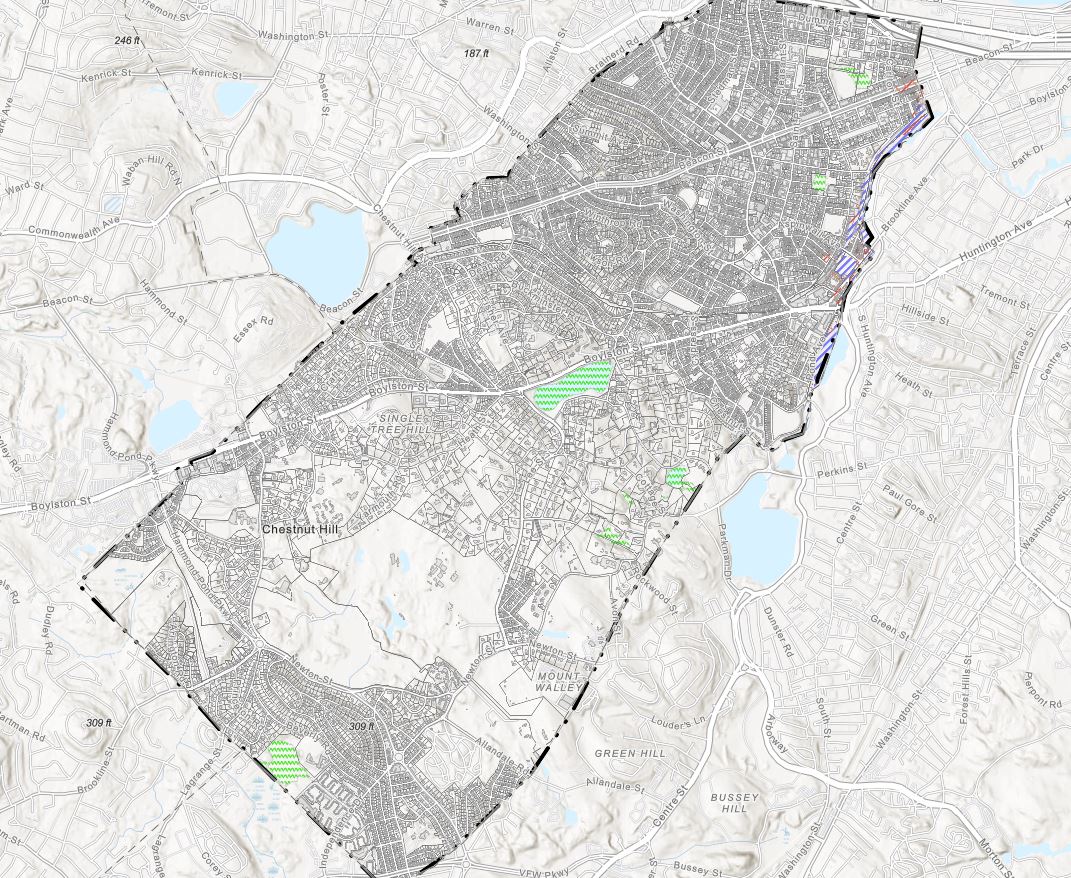
Brookline’s newly updated FEMA flood maps identify 97 high‑risk parcels, but local experts warn the true threat is far greater. While FEMA highlights river‑based flooding around Leverett Pond and the Muddy River, alternative models show more than 1,300 Brookline properties at risk within 30 years. Hidden vulnerabilities along major corridors like Beacon Street, rising rainfall intensity, aging infrastructure, and climate‑driven storm patterns suggest that many “low‑risk” areas may be anything but safe.