The Role of Telehealth, AI, and Wearables in Modern Healthcare
In an era where technology is reshaping every facet of our lives, healthcare stands at the forefront of this digital revolution. As we delve into 2024, the integration of telehealth, AI, and wearable technologies is setting new benchmarks in patient care and accessibility.
Telehealth: A Game Changer Telehealth has emerged as a pivotal force in modern healthcare, dramatically transforming the delivery of medical services. The COVID-19 pandemic acted as a catalyst, with a reported 154% increase in telehealth visits during the last week of March 2020 compared to the same period in 2019. This surge underscores telehealth’s scalability and versatility, especially in mental health services, where virtual care has become indispensable.
Moreover, the financial implications of telehealth are profound. A study in the American Journal of Emergency Medicine highlighted cost savings through reduced non-urgent emergency department visits. According to a McKinsey report, up to $250 billion of U.S. healthcare spending could be virtualized, showcasing telehealth’s potential to revolutionize healthcare economics.
Cross-industry Applications
The influence of telehealth extends beyond traditional healthcare. In education, it bridges the gap between medical knowledge and practical application, as evidenced by a Journal of Medical Internet Research study on telehealth simulation training. Additionally, corporate wellness programs are increasingly incorporating telehealth, enhancing employee well-being and productivity.
Technological Integration: No-Code and Low-Code Platforms
The integration of No-Code (NC) and Low-Code (LC) platforms is another transformative trend in healthcare. These platforms enable rapid development of digital solutions, crucial for adapting to evolving healthcare scenarios. A study in the Healthcare Management Review found that NC and LC platforms could accelerate clinical application development by 50-70%, significantly reducing time-to-market.
Financially, these platforms are a boon for healthcare organizations facing budget constraints, with reports indicating up to a 20% reduction in application development costs.
Personalized Telehealth: Enhancing Patient Experience
Personalization in telehealth is key to enhancing patient and consumer experiences. Tailoring services to individual preferences not only improves patient satisfaction but also boosts adherence and outcomes in chronic disease management. A study in Diabetes Technology & Therapeutics demonstrated that personalized telehealth coaching significantly improved glycemic control compared to standard care.
Future Prospects
Looking ahead, two compelling developments are poised to redefine healthcare:
AI-driven Diagnostics and Personalized Medicine:AI and Machine Learning are enhancing diagnostic accuracy and treatment efficacy, with expectations of significant advancements in early disease detection and personalized treatment plans by 2024.
Wearable Technology for Chronic Disease Management: Wearable devices are transforming patient monitoring, enabling timely interventions and potentially reducing hospital costs and readmission rates.
As we navigate this technological leap, the emphasis on equitable access to digital health by organizations like the World Health Organization highlights the need for inclusive and ethical technology deployment. The healthcare industry is on the brink of a new epoch, where technology plays a central role in shaping a healthier, more connected world.
More Articles
Getting licensed or staying ahead in your career can be a journey—but it doesn’t have to be overwhelming. Grab your favorite coffee or tea, take a moment to relax, and browse through our articles. Whether you’re just starting out or renewing your expertise, we’ve got tips, insights, and advice to keep you moving forward. Here’s to your success—one sip and one step at a time!
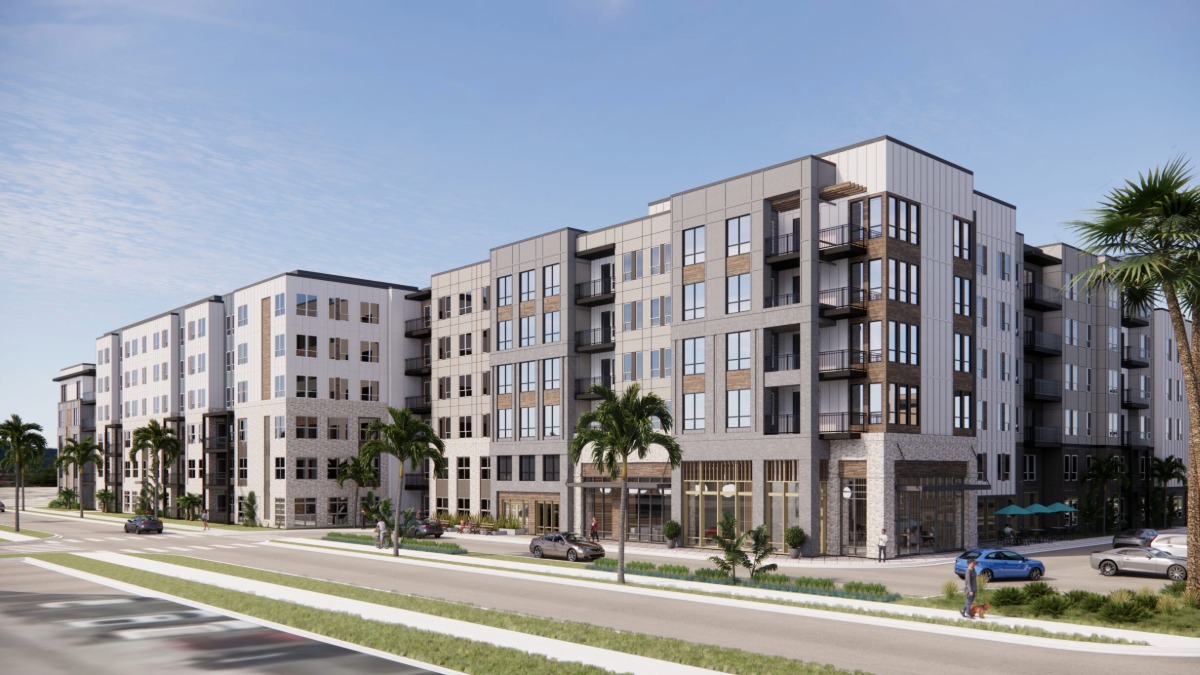
Landmark Properties has officially begun construction on The Mark Tampa, a six‑story luxury student community featuring over 800 beds, rooftop amenities, study spaces, retail, and modern unit layouts. Set to open before the 2027–2028 school year, the project signals strong investor confidence in North Tampa’s booming student housing market.
Florida’s property and auto insurance crisis is intensifying, setting the stage for a major political showdown ahead of the 2026 elections. Republicans argue recent reforms are finally stabilizing the market, while Democrats insist families are being crushed by soaring premiums and can’t wait for relief. With homeowners, condo associations, and insurers all feeling the pressure, lawmakers are preparing for one of the most consequential legislative battles in years.
Markets are betting heavily on a Federal Reserve rate cut in December, but that doesn’t guarantee lower mortgage rates. Even with an 85% chance of a cut priced in, mortgage rates move more with the 10‑year Treasury than the Fed itself — and recent history shows rates can rise even when the Fed eases. Today’s 6.43% average rate is the lowest in over a year, but still unpredictable, making financial readiness more important than trying to time the market.
Grand Junction is experiencing a powerful commercial real estate upswing, with 151 commercial units closed so far in 2025—a 36% jump from last year. Building permits are also up 23%, signaling expanding development momentum. Brokers say interest from national chains is accelerating the city’s evolution, bringing jobs, investment, and long‑term economic potential to Colorado’s Western Slope.
Nashville continues its rise as one of the nation’s most attractive real estate markets, landing the #6 spot in the Emerging Trends in Real Estate 2026 report from PwC and ULI. With strong demographic momentum, business expansion, and a development pipeline drawing national eyes, the city stands out amid shifting economic conditions. The report highlights fast‑growing sectors such as data centers, senior housing, and evolving office dynamics—offering real estate professionals valuable insight into where opportunities are emerging next.
Canada’s commercial real estate sector continues to evolve rapidly, with new data revealing major transactions, shifting investment patterns, and emerging economic signals across the country. From resilient retail spending to cooling construction and regional standouts like Montreal and the Prairies, this week’s CRE pulse—powered by Altus Group’s research team—gives real estate, mortgage, and finance professionals a sharp snapshot of the market forces to watch as 2025 winds down.