The Role of Wearable Devices in Chronic Disease Monitoring and Patient Care: A Comprehensive Review

In the ever-evolving landscape of healthcare, wearable health devices have emerged as pivotal tools in the management of chronic diseases. These devices, ranging from sophisticated smartwatches to implanted sensors, offer real-time monitoring and personalized care, thus transforming patient outcomes and healthcare delivery.
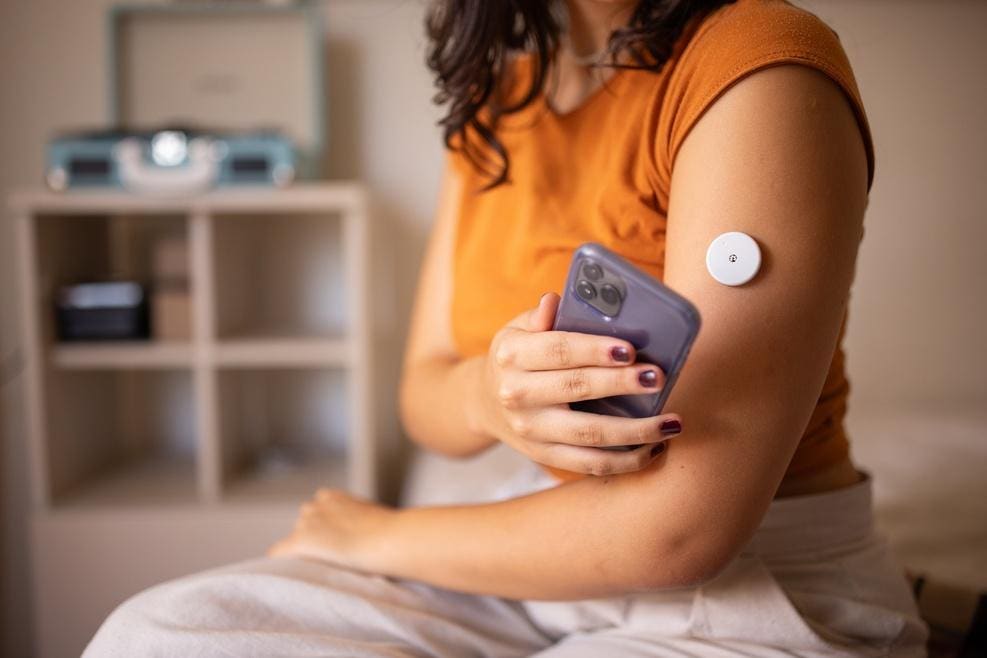
Revolutionizing Chronic Disease Management Wearable devices have become integral in managing chronic conditions such as diabetes, cardiovascular diseases, and respiratory disorders. By providing continuous health data, these devices empower patients and healthcare professionals with insights that were previously unattainable. For instance, continuous glucose monitors (CGMs) have revolutionized diabetes management, offering real-time glucose readings that lead to precise insulin dosing and improved glycemic control.
Moreover, wearable technologies play a crucial role in cardiology by monitoring heart rate and blood pressure, aiding in the detection of arrhythmias, and supporting cardiac rehabilitation. In respiratory health, these devices continuously track vital indicators like respiratory rate and oxygen saturation, facilitating early diagnosis and treatment of conditions such as asthma and COPD.
Challenges and Opportunities Despite their potential, wearable health devices face several challenges. Data accuracy and reliability remain significant concerns, especially under varying physical conditions. Integrating wearable data with existing health records poses operational challenges, necessitating standardized protocols and robust data structures.
Data privacy and security are also critical issues. The continuous collection and transmission of sensitive health information expose users to potential data breaches. Ensuring confidentiality and compliance with regulatory standards like HIPAA and GDPR is essential to build trust among users and healthcare providers.
Cost is another barrier to widespread adoption, particularly in resource-constrained settings. While prices have declined, the initial investment in hardware, software, and training can be prohibitive for some patients and healthcare professionals.
Expanding the Horizon The potential of wearable devices extends beyond individual health management to broader public health interventions. Aggregate data from these devices can provide valuable insights into public health issues, disease outbreaks, and the effectiveness of interventions. This capability positions wearable devices as powerful tools for conducting extensive epidemiological studies and shaping public health policies.
Conclusion As wearable health devices continue to evolve, their integration into healthcare systems signifies a step toward improved patient care and resource utilization. To fully harness their benefits, continuous innovations and collaborations among healthcare professionals, researchers, and technology developers are essential. Addressing challenges related to data accuracy, privacy, and cost will be crucial in realizing the full potential of wearable devices in chronic disease management.
For more insights, refer to the original article on Cureus.

More Articles

Getting licensed or staying ahead in your career can be a journey—but it doesn’t have to be overwhelming. Grab your favorite coffee or tea, take a moment to relax, and browse through our articles. Whether you’re just starting out or renewing your expertise, we’ve got tips, insights, and advice to keep you moving forward. Here’s to your success—one sip and one step at a time!

Navigating the Investment Landscape: Opportunities and Challenges in 2025

The year 2025 promises to be a period of fast-paced change, elevated risk, and outsized opportunity, as firms navigate the complexities of modern investment strategies.

By |January 3, 2025|Categories: Article, Finance, Technology|Tags: , |0 Comments

CES 2025: A Glimpse into the Future of Technology

CES 2025 is set to be a groundbreaking event, spotlighting the evolution of technology across various sectors, with innovations that will redefine industries and everyday life.

Top Tech Upgrades Consumers Anticipate in 2025

The convergence of personalization, connectivity, sustainability, and intuitive design will push companies to meet the sophisticated demands of modern consumers.

By |January 2, 2025|Categories: Article, Consumer Electronics, Technology|Tags: , |0 Comments

China Leads the Charge in Sustainable Housing with “Green and Healthy Housing” Initiative

China is at the forefront of a revolutionary shift in sustainable housing, aiming to significantly reduce the environmental impact of the construction industry. This initiative, aptly named “Green and Healthy Housing,” is setting the stage for a new era of eco-friendly living by integrating sustainable materials, cutting-edge green technologies, and encouraging a change in the behavior of key players in the housing market.

Revolutionizing Healthcare: The Rise of Wearable Technologies

In a world where technology continues to redefine the boundaries of healthcare, wearable health technologies are making waves, offering patients the ability to monitor their health from the comfort of their homes.


By |January 2, 2025|Categories: Article, Healthcare, Technology|Tags: , |0 Comments