“`html

As the nation continues to wrestle with the persistent issue of housing affordability, zoning laws have come under the spotlight as potential barriers or facilitators in the quest for more accessible housing. According to a recent article by the National Association of Home Builders (NAHB), zoning and land use policies can either constrain or promote housing production, largely depending on their structure.

The article highlights how incentives such as density bonuses and streamlined approval processes can encourage the development of affordable housing by promoting efficiency in building timelines and increasing the number of units to meet demand. However, common zoning barriers like minimum lot sizes and height restrictions often limit supply and hinder development.

Understanding Zoning Regulations

Zoning regulations dictate how land can be utilized in specific areas, typically within a city or county. These ordinances control permissible activities on a piece of land and set limits on building size, height, density, and location. The concept of zoning emerged in the U.S. in the early 20th century, with New York City enacting the first comprehensive zoning ordinance in 1916. This aimed to tackle issues such as overcrowding and incompatible land uses.

A landmark U.S. Supreme Court case, Village of Euclid v. Ambler Realty Co., in 1926, validated zoning ordinances as constitutional under the police power of local governments, provided they relate to public health, safety, morals, or general welfare. This led to the widespread adoption of “Euclidian Zoning,” which allows one kind of land use per zone.

Inclusionary Zoning: A Double-Edged Sword

Inclusionary zoning (IZ) policies require developers to include a percentage of affordable housing units in new developments. While intended to boost affordability, these policies often act as additional taxes on developers, leading to unintended consequences like increased costs for market-rate units and reduced overall housing production. A study of Los Angeles’s Transit-Oriented Communities (TOC) program found a significant decline in housing production with IZ requirements.

Various reports, including one from the Mercatus Center at George Mason University, have shown that IZ has minimal impact on real housing supply and can even cause prices to rise faster in areas with such policies.

Overcoming Zoning Barriers

Zoning regulations have historically acted as barriers to affordable housing by favoring single-family zoning and larger homes on larger lots. However, some states are working to override local exclusionary zoning laws. For instance, California’s laws, such as SB 9 and SB 10, allow for duplexes and small multifamily developments in areas previously zoned for single-family homes. Similarly, New York is advancing policies to pre-empt local zoning rules to encourage higher-density housing near transit stations.

The NAHB article emphasizes the need for thoughtful adjustments to zoning policies and regulatory frameworks to create an environment where safe, affordable housing is accessible to all. By adopting broader zoning laws and offering incentives like density bonuses, policymakers can work towards a future where housing is abundant and affordable for a broader range of residents.


“`

More Articles

Getting licensed or staying ahead in your career can be a journey—but it doesn’t have to be overwhelming. Grab your favorite coffee or tea, take a moment to relax, and browse through our articles. Whether you’re just starting out or renewing your expertise, we’ve got tips, insights, and advice to keep you moving forward. Here’s to your success—one sip and one step at a time!

Florida Homeowners Finally Get Relief as Gov. DeSantis Announces Significant Insurance Premium Cuts

Florida homeowners — especially in hard‑hit South Florida — are set to see rare and substantial reductions in their property insurance premiums. Gov. Ron DeSantis announced an average statewide Citizens Insurance decrease of 8.7%, with even larger savings of up to 14% in counties like Miami-Dade, Broward, and Palm Beach. State officials credit recent legal and regulatory reforms for stabilizing the market, attracting new insurers, and delivering the first meaningful rate relief Floridians have seen in years.

Tampa’s Real Estate Market Enters a Smarter, More Selective Growth Phase

Tampa’s commercial real estate market isn’t slowing—it’s maturing. With strong population growth, rising office demand, a normalized industrial sector, resurgent retail, and an emerging health‑care real estate boom, investors are shifting from speed to strategy. Tighter underwriting, cautious capital and increased due‑diligence are shaping a more disciplined market, creating new opportunities for informed professionals.

Florida Slashes Home Insurance Rates: Biggest Drop in a Decade Sends Shockwaves Through the Market

Florida homeowners are finally seeing relief as Citizens Property Insurance announces a major 8.7% average rate decrease—far larger than originally proposed. Driven by legislative reforms, fewer lawsuits, and a calm hurricane season, the state’s once‑unstable insurance market is showing real signs of recovery. But with reduced coverage limits and shifting legal protections, experts warn that lower premiums may come with hidden trade‑offs.

Florida Homeowners Finally Get Insurance Relief After Years of Soaring Premiums

After a decade of rising premiums and retreating carriers, Florida homeowners are finally seeing long‑awaited relief. Dozens of insurers have filed for rate decreases—some as high as 11%—thanks to legislative reforms and a stabilizing market. Early approvals are already hitting counties across the state, and experts say the momentum could boost buyer confidence, affordability, and competition throughout Florida’s real estate and insurance sectors.

Self‑Storage Investing in 2026: A Market Thaw Opens the Door to Big Opportunities

After years of slowed activity caused by rising interest rates, the self‑storage industry is heating up again. New data from Marcus & Millichap shows a fresh market cycle emerging, driven by renewed buyer confidence, recalibrated pricing, and stronger lender participation. Acquisitions are rebounding, development is resetting in a healthier direction, and financing conditions are improving—creating one of the most promising investment landscapes the sector has seen in years.

Brookline’s Real Flood Risk: What FEMA’s New Maps Reveal—and What They Miss

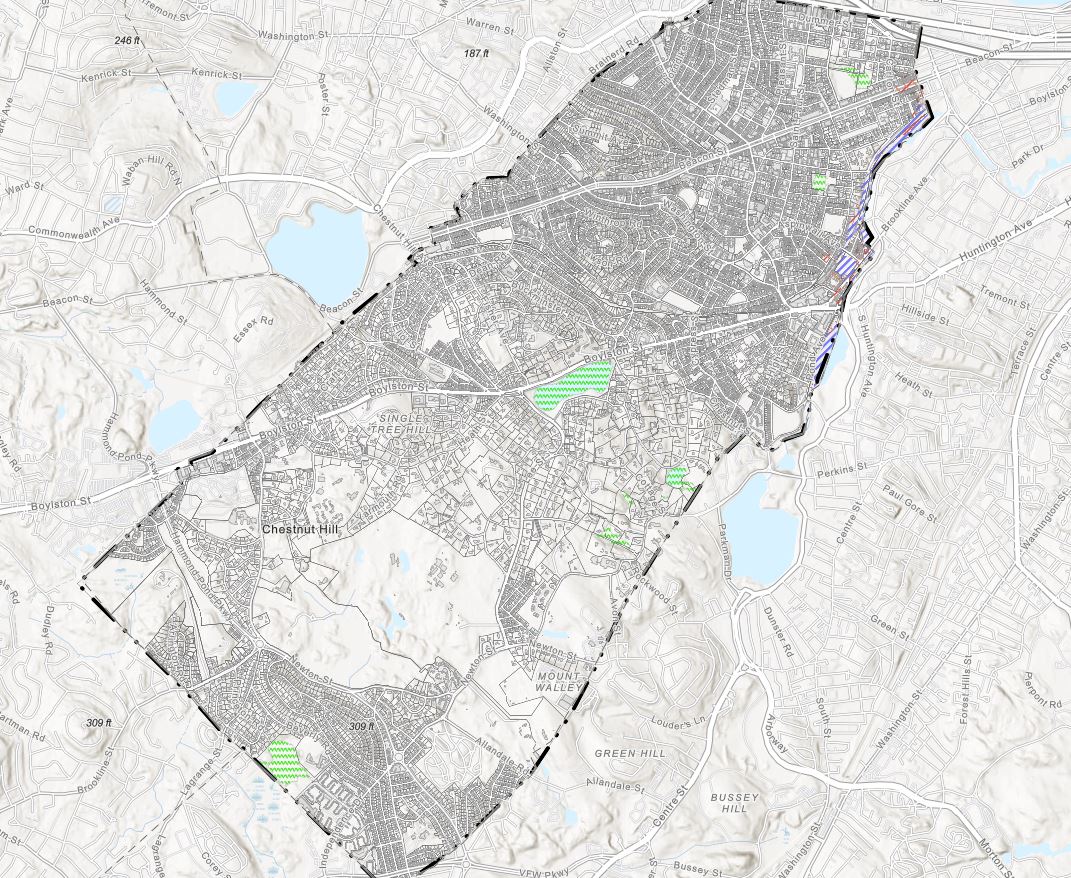
Brookline’s newly updated FEMA flood maps identify 97 high‑risk parcels, but local experts warn the true threat is far greater. While FEMA highlights river‑based flooding around Leverett Pond and the Muddy River, alternative models show more than 1,300 Brookline properties at risk within 30 years. Hidden vulnerabilities along major corridors like Beacon Street, rising rainfall intensity, aging infrastructure, and climate‑driven storm patterns suggest that many “low‑risk” areas may be anything but safe.