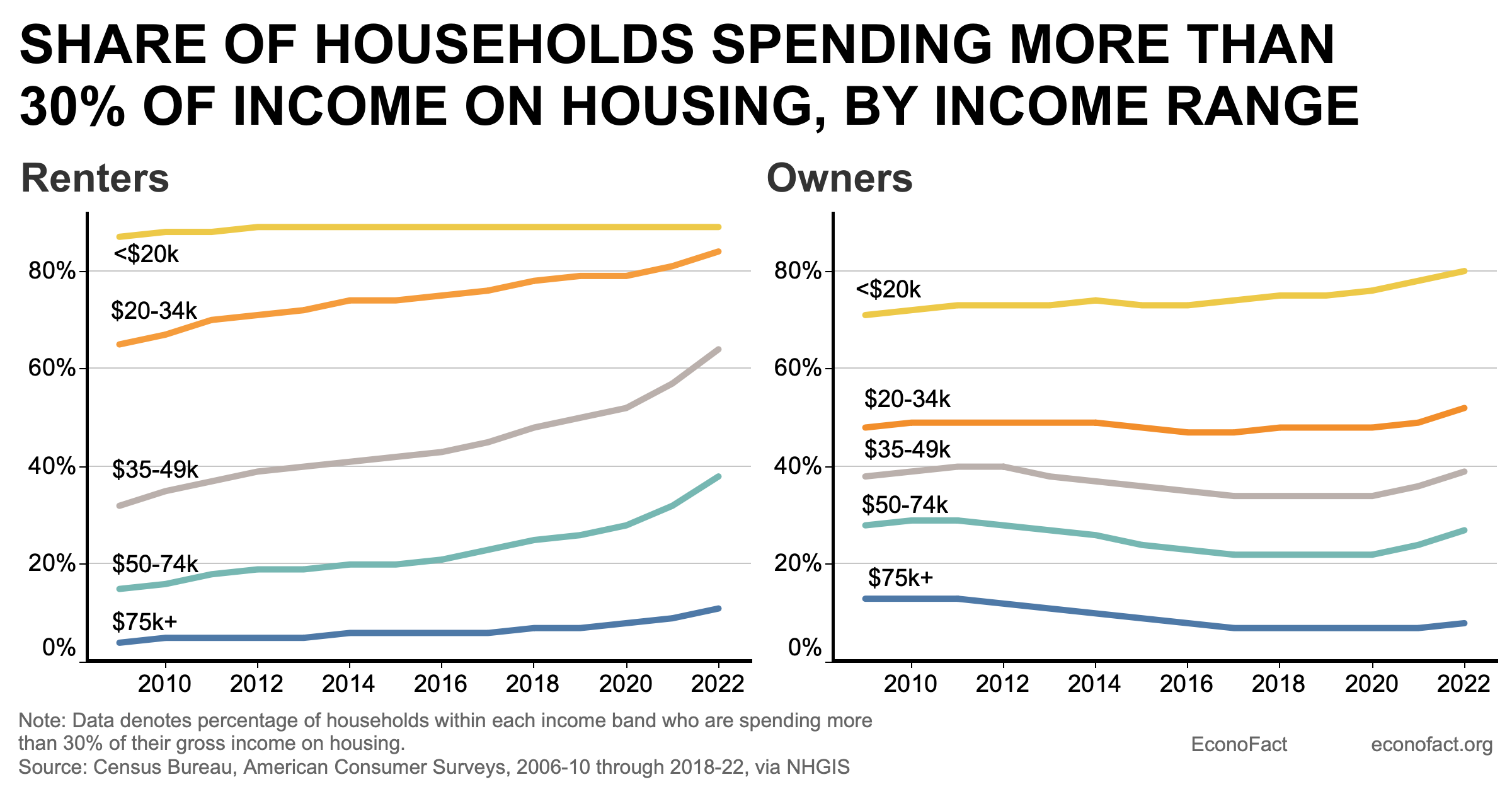
As the nation confronts the ongoing housing affordability crisis, a key focus has emerged on the role of zoning regulations in either hindering or promoting the construction of affordable housing. These regulations, which dictate land use and building specifics, have come under scrutiny for their potential to either restrict or facilitate housing production.
Zoning laws, historically rooted in early 20th-century urbanization efforts, have evolved significantly since New York City’s pioneering ordinance in 1916. This landmark regulation sought to manage urban density and building heights, setting a precedent for what would become known as Euclidean Zoning. This form of zoning, legitimized by the U.S. Supreme Court in the 1926 case Village of Euclid v. Ambler Realty Co., remains the most prevalent type in the United States.
However, the intricacies of zoning laws often create barriers to housing development. Common obstacles such as minimum lot sizes, height restrictions, and parking requirements can limit the supply of affordable units. Conversely, incentives like density bonuses and streamlined approval processes can encourage developers to build more accessible housing.
Inclusionary Zoning: A Double-Edged Sword
One strategy, Inclusionary Zoning (IZ), mandates that a portion of new developments include affordable units. However, this approach can inadvertently increase costs for market-rate units and reduce overall housing production. A study on Los Angeles’s Transit-Orientated Communities program revealed that a 20% IZ requirement could slash new housing production by nearly half.
Similarly, a 2019 report from the Mercatus Center highlighted that IZ often fails to significantly boost real housing supply, with minimal impact on multifamily starts and a decrease in single-family starts.
Innovative Approaches to Overcome Zoning Barriers
Cities like Salt Lake City and Minneapolis are pioneering efforts to overcome zoning barriers. Salt Lake City, for instance, allows missing middle housing types in areas traditionally zoned for single-family homes, exempting them from certain lot requirements. Minneapolis has seen a 45% increase in permits for 2-4 unit buildings due to reduced parking mandates.
On a broader scale, states like California and New York are implementing policies to pre-empt local zoning laws that restrict housing supply. California’s SB 9 and SB 10 enable duplexes and small multifamily developments in single-family zones, while New York’s initiatives aim to increase density near transit hubs.
Looking Ahead
As policymakers strive to create a more equitable housing landscape, the challenge lies in crafting zoning laws that balance density with livability. Thoughtful zoning reforms, coupled with incentives for developers, can significantly enhance affordable housing efforts. By embracing innovative approaches and fostering public-private partnerships, we can work towards a future where housing is accessible for all.
For further insights, explore the original article from the National Association of Home Builders, which delves deeper into the complexities of zoning and housing affordability.