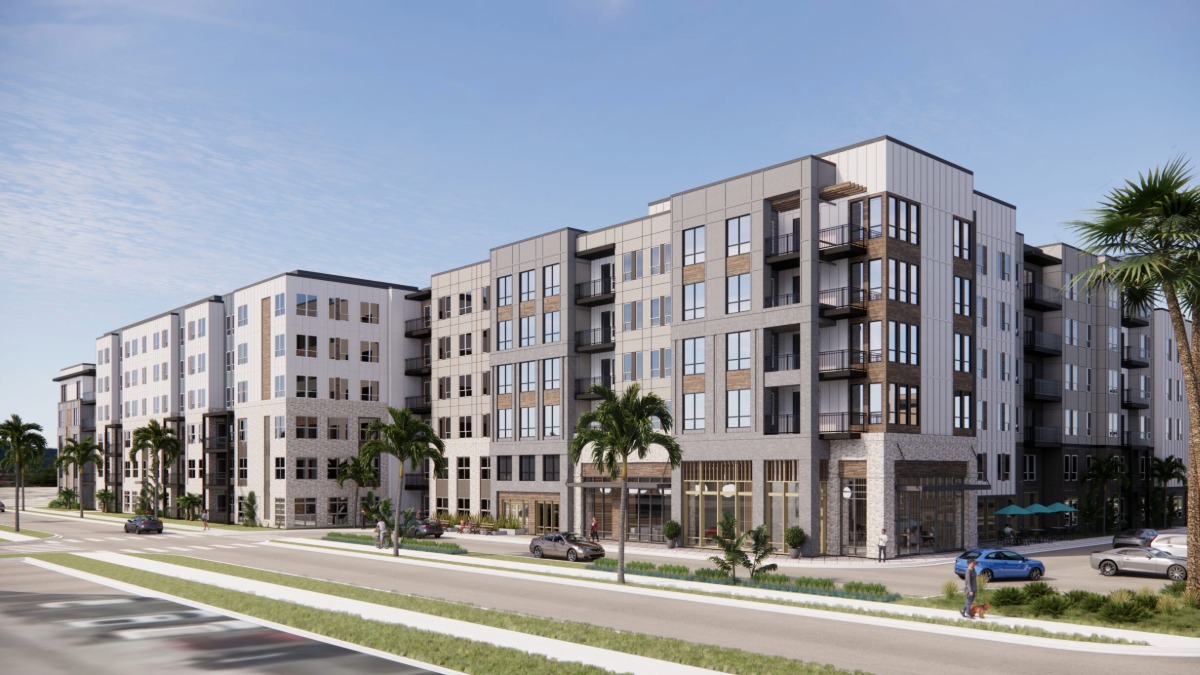
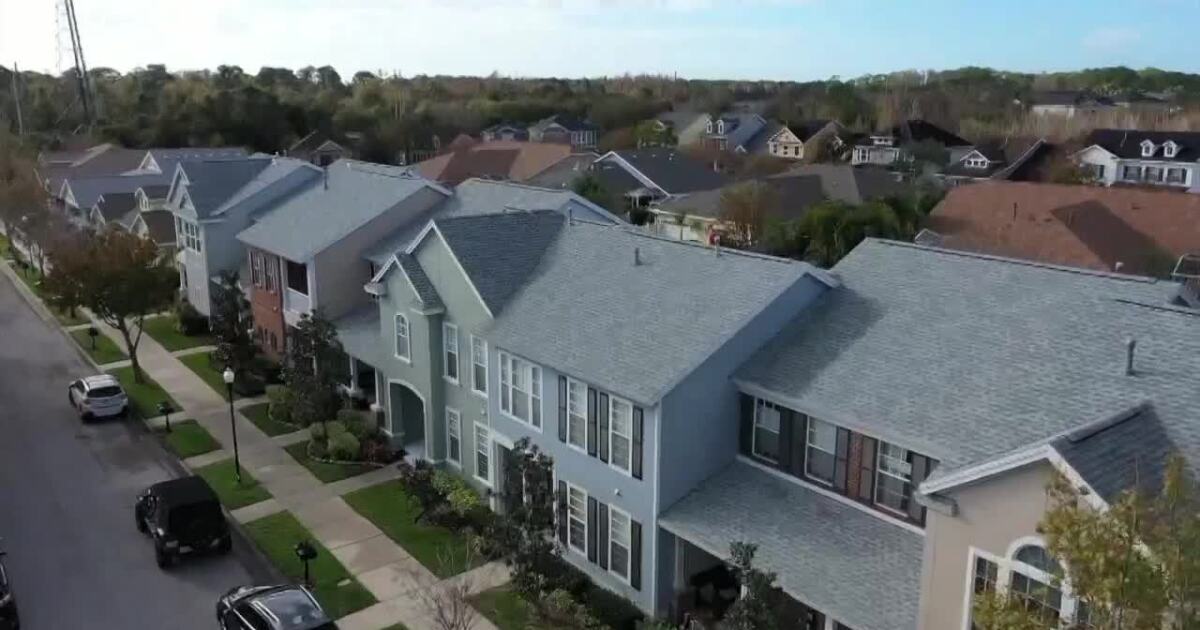
As the nation confronts the ongoing housing affordability crisis, a key focus has emerged on the role of zoning regulations in either hindering or promoting the construction of affordable housing. These regulations, which dictate land use and building specifics, have come under scrutiny for their potential to either restrict or facilitate housing production.


Zoning laws, historically rooted in early 20th-century urbanization efforts, have evolved significantly since New York City’s pioneering ordinance in 1916. This landmark regulation sought to manage urban density and building heights, setting a precedent for what would become known as Euclidean Zoning. This form of zoning, legitimized by the U.S. Supreme Court in the 1926 case Village of Euclid v. Ambler Realty Co., remains the most prevalent type in the United States.


However, the intricacies of zoning laws often create barriers to housing development. Common obstacles such as minimum lot sizes, height restrictions, and parking requirements can limit the supply of affordable units. Conversely, incentives like density bonuses and streamlined approval processes can encourage developers to build more accessible housing.


Inclusionary Zoning: A Double-Edged Sword

One strategy, Inclusionary Zoning (IZ), mandates that a portion of new developments include affordable units. However, this approach can inadvertently increase costs for market-rate units and reduce overall housing production. A study on Los Angeles’s Transit-Orientated Communities program revealed that a 20% IZ requirement could slash new housing production by nearly half.


Similarly, a 2019 report from the Mercatus Center highlighted that IZ often fails to significantly boost real housing supply, with minimal impact on multifamily starts and a decrease in single-family starts.


Innovative Approaches to Overcome Zoning Barriers

Cities like Salt Lake City and Minneapolis are pioneering efforts to overcome zoning barriers. Salt Lake City, for instance, allows missing middle housing types in areas traditionally zoned for single-family homes, exempting them from certain lot requirements. Minneapolis has seen a 45% increase in permits for 2-4 unit buildings due to reduced parking mandates.


On a broader scale, states like California and New York are implementing policies to pre-empt local zoning laws that restrict housing supply. California’s SB 9 and SB 10 enable duplexes and small multifamily developments in single-family zones, while New York’s initiatives aim to increase density near transit hubs.


Looking Ahead

As policymakers strive to create a more equitable housing landscape, the challenge lies in crafting zoning laws that balance density with livability. Thoughtful zoning reforms, coupled with incentives for developers, can significantly enhance affordable housing efforts. By embracing innovative approaches and fostering public-private partnerships, we can work towards a future where housing is accessible for all.


For further insights, explore the original article from the National Association of Home Builders, which delves deeper into the complexities of zoning and housing affordability.

More Articles

Getting licensed or staying ahead in your career can be a journey—but it doesn’t have to be overwhelming. Grab your favorite coffee or tea, take a moment to relax, and browse through our articles. Whether you’re just starting out or renewing your expertise, we’ve got tips, insights, and advice to keep you moving forward. Here’s to your success—one sip and one step at a time!

The Mark Tampa Breaks Ground on 800‑Bed Luxury Student Housing Near USF

Landmark Properties has officially begun construction on The Mark Tampa, a six‑story luxury student community featuring over 800 beds, rooftop amenities, study spaces, retail, and modern unit layouts. Set to open before the 2027–2028 school year, the project signals strong investor confidence in North Tampa’s booming student housing market.

Florida’s Insurance Costs Erupt Into a 2026 Election Flashpoint

Florida’s property and auto insurance crisis is intensifying, setting the stage for a major political showdown ahead of the 2026 elections. Republicans argue recent reforms are finally stabilizing the market, while Democrats insist families are being crushed by soaring premiums and can’t wait for relief. With homeowners, condo associations, and insurers all feeling the pressure, lawmakers are preparing for one of the most consequential legislative battles in years.

A December Fed Cut Could Be Coming — But Don’t Expect Mortgage Rates to Drop

Markets are betting heavily on a Federal Reserve rate cut in December, but that doesn’t guarantee lower mortgage rates. Even with an 85% chance of a cut priced in, mortgage rates move more with the 10‑year Treasury than the Fed itself — and recent history shows rates can rise even when the Fed eases. Today’s 6.43% average rate is the lowest in over a year, but still unpredictable, making financial readiness more important than trying to time the market.

Grand Junction’s Commercial Real Estate Market Surges 36% as New Chains Fuel Regional Growth

Grand Junction is experiencing a powerful commercial real estate upswing, with 151 commercial units closed so far in 2025—a 36% jump from last year. Building permits are also up 23%, signaling expanding development momentum. Brokers say interest from national chains is accelerating the city’s evolution, bringing jobs, investment, and long‑term economic potential to Colorado’s Western Slope.

Nashville Ranks #6 in Emerging Trends in Real Estate 2026 Report

Nashville continues its rise as one of the nation’s most attractive real estate markets, landing the #6 spot in the Emerging Trends in Real Estate 2026 report from PwC and ULI. With strong demographic momentum, business expansion, and a development pipeline drawing national eyes, the city stands out amid shifting economic conditions. The report highlights fast‑growing sectors such as data centers, senior housing, and evolving office dynamics—offering real estate professionals valuable insight into where opportunities are emerging next.

CRE This Week: The Key Trends Reshaping Canada’s Commercial Real Estate Market in 2025

Canada’s commercial real estate sector continues to evolve rapidly, with new data revealing major transactions, shifting investment patterns, and emerging economic signals across the country. From resilient retail spending to cooling construction and regional standouts like Montreal and the Prairies, this week’s CRE pulse—powered by Altus Group’s research team—gives real estate, mortgage, and finance professionals a sharp snapshot of the market forces to watch as 2025 winds down.