The SEC’s Big RIA Reclassification: A Small Change With Major M&A Ripples

Business merger collaboration illustration

The Securities and Exchange Commission has proposed a major redefining of what counts as a “small entity” in the world of registered investment advisers (RIAs) — and the change is so dramatic that it would instantly reclassify about 96% of all RIAs as small instead of large.

This is far more than a paperwork adjustment — it’s a shift with potential ripple effects across mergers, acquisitions, compliance operations, and even the momentum of breakaway advisers exploring independence.

Originally reported by PLANADVISER. Explore the full article here: SEC RIA ‘Small Entity’ Redefinition Could Affect M&A

A Massive Jump in the Definition of “Small”

Currently, an RIA is considered a small entity only if it manages less than $25 million in assets. Under the new SEC proposal, “small” would skyrocket to include firms with under $1 billion AUM.

“It’s an absurd jump … a 40-times leap,” says Peter Campagna of Wise Rhino Group. “But I think it’s more about relieving administrative burden. You shouldn’t have the same scrutiny as BlackRock if you’re managing under $1 billion.”

The intention is to reduce regulatory strain on most RIAs — but that relief could still trigger new complications during merger transitions or compliance restructuring.

Why M&A Integration Could Get Tricky

Kim Kovalski of MarshBerry notes that although compliance relief is welcome, the shift introduces integration challenges when formerly “small” firms merge upward. These may include:

  • Upgrading firmwide policies
  • Reworking reporting practices
  • Rebuilding compliance staffing
  • Implementing phased integration plans

These aren’t deal breakers — but they’re hurdles that growing RIAs must prepare for strategically.

M&A Isn’t Slowing Down Anytime Soon

Despite potential complications, the RIA acquisition market remains strong. Last year alone hit record-breaking activity, with buyers still eager and valuations holding steady.

Some firm owners may even feel less urgency to sell if their classification shifts to “small,” reducing compliance pressure.

A Potential Surge in Breakaway Advisers

Campagna also predicts a possible spike in breakaway advisers — professionals leaving large wirehouses to launch independent wealth firms.

“There were advisers who weren’t doing it that would do it now,” Campagna says. “That’s a whole lot of talented people.”

Why Professionals Everywhere Should Pay Attention

Regulatory shifts like this highlight a universal truth across all licensed fields — whether in finance, real estate, insurance, or healthcare — the compliance landscape can evolve fast.

Staying educated, licensed, and current is essential. For professionals seeking new opportunities, expanding certifications, or pivoting industries, Cameron Academy remains a trusted, nationwide resource with programs spanning all 50 states.

In a world where regulation shapes opportunity, the professionals who stay informed — and stay licensed — are the ones who rise to the top.


More Articles

Getting licensed or staying ahead in your career can be a journey—but it doesn’t have to be overwhelming. Grab your favorite coffee or tea, take a moment to relax, and browse through our articles. Whether you’re just starting out or renewing your expertise, we’ve got tips, insights, and advice to keep you moving forward. Here’s to your success—one sip and one step at a time!

Precision Medicine Market: A Tailored Approach Revolutionizing Healthcare

With increasing governmental and private investments, the demand for precision medicine is expected to rise steadily. The commitment to addressing chronic conditions, coupled with strategic industry collaborations and advanced diagnostic tools, will sustain market growth.

U.S. Wearable Medical Devices Market: Growth Trends and Future Prospects

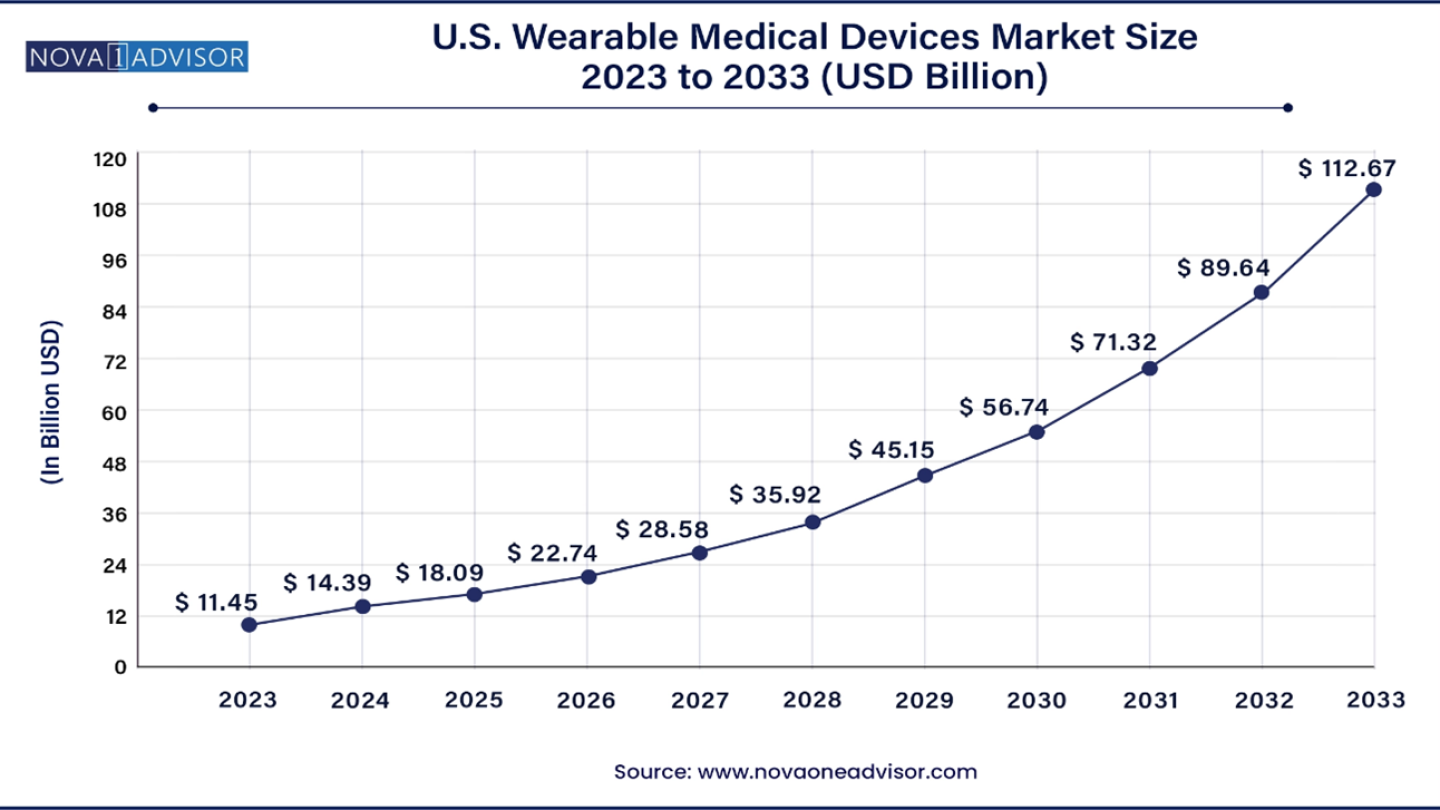
The U.S. wearable medical devices market, currently valued at an estimated $11.45 billion in 2023, is set to experience an astronomical rise to approximately $112.67 billion by 2033.

By |December 3, 2024|Categories: Article, Healthcare, Technology|Tags: |0 Comments

The Future of Real Estate Market: What Lies Ahead?

The real estate market is on the brink of transformation, captivating the attention of buyers, sellers, investors, and industry professionals. As we look toward the end of 2024, experts predict a shift in the landscape, particularly with home prices expected to decline due to increased inventory levels.

By |December 3, 2024|Categories: Article, Market Trends, Real Estate|Tags: , |0 Comments

Bridging the Healthcare Gap in Rural Areas with Telehealth

According to the World Health Organization (WHO), nearly two billion people in rural and remote areas worldwide lack access to essential healthcare solutions. This staggering statistic highlights a critical issue: the digital divide that limits telehealth services, primarily due to inadequate broadband access.

By |December 2, 2024|Categories: Article, Healthcare, Technology|Tags: , |0 Comments

Navigating Ethical Challenges: AI in Healthcare

As AI becomes a staple in medical practice, it carries the risk of reinforcing existing biases entrenched in historical data. These biases can lead to skewed outcomes, particularly affecting marginalized communities such as the LGBTQIA+ and certain ethnic groups.

By |December 2, 2024|Categories: Article, Ethics, Healthcare|Tags: , |0 Comments

New SCLC Biomarkers Enable Advances in Precision Medicine Approaches

A groundbreaking study published in Volume 15 of Oncotarget on October 11, 2024, titled 'Relationship between the expressions of DLL3, ASC1, TTF-1 and Ki-67: First steps of precision medicine at SCLC' showcases pivotal advancements in the fight against small cell lung cancer (SCLC).

By |December 2, 2024|Categories: Article, Cancer Treatment, Medical Research|Tags: , |0 Comments