The Shifting Landscape of Commercial Real Estate: A Glimpse into 2030

As we peer into the future of commercial real estate (CRE), the horizon is painted with both challenges and opportunities. The original article by Netguru explores the anticipated transformation of the CRE market by 2030, driven by evolving work models, technological advancements, and sustainability imperatives.
Hybrid Work and Office Space Dynamics
The COVID-19 pandemic has indelibly altered work patterns, with many companies adopting a hybrid model that reduces the demand for traditional office space. According to Statista, the CRE market is projected to grow at a CAGR of 2.96% from 2024 to 2028, reaching $133.5 trillion. However, a sobering prediction by Fortune magazine highlights $800 billion worth of empty office space in major cities.
Economic Uncertainty and Interest Rates
The CRE market is grappling with economic uncertainty, exacerbated by rising interest rates and inflation. In 2023, property values plummeted by $590 billion, with another $480 billion loss anticipated in 2024, as reported by Fortune. Reports from EY and CBRE attribute these challenges primarily to tighter regulations and stricter credit standards.
Proptech: The Game Changer
In this evolving landscape, proptech emerges as a beacon of hope, promising to streamline CRE operations. From IoT devices to AI-powered platforms, proptech is set to revolutionize the industry by automating mundane tasks and optimizing resource allocation. GenAI applications like property description generators and chatbots are already making waves.
Vacancy Rates and the Hybrid Work Model
The hybrid work model’s persistence means that office vacancy rates will remain elevated. According to McKinsey, office attendance is only at 30% of pre-pandemic levels, and demand in cities like New York and San Francisco will stay subdued. However, the demand for high-quality office spaces could still thrive, as noted by Tony Scacco of Riverside Investment & Development.
The Rise of Data Centers
While office demand wanes, the need for data centers is set to soar. AI’s impact on industries necessitates increased computing power, driving demand for data center space. A JLL report from Q1 2023 highlights $32 billion in AI-related investments, underscoring the potential for CRE to recoup losses.
Sustainability and ESG Initiatives
Sustainability is no longer optional in CRE. As energy prices rise, property owners must prioritize eco-friendly practices to cut costs and comply with regulations. A Deloitte study warns that 60% of businesses lack the infrastructure to meet ESG standards, posing a significant challenge.

Conclusion

The CRE market of 2030 will be shaped by hybrid work, technological innovation, and sustainability demands. As we navigate this new terrain, the ability to adapt and embrace change will be crucial for success.

More Articles

Getting licensed or staying ahead in your career can be a journey—but it doesn’t have to be overwhelming. Grab your favorite coffee or tea, take a moment to relax, and browse through our articles. Whether you’re just starting out or renewing your expertise, we’ve got tips, insights, and advice to keep you moving forward. Here’s to your success—one sip and one step at a time!

Massachusetts Investment Firm Makes Strategic Move Into Connecticut With $3.65M Red Robin-Anchored Purchase

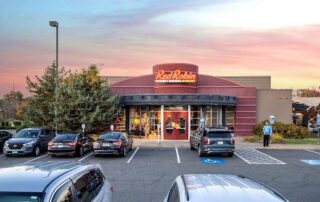
Newman Properties, a Massachusetts-based investment firm, has expanded its footprint into Connecticut with the $3.65 million acquisition of a 6,350‑square‑foot retail building in Enfield. Anchored by national restaurant chain Red Robin, the property offers the type of stable tenancy investors seek when entering new markets. The deal underscores growing confidence in anchored retail assets and provides a valuable real-world example for real estate professionals studying market analysis, investment strategy, and portfolio expansion.

JPMorgan Flags a Sunbelt Slowdown as Florida and Texas See Sharp Home Price Drops

JPMorgan now expects national home prices to flatten in 2026, but the Sunbelt is telling a very different story. Florida home values are down 5.1%, Texas is down 2.4%, and analysts warn that years of rapid building are finally catching up to the region. As demand stabilizes and inventory swells, real estate professionals — especially in Florida — face a market full of challenges, opportunities, and critical timing decisions.

AI Is Reshaping Mortgage Underwriting in 2026 as Industry Pros Brace for Major Change

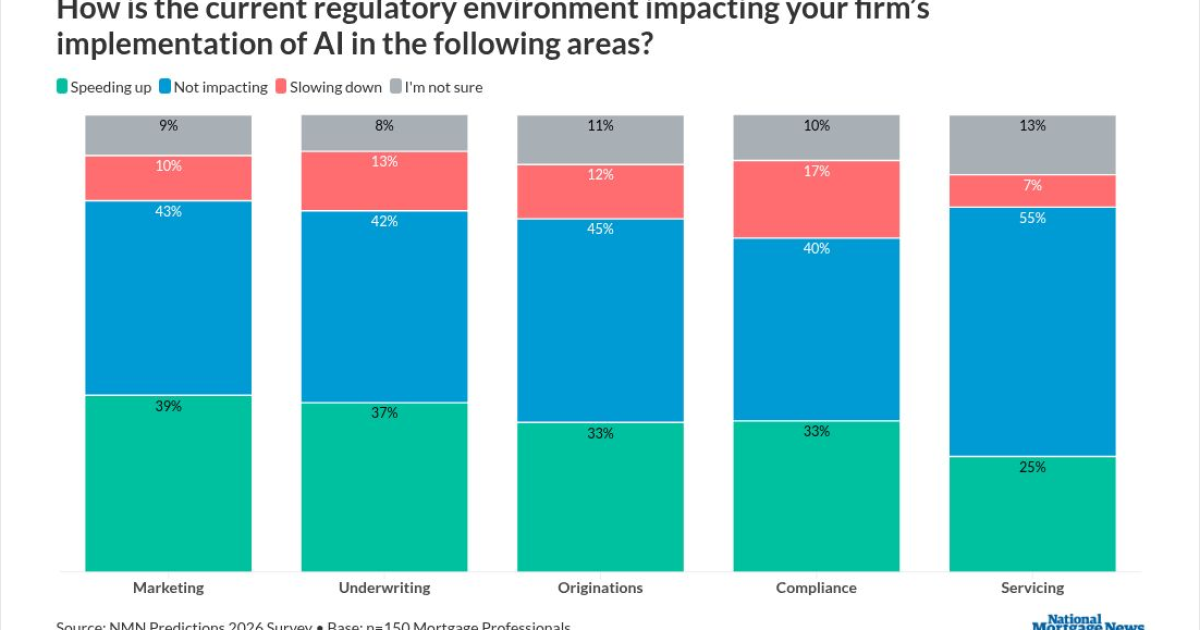
Artificial intelligence is finally stepping into the mortgage underwriting spotlight, with 57% of mortgage professionals predicting it will drive the most transformative industry shift in 2026. Thanks to major advancements in language models and workflow automation, AI is now capable of navigating the messy, document-heavy realities that have long slowed underwriting. From faster preapprovals to improved credit analysis and real‑time income verification, AI is streamlining processes while allowing underwriters to focus on true risk management. As regulatory winds shift and grassroots pressure builds within lending teams, the industry is entering a pivotal era where AI‑powered underwriting becomes not just an advantage — but an expectation.

Portland’s Commercial Market Suffers a Historic $2 Billion Collapse

Portland’s top 20 office towers have lost an unprecedented 70% of their value since 2019—plunging from $3 billion to under $1 billion—triggering tax revenue shortfalls, budget crises, and a surge in appeals as the city grapples with its biggest commercial real estate reset in modern history.

When Virtual Reality Becomes the New Penthouse Tour: Miami Students Step Inside a $1M Tech-Driven Luxury Tower Experience

South Florida’s luxury real estate market just raised the bar again — this time with a $1 million virtual reality system that lets buyers walk through Dolce & Gabbana’s upcoming Miami tower long before construction wraps. Real estate master’s students were given an immersive look inside the project, discovering how VR is transforming high‑end development, influencing buyer psychology, and shaping the future skills today’s professionals need.

Long Island’s Latest Commercial Moves: From Pizza Huts to Auto Parts Warehouses

Long Island’s commercial real estate scene is kicking off 2026 with a surge of activity—industrial leases in Medford, neighborhood retail trades in Bohemia, Pizza Hut’s new DELCO expansion in Centereach, mixed‑use acquisitions in Melville, and major investor interest in bank‑leased and franchise-backed properties. From warehouses to restaurant rebrands, these deals highlight a region evolving fast and offering fresh opportunities for agents, investors, and professionals looking to stay ahead in the market.