The Shifting Landscape of Commercial Real Estate: A Glimpse into 2030

As we peer into the future of commercial real estate (CRE), the horizon is painted with both challenges and opportunities. The original article by Netguru explores the anticipated transformation of the CRE market by 2030, driven by evolving work models, technological advancements, and sustainability imperatives.
Hybrid Work and Office Space Dynamics
The COVID-19 pandemic has indelibly altered work patterns, with many companies adopting a hybrid model that reduces the demand for traditional office space. According to Statista, the CRE market is projected to grow at a CAGR of 2.96% from 2024 to 2028, reaching $133.5 trillion. However, a sobering prediction by Fortune magazine highlights $800 billion worth of empty office space in major cities.
Economic Uncertainty and Interest Rates
The CRE market is grappling with economic uncertainty, exacerbated by rising interest rates and inflation. In 2023, property values plummeted by $590 billion, with another $480 billion loss anticipated in 2024, as reported by Fortune. Reports from EY and CBRE attribute these challenges primarily to tighter regulations and stricter credit standards.
Proptech: The Game Changer
In this evolving landscape, proptech emerges as a beacon of hope, promising to streamline CRE operations. From IoT devices to AI-powered platforms, proptech is set to revolutionize the industry by automating mundane tasks and optimizing resource allocation. GenAI applications like property description generators and chatbots are already making waves.
Vacancy Rates and the Hybrid Work Model
The hybrid work model’s persistence means that office vacancy rates will remain elevated. According to McKinsey, office attendance is only at 30% of pre-pandemic levels, and demand in cities like New York and San Francisco will stay subdued. However, the demand for high-quality office spaces could still thrive, as noted by Tony Scacco of Riverside Investment & Development.
The Rise of Data Centers
While office demand wanes, the need for data centers is set to soar. AI’s impact on industries necessitates increased computing power, driving demand for data center space. A JLL report from Q1 2023 highlights $32 billion in AI-related investments, underscoring the potential for CRE to recoup losses.
Sustainability and ESG Initiatives
Sustainability is no longer optional in CRE. As energy prices rise, property owners must prioritize eco-friendly practices to cut costs and comply with regulations. A Deloitte study warns that 60% of businesses lack the infrastructure to meet ESG standards, posing a significant challenge.

Conclusion

The CRE market of 2030 will be shaped by hybrid work, technological innovation, and sustainability demands. As we navigate this new terrain, the ability to adapt and embrace change will be crucial for success.

More Articles

Getting licensed or staying ahead in your career can be a journey—but it doesn’t have to be overwhelming. Grab your favorite coffee or tea, take a moment to relax, and browse through our articles. Whether you’re just starting out or renewing your expertise, we’ve got tips, insights, and advice to keep you moving forward. Here’s to your success—one sip and one step at a time!

Unlocking Real Estate Wealth in 2025: Strategies for Success

Step into 2025, where the real estate market emerges as a resilient beacon amidst economic unpredictability. Investors are increasingly drawn to secondary cities like Austin and Manchester, attracted by their growth potential, affordability, and enhanced quality of life.

By |February 18, 2025|Categories: Article, Investment Strategies, Real Estate|Tags: , |0 Comments

AI and Urbanization Drive Home Services Market Growth

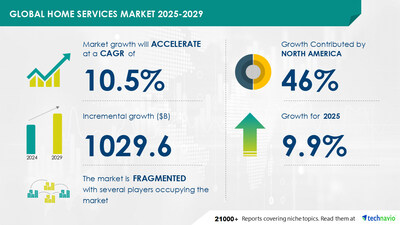
The global home services market is poised for significant growth, with projections indicating an increase of USD 1.03 trillion from 2025 to 2029. This forecasted expansion is attributed to increasing urbanization and the transformative impact of AI on market trends, according to a recent report by Technavio.

Decoding the U.S. Housing Crisis: A Study of Historic Policy Missteps and Demographic Shift

In a revealing study by USC, the roots of the current housing crisis in the United States are traced back to policy missteps and demographic changes that have been unfolding since the early 2000s. The study highlights how these factors have left millennials and people of color disproportionately affected.

Best Real Estate Crowdfunding Platforms for February 2025: Investopedia’s Top Picks

Fundrise stands out for offering investors a chance to diversify their portfolios with real estate exposure through proprietary funds. With a minimum investment as low as $10, it opens doors to beginners and seasoned investors alike.

Top Real Estate Investment Apps of 2025: A Guide for First-Time and Experienced Investors

Business Insider has reviewed a range of platforms available in 2025, focusing on key factors like fees, accessibility for accredited vs. non-accredited investors, and the types of real estate investments offered.