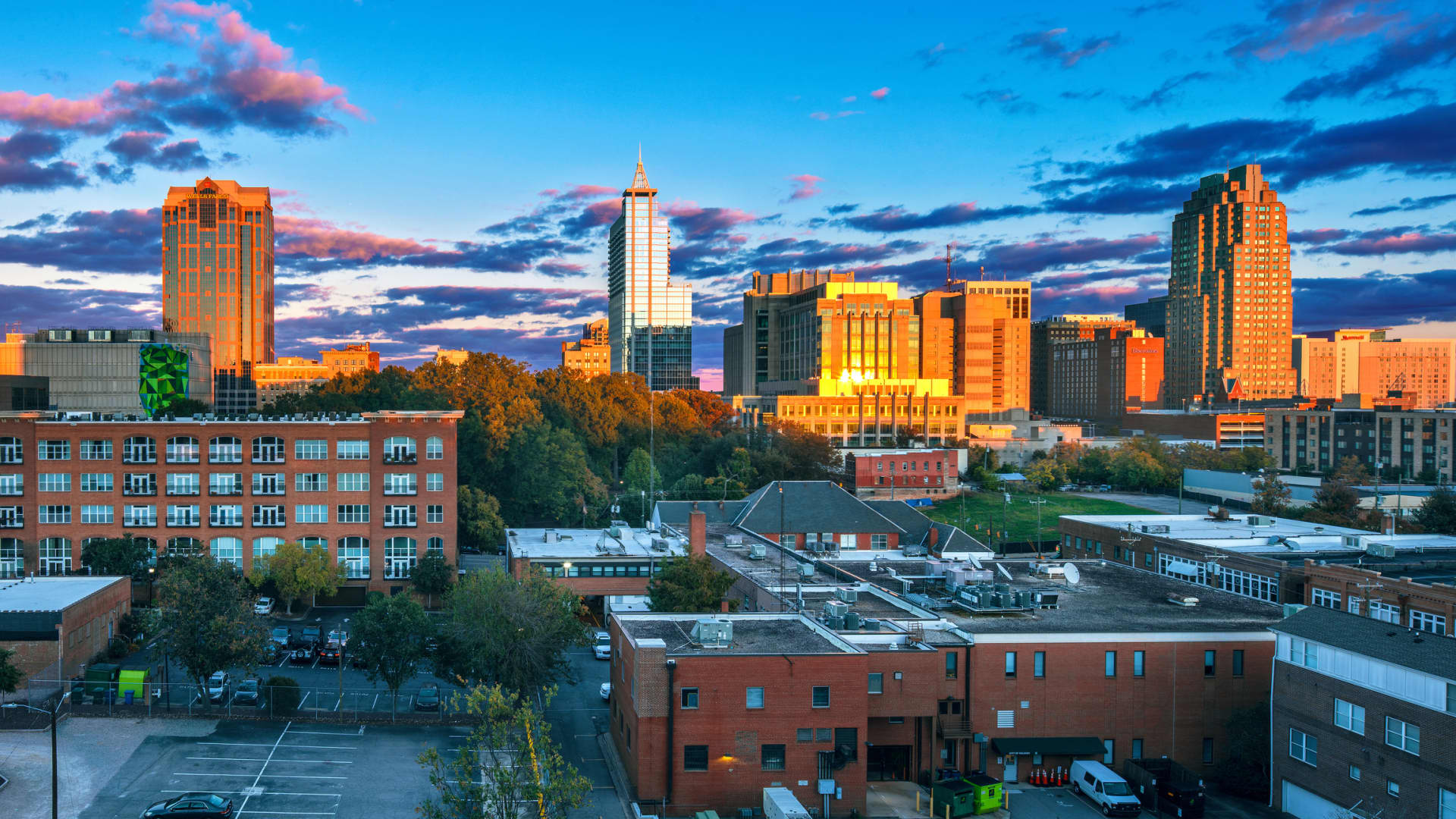
The Shifting Landscape of Commercial Real Estate: A Glimpse into 2030

As we peer into the future of commercial real estate (CRE), the horizon is painted with both challenges and opportunities. The original article by Netguru explores the anticipated transformation of the CRE market by 2030, driven by evolving work models, technological advancements, and sustainability imperatives.
Hybrid Work and Office Space Dynamics
The COVID-19 pandemic has indelibly altered work patterns, with many companies adopting a hybrid model that reduces the demand for traditional office space. According to Statista, the CRE market is projected to grow at a CAGR of 2.96% from 2024 to 2028, reaching $133.5 trillion. However, a sobering prediction by Fortune magazine highlights $800 billion worth of empty office space in major cities.
Economic Uncertainty and Interest Rates
The CRE market is grappling with economic uncertainty, exacerbated by rising interest rates and inflation. In 2023, property values plummeted by $590 billion, with another $480 billion loss anticipated in 2024, as reported by Fortune. Reports from EY and CBRE attribute these challenges primarily to tighter regulations and stricter credit standards.
Proptech: The Game Changer
In this evolving landscape, proptech emerges as a beacon of hope, promising to streamline CRE operations. From IoT devices to AI-powered platforms, proptech is set to revolutionize the industry by automating mundane tasks and optimizing resource allocation. GenAI applications like property description generators and chatbots are already making waves.
Vacancy Rates and the Hybrid Work Model
The hybrid work model’s persistence means that office vacancy rates will remain elevated. According to McKinsey, office attendance is only at 30% of pre-pandemic levels, and demand in cities like New York and San Francisco will stay subdued. However, the demand for high-quality office spaces could still thrive, as noted by Tony Scacco of Riverside Investment & Development.
The Rise of Data Centers
While office demand wanes, the need for data centers is set to soar. AI’s impact on industries necessitates increased computing power, driving demand for data center space. A JLL report from Q1 2023 highlights $32 billion in AI-related investments, underscoring the potential for CRE to recoup losses.
Sustainability and ESG Initiatives
Sustainability is no longer optional in CRE. As energy prices rise, property owners must prioritize eco-friendly practices to cut costs and comply with regulations. A Deloitte study warns that 60% of businesses lack the infrastructure to meet ESG standards, posing a significant challenge.

Conclusion

The CRE market of 2030 will be shaped by hybrid work, technological innovation, and sustainability demands. As we navigate this new terrain, the ability to adapt and embrace change will be crucial for success.


More Articles

Getting licensed or staying ahead in your career can be a journey—but it doesn’t have to be overwhelming. Grab your favorite coffee or tea, take a moment to relax, and browse through our articles. Whether you’re just starting out or renewing your expertise, we’ve got tips, insights, and advice to keep you moving forward. Here’s to your success—one sip and one step at a time!

Illinois Launches 2026 With 200+ New Laws Reshaping Work, Healthcare, and Education

Illinois kicked off the new year with more than 200 laws taking effect, impacting professionals across healthcare, insurance, real estate, education, and other regulated industries. From major healthcare coverage expansions to new AI hiring limits, enhanced worker protections, school safety reforms, and upgraded public‑safety standards, nearly every sector will see meaningful changes. As compliance expectations grow, institutions like Cameron Academy help professionals stay prepared and career‑ready in an evolving regulatory landscape.

Why Distressed Properties Could Become the Top Commercial Real Estate Opportunity of 2026

As commercial real estate moves beyond two turbulent years, 2026 is emerging as a year of growth for professionals who know where to look. According to First American economist Xander Snyder, the biggest wins may come not from booming sectors but from distressed properties—especially those with short‑term issues that can recover with creative financing, recapitalization, or strategic repositioning. Multifamily distress, selective office restructuring, and the rise of non‑QM lending are setting the stage for brokers, investors, and new licensees to capitalize on flexible deal‑making and evolving market conditions.

2026 Becomes America’s Housing Turning Point

Housing is taking over the national spotlight in 2026, with federal leaders, big‑city mayors, and market professionals all zeroing in on affordability, supply, and sweeping policy changes. From President Trump’s promised reform agenda to looming Section 8 funding risks and aggressive city‑level zoning overhauls, the year is shaping up to be one of the most consequential periods for real estate and related licensed professions. For agents, mortgage brokers, insurance specialists, and anyone tied to the housing ecosystem, rapid shifts in policy and market conditions make 2026 a year where preparation, education, and adaptability will be essential.

When a Familiar Voice Becomes a Perfect Fake: AI Fraud Strikes Real Estate Finance

A lender wires $4.2 million after receiving what sounded like a routine call from a borrower’s attorney—same voice, same tone, same mannerisms. By morning, the truth emerges: the email was hacked, the phone call was an AI‑generated voice clone, and the money is gone. As scammers use AI to mimic voices, emails, and documents with startling accuracy, real estate finance has become a prime target. The industry’s growing reliance on AI brings efficiency, but also dangerous new vulnerabilities, pushing regulators, insurers, and professionals to rethink verification, security, and trust itself.

Americans Are Moving Differently — And It’s Reshaping Commercial Real Estate

A new wave of migration is changing the shape of commercial real estate as Americans trade costly metros for more affordable, lifestyle-friendly regions. Smaller Southern and mid‑Atlantic markets are gaining momentum, while pandemic boom states like Florida, Texas, and Arizona are now leveling off. These shifts are influencing demand for housing, retail, office parks, warehouses, and even self‑storage, signaling both fresh opportunities and heightened caution for investors and real estate professionals.

Florida May Slash or Eliminate Property Taxes in 2026, Sparking Hope and Alarm Across the State

Florida is gearing up for a potential overhaul of its property tax system, with lawmakers pushing proposals that could dramatically reduce or even eliminate property taxes by 2026. Homeowners facing rising bills welcome the idea, but city and county leaders warn it could cripple essential services like police, fire response, and local infrastructure. As political tensions escalate — including accusations of overspending and sharp pushback from local officials — real estate professionals should prepare for major market impacts if reforms move forward.