The Shifting Landscape of Commercial Real Estate in 2025
The commercial real estate sector is bracing for a tumultuous year ahead, as it navigates the unpredictable waters of economic uncertainty and fluctuating interest rates. Recent insights from Deloitte shed light on the challenges and opportunities facing the industry in 2025.
As noted in the Deloitte article, the sector is grappling with high interest rates, a situation compounded by recent decisions from major financial institutions. The European Central Bank’s rate cut, as reported by Daniel Cunningham, was met with cautious optimism, signaling potential relief for investors. Similarly, the Bank of England’s first rate cut since 2020, covered by Eshe Nelson, marks a pivotal shift in monetary policy.
Global Economic Forecasts and Their Implications
The global economic outlook remains a critical focus, with reports like those from Ira Kalish providing a comprehensive view of potential market trajectories. In the United States, the Federal Reserve’s stance, as detailed by Jeanna Smialek in The New York Times, suggests a possible rate cut in September if inflation trends remain favorable.
Regional Outlooks: Europe and Asia-Pacific
In Europe, the real estate sector faces unique challenges, particularly with the looming maturity wall. As highlighted by Matthew Toma, the European real estate maturity wall poses a significant hurdle, though strategies involving legal finance offer potential solutions.
Meanwhile, the Asia-Pacific region contends with a debt funding gap, as noted by CBRE. This gap underscores the need for innovative financing solutions to sustain growth in the region’s real estate markets.
Looking Ahead
The commercial real estate industry must remain agile, adapting to the evolving economic landscape and leveraging opportunities presented by shifts in monetary policy. As the sector braces for what lies ahead, insights from industry leaders and economic forecasts will be instrumental in guiding strategic decisions.
More Articles
Getting licensed or staying ahead in your career can be a journey—but it doesn’t have to be overwhelming. Grab your favorite coffee or tea, take a moment to relax, and browse through our articles. Whether you’re just starting out or renewing your expertise, we’ve got tips, insights, and advice to keep you moving forward. Here’s to your success—one sip and one step at a time!
In an unexpected twist of economic fate, the construction industry finds itself grappling with a steep ascent in building material costs, a trend that began its climb at the dawn of 2024.
In the ever-evolving landscape of commercial real estate, a new challenge has emerged, straining the resilience of landlords and developers alike. The soaring costs of insurance, exacerbated by climate-induced natural disasters, are creating a formidable obstacle for property owners. Particularly affected are coastal cities and towns, where the risk of storms and floods is high.
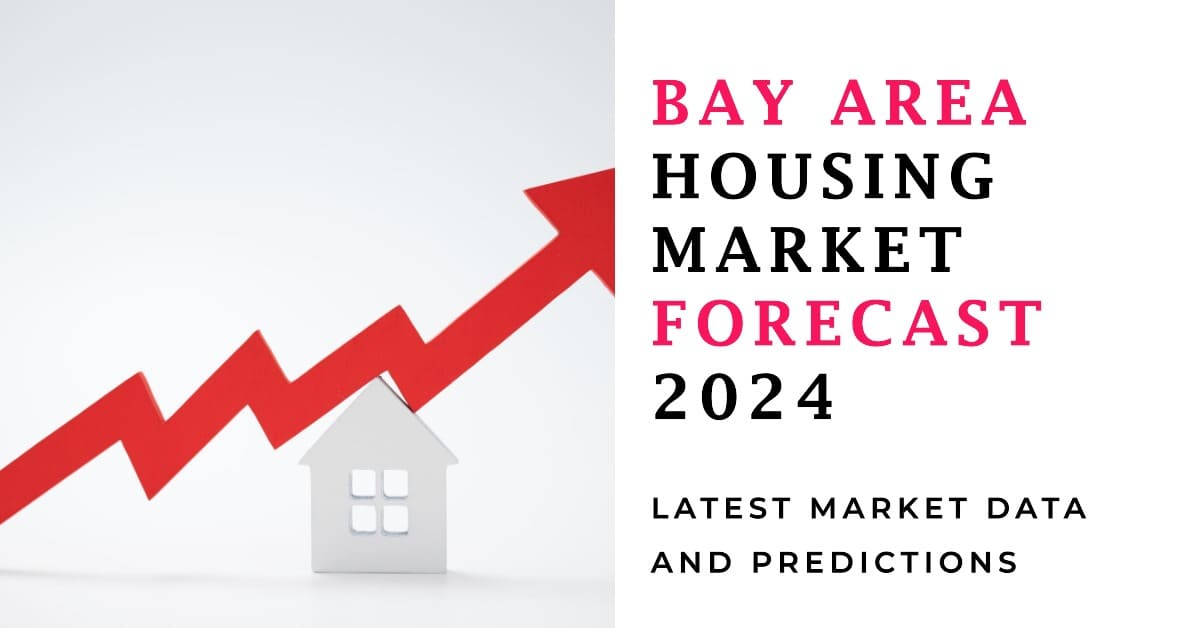
The Bay Area housing market, a perpetual reflection of its economic vigor and cultural appeal, is navigating a complex terrain as it marches into 2024.
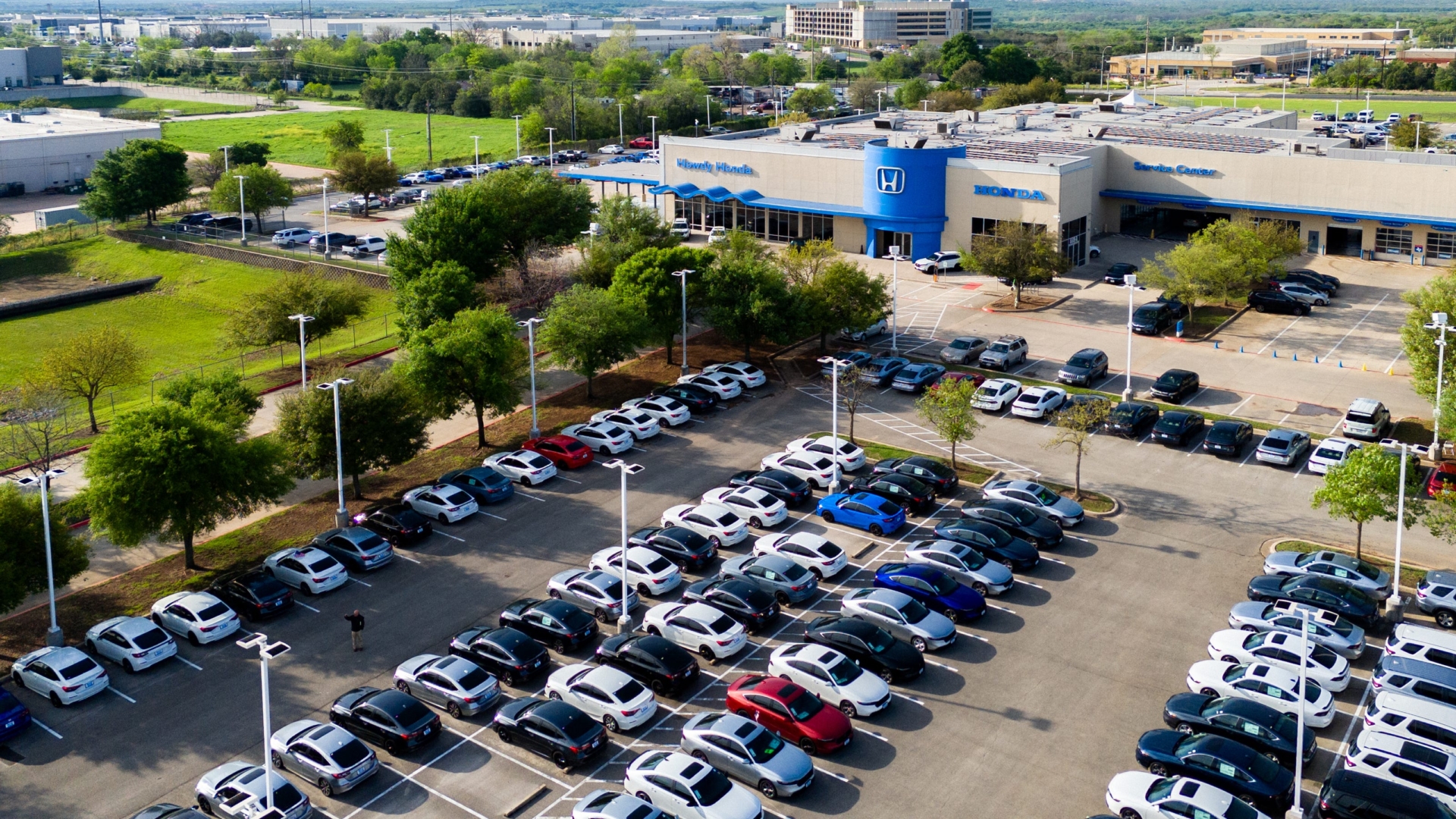
In a significant cyberattack that has disrupted operations across the United States, CDK Global, a leading provider of cloud-based software to automotive dealerships, was forced to shut down most of its systems. This incident has highlighted the vulnerabilities and rising trend of cyberattacks targeting the auto industry.
The commercial real estate landscape has experienced seismic shifts, particularly with properties purchased prior to the Covid-19 pandemic. Many of these assets now hold diminished value compared to the loans used to acquire them.