In a revealing analysis by Exploding Topics, the harsh reality of startup ventures is laid bare with a staggering 90% failure rate, a figure that casts a long shadow over the entrepreneurial landscape. The report, authored by Josh Howarth, delves into the intricacies of why so many fledgling businesses struggle to survive, highlighting that a significant 10% of startups don’t make it past their first year.

Industry-Specific Challenges

The study notes that certain industries, such as technology, face even higher hurdles, with tech startups experiencing a particularly high failure rate. The persistence of these trends into 2025 suggests that the challenges are deeply ingrained and not likely to dissipate anytime soon.

Factors Leading to Failure

Among the myriad reasons startups falter, a lack of product-market fit and inadequate marketing strategies are predominant. The report highlights that 34% of startups fail due to poor alignment with market needs, while 22% suffer from ineffective marketing. These findings underscore the critical importance of thorough market research and strategic marketing planning.

Financial Hurdles

The financial burden of launching a startup is another significant barrier. With an average startup cost of $3,000, many entrepreneurs find themselves underestimating the capital required to sustain their ventures. The report also notes that payroll constitutes one of the highest expenses for new businesses, emphasizing the need for careful financial planning.

The Future of Startups

Despite these daunting statistics, the report suggests that with proper risk management and strategic planning, startups can still carve out a path to success. Entrepreneurs are encouraged to leverage these insights to avoid common pitfalls and increase their chances of becoming one of the 10% that thrive.

For a deeper dive into the data and trends shaping the future of startups, visit the full article on Exploding Topics.

More Articles

Getting licensed or staying ahead in your career can be a journey—but it doesn’t have to be overwhelming. Grab your favorite coffee or tea, take a moment to relax, and browse through our articles. Whether you’re just starting out or renewing your expertise, we’ve got tips, insights, and advice to keep you moving forward. Here’s to your success—one sip and one step at a time!

Artificial Intelligence in Diagnostics: A Revolution in Healthcare

The global market for artificial intelligence in diagnostics is poised for remarkable growth, with projections estimating it to reach USD 7.3 billion by 2032.

By |December 10, 2024|Categories: Article, Artificial Intelligence, Healthcare|Tags: , |0 Comments

Revolutionizing Medical Education with Extended Reality

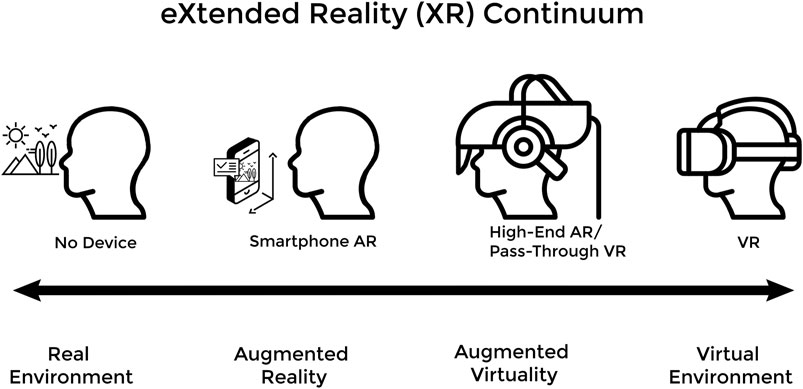
In the ever-evolving landscape of medical education, a new player has emerged, promising to revolutionize the way future doctors are trained. The integration of eXtended Reality (XR) technologies is reshaping the educational landscape by addressing the limitations of traditional methods.

Genetic Testing: A New Dawn in Healthcare

Genetic testing represents more than just a scientific advancement; it signifies a fundamental shift in how we approach health and wellness.

Sustainable Architecture: Blending Innovation with Ecological Responsibility

The journey toward sustainable architecture is ongoing, with each project serving as a beacon of what's achievable when creativity meets ecological awareness.

By |December 9, 2024|Categories: Architecture, Article, Sustainability|Tags: |0 Comments

AI in Clinical and Molecular Diagnostics: A Market on the Rise

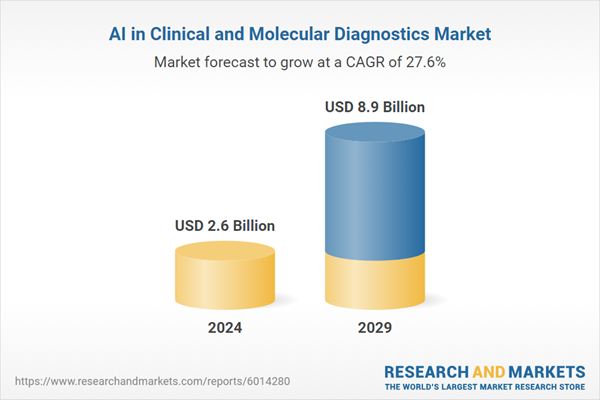
AI in Clinical and Molecular Diagnostics Market is set to experience remarkable growth, projected to surge from USD 2.6 billion in 2024 to USD 8.9 billion by 2029. This growth is driven by the integration of advanced AI technologies such as machine learning and deep learning into traditional diagnostic methodologies like imaging, genomics, and laboratory testing.

AI: A Revolution in Healthcare’s Future

AI is not a distant dream but a present reality, already integrated into everyday life through virtual assistants like Alexa and Siri. AI shows promise in enhancing medical accuracy, such as in predicting mesothelioma survival and improving colonoscopy accuracy, it is not intended to replace healthcare professionals.