The Strongest October Housing Market in 3 Years: What Zillow’s New Report Means for Today’s Pros

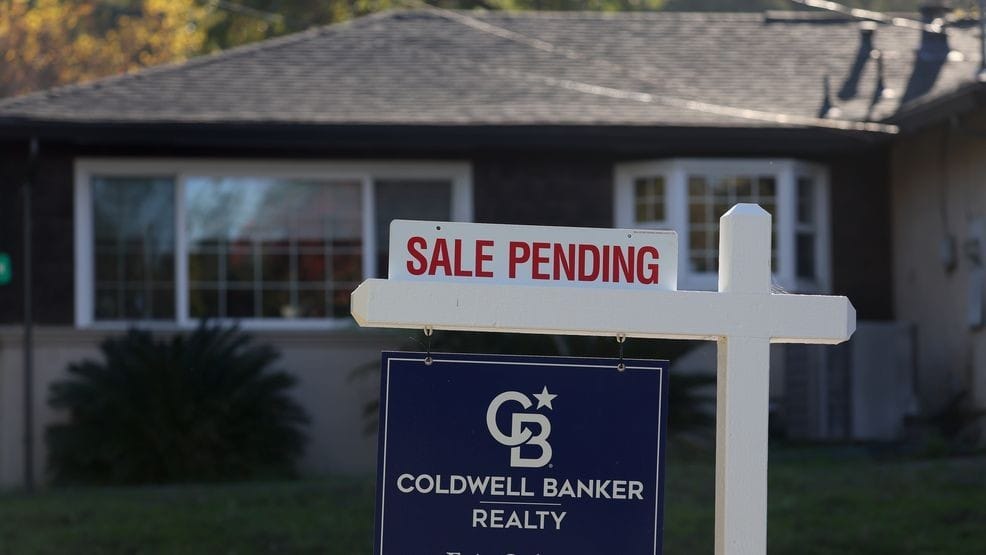
Home with sale pending sign

According to a fresh report from The National Desk, the U.S. just experienced its strongest October housing market in three years. Inventory is rising, affordability is improving, and new listings and pending sales are both up 5% year-over-year.

For real estate professionals, this shift may feel like a long-awaited breath of fresh air after years of tight supply and elevated rates. And if you’re a Florida agent—or working toward becoming one—this could be the early sign that 2025 is preparing for real momentum.

A Housing Market Turning a Corner

Zillow’s report shows a market finally regaining balance nationwide. In October, three additional major metros officially transitioned into buyer-friendly territory.

19 major markets now favor buyers — nine more than last year.
Source: Zillow

Bankrate analyst Jeff Ostrowski described the data as “promising,” though he noted the market hasn’t fully recovered just yet.

Existing home sales remain around an annual pace of 4 million—well below the “healthy” 6 million benchmark.

The Lock-In Effect Is Finally Loosening

For years, sellers with ultra-low mortgage rates sat tight, unwilling to trade a 3% rate for a 6%+ alternative. But the tide is finally shifting. Mortgage rates have declined for six consecutive weeks:

30-year fixed (mid-October): 6.27%
Last year: 6.44%
Two years ago: 7.63%
Source: Freddie Mac

Zillow also reports that home values have essentially leveled off—up just 0.1% year-over-year—which is stabilizing for both buyers and sellers.

Inventory Is Finally Catching Up

The inventory shortfall that defined the post-pandemic market has dramatically improved.

Inventory shortfall vs. pre-pandemic: now 17%
Down from 51% in February 2022

Total housing inventory is up nearly 13% year-over-year. For agents, that means more listings, more activity, and more opportunities to expand business.

Affordability Hits a Three-Year High

Zillow noted that affordability—still a challenge—has improved to levels unseen since 2022.

Typical mortgage burden: 32.9% of median household income
Best since August 2022

Although still beyond the ideal 30%, analysts say lower rates and softer pricing may “grease the wheels of the market.”

What This Means for First-Time Buyers

The average first-time buyer age has hit 40 for the first time—up sharply from 33 just five years ago, according to NAR.

As Jessica Lautz of NAR told The National Desk, this delay is impacting long-term wealth-building.

“It means 10 years of lost housing wealth gains for first-time homebuyers… and slower wealth-building for generations to come.”

The 2026 Outlook: A Big Upswing?

NAR predicts a 14% surge in home sales in 2026, alongside a 4% rise in prices—suggesting that today’s market shifts may be the first signals of a stronger cycle ahead.

What This Means for Real Estate Professionals

Going into 2025, agents will find a market that rewards preparation. More inventory, more affordability, and more buyers returning all point to renewed activity for those ready to capitalize.

If you’re renewing your license or entering the field for the first time, now is the moment to elevate your skill set. Florida real estate schools like Cameron Academy continue helping thousands of students stay ahead with modern, market-ready education.

Because when the market heats back up… the professionals who learn today will lead tomorrow.

More Articles

Getting licensed or staying ahead in your career can be a journey—but it doesn’t have to be overwhelming. Grab your favorite coffee or tea, take a moment to relax, and browse through our articles. Whether you’re just starting out or renewing your expertise, we’ve got tips, insights, and advice to keep you moving forward. Here’s to your success—one sip and one step at a time!

How AI Is Forcing Real Estate to Finally Clean Up Its Data Chaos

Artificial intelligence is speeding ahead, but real estate is discovering a hard truth: AI can’t work well on messy, inconsistent, and siloed data. Unlike finance or e‑commerce, the industry has never agreed on shared definitions or standardized frameworks, making it difficult for AI tools to interpret information at scale. Now, leaders across real estate are realizing that the real breakthrough won’t come from smarter algorithms—it will come from finally unifying the industry’s fragmented data so AI can deliver its full value.

The Waldorf Astoria Sale Could Signal a Commercial Real Estate Comeback

Manhattan’s iconic Waldorf Astoria is hitting the market again—and its billion‑dollar price tag may reveal whether commercial real estate is finally recovering. After years of inflation, shutdowns, and stalled investment, new forecasts from major firms show growing optimism, making this sale a critical test for the 2026 market.

Florida Escrow Payments Are Surging as Insurance Costs Climb

Homeowners across Florida are facing sharp increases in their escrow payments as insurance premiums continue to rise. With insurers leaving the state, rates climbing, and replacement policies costing far more, many residents are experiencing sudden spikes in their monthly mortgage bills. These escalating insurance-driven escrow costs are reshaping affordability, influencing buyer qualifications, and redefining financial stability for Floridians and the broader real estate market.

The MLS Is Thriving — So Why Are Some Trying to Undermine It?

The modern MLS marketplace is one of real estate’s greatest success stories: transparent, efficient, and designed to help buyers and sellers win. But its very effectiveness has sparked a new risk — professionals looking to “stand out” by limiting exposure and restricting information. Research shows that full MLS visibility can boost a seller’s price by $50,000 to $75,000, yet off‑market tactics threaten to chip away at the system that delivers those gains. The MLS doesn’t need replacing; it needs thoughtful upgrades and well‑trained professionals who know how to protect and leverage its power.

Florida Escrow Payments Surge as Insurance Costs Upend Homeownership Affordability

Florida homeowners are being hit with a new kind of sticker shock as rising insurance premiums push escrow payments sharply higher, adding hundreds of dollars to monthly mortgage bills. The surge is reshaping budgets, impacting buyer qualification, and redefining affordability across the state. With insurers pulling back and premiums climbing faster than wages, both current owners and hopeful buyers must now navigate a market where insurance risk—not just home price—plays a major role in the true cost of living in the Sunshine State.

Florida’s Mobile Home Boom: What Insurers Want You to Know in 2026

Florida’s mobile and manufactured homes are surging in popularity, but insuring them requires specialized HO-7 coverage designed for structures built off-site and more vulnerable to wind and weather. With rising premiums, unique risks, and new 2026 market shifts, homeowners and industry professionals need to understand what these policies cover, what they don’t, which insurers are leading the pack, and how to save without sacrificing protection.