The Strongest October Housing Market in 3 Years: What Zillow’s New Report Means for Today’s Pros

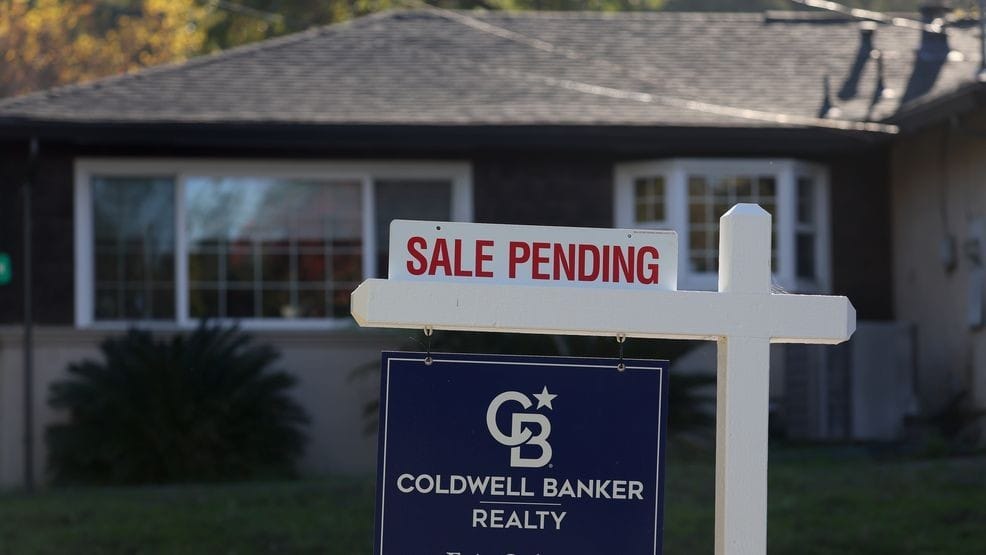
Home with sale pending sign

According to a fresh report from The National Desk, the U.S. just experienced its strongest October housing market in three years. Inventory is rising, affordability is improving, and new listings and pending sales are both up 5% year-over-year.

For real estate professionals, this shift may feel like a long-awaited breath of fresh air after years of tight supply and elevated rates. And if you’re a Florida agent—or working toward becoming one—this could be the early sign that 2025 is preparing for real momentum.

A Housing Market Turning a Corner

Zillow’s report shows a market finally regaining balance nationwide. In October, three additional major metros officially transitioned into buyer-friendly territory.

19 major markets now favor buyers — nine more than last year.
Source: Zillow

Bankrate analyst Jeff Ostrowski described the data as “promising,” though he noted the market hasn’t fully recovered just yet.

Existing home sales remain around an annual pace of 4 million—well below the “healthy” 6 million benchmark.

The Lock-In Effect Is Finally Loosening

For years, sellers with ultra-low mortgage rates sat tight, unwilling to trade a 3% rate for a 6%+ alternative. But the tide is finally shifting. Mortgage rates have declined for six consecutive weeks:

30-year fixed (mid-October): 6.27%
Last year: 6.44%
Two years ago: 7.63%
Source: Freddie Mac

Zillow also reports that home values have essentially leveled off—up just 0.1% year-over-year—which is stabilizing for both buyers and sellers.

Inventory Is Finally Catching Up

The inventory shortfall that defined the post-pandemic market has dramatically improved.

Inventory shortfall vs. pre-pandemic: now 17%
Down from 51% in February 2022

Total housing inventory is up nearly 13% year-over-year. For agents, that means more listings, more activity, and more opportunities to expand business.

Affordability Hits a Three-Year High

Zillow noted that affordability—still a challenge—has improved to levels unseen since 2022.

Typical mortgage burden: 32.9% of median household income
Best since August 2022

Although still beyond the ideal 30%, analysts say lower rates and softer pricing may “grease the wheels of the market.”

What This Means for First-Time Buyers

The average first-time buyer age has hit 40 for the first time—up sharply from 33 just five years ago, according to NAR.

As Jessica Lautz of NAR told The National Desk, this delay is impacting long-term wealth-building.

“It means 10 years of lost housing wealth gains for first-time homebuyers… and slower wealth-building for generations to come.”

The 2026 Outlook: A Big Upswing?

NAR predicts a 14% surge in home sales in 2026, alongside a 4% rise in prices—suggesting that today’s market shifts may be the first signals of a stronger cycle ahead.

What This Means for Real Estate Professionals

Going into 2025, agents will find a market that rewards preparation. More inventory, more affordability, and more buyers returning all point to renewed activity for those ready to capitalize.

If you’re renewing your license or entering the field for the first time, now is the moment to elevate your skill set. Florida real estate schools like Cameron Academy continue helping thousands of students stay ahead with modern, market-ready education.

Because when the market heats back up… the professionals who learn today will lead tomorrow.

More Articles

Getting licensed or staying ahead in your career can be a journey—but it doesn’t have to be overwhelming. Grab your favorite coffee or tea, take a moment to relax, and browse through our articles. Whether you’re just starting out or renewing your expertise, we’ve got tips, insights, and advice to keep you moving forward. Here’s to your success—one sip and one step at a time!

The AI Tipping Point: How Artificial Intelligence Is Rewriting the Real Estate Playbook

Artificial intelligence has shifted from a novelty to a defining force in real estate, transforming everything from listing creation to virtual staging while raising new legal and ethical risks. As AI adoption accelerates, experts warn that the agents who embrace automation and new tools now will gain a major competitive edge, while those who delay could fall behind in a rapidly evolving industry.

Want Job Security in the Age of AI? Get a State License

As AI and automation reshape the workforce, one form of career protection remains as powerful as ever: earning a state license. From real estate to trades to finance, licensed professionals stay in high demand because their work requires proven competence, accountability and human judgment—qualities technology can enhance but never replace. With trade enrollment surging, investor interest growing and licensing on the rise across the country, credentials have become a reliable path to stability, mobility and long-term earning potential.

AI Tools Are Transforming Agent‑Buyer Connections Ahead of 2026

A new wave of AI platforms is redefining how real estate agents identify buyer intent, spark conversations, and nurture relationships. From conversational home search engines to predictive opportunity alerts and relationship‑intelligence systems, these tools are helping agents connect sooner and smarter—reshaping daily workflows as the 2026 market approaches.

Texas Investors Fuel San Francisco’s Real Estate Revival

Texas money is riding hard into San Francisco, snapping up distressed downtown buildings at prices not seen in decades. From Union Square to California Street, major players like Lone Star Funds are betting big on the city’s rebound, signaling that the market may have finally hit bottom and that a new wave of opportunity is taking shape for savvy real estate professionals nationwide.

Holiday Spending Hits $1 Trillion—But CRE Experts Warn It May Be an Illusion

The 2025 holiday season is expected to break the $1 trillion sales mark, but economists say the milestone masks deeper consumer caution, income‑driven spending gaps, and weakening unit sales. Urban Land Magazine’s latest analysis shows how these mixed signals are shaping a selective, uneven landscape for U.S. commercial real estate heading into 2026—where strong locations thrive, weaker assets struggle, and affluent shoppers continue to dictate market performance.

Housing Market Predictions for 2026: Are Home Prices Finally Ready to Cool Off?

As 2025 ends, the housing market is inching toward balance with slower price growth, rising inventory, and steadier mortgage rates. Experts predict modest 1% to 2% home‑price growth in 2026—not a crash, but a calmer, more predictable market shaped by regional differences. With the Fed easing rates and inventory climbing in key cities, 2026 may become the most buyer‑friendly year in recent memory, especially for those prepared to act when the right home appears.